
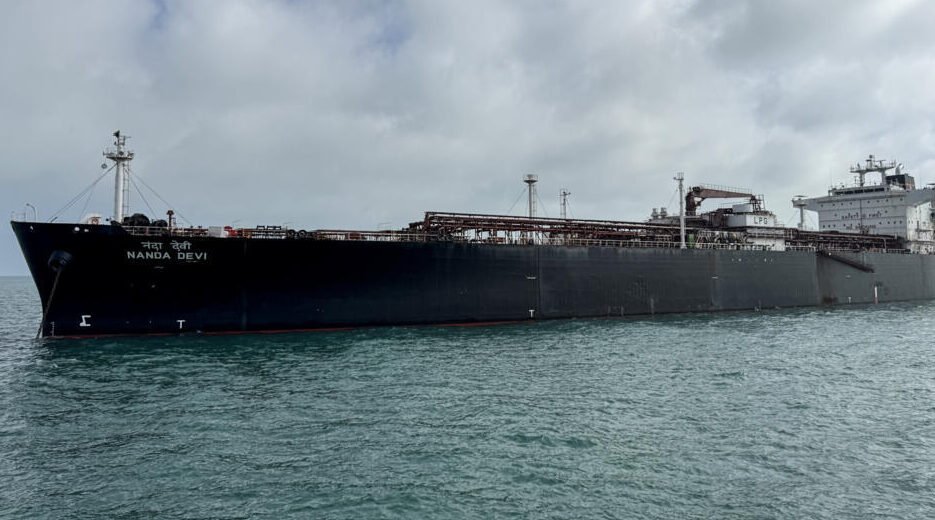
New Delhi: India has received a key liquefied petroleum gas (LPG) shipment after the tanker Nanda Devi docked at Vadinar port in Gujarat, following a transit through the Strait of Hormuz amid rising regional tensions. The development is being closely watched in Pakistan and across South Asia due to its implications for regional energy security and supply routes.
The vessel, carrying around 46,500 metric tonnes of LPG from Qatar, arrived on Tuesday after navigating the strategically sensitive waterway. The shipment offers partial relief to India, which relies heavily on Middle Eastern energy imports, while several vessels remain delayed near the strait.
Claims around transit and payment
Reports circulating on social media suggested that an Indian oil-laden vessel secured safe passage through the Strait of Hormuz after making payment in Chinese yuan, with Iran’s Islamic Revolutionary Guard Corps (IRGC) facilitating transit.
Indian officials have rejected these claims, calling them unverified and misleading. Authorities stated that the Nanda Devi shipment followed standard procedures, with no change in payment mechanisms or special arrangements involving alternative currencies.
Regional implications and supply outlook
The arrival follows another LPG tanker reaching Gujarat earlier, easing immediate supply concerns in India. The country imports a significant share of its LPG from the Middle East, making uninterrupted access through the Strait of Hormuz critical.
Regional observers note that continued disruptions in the strait could affect broader South Asian energy markets, including Pakistan, which also depends on imported fuels and shared maritime routes.
Officials in India say domestic stocks remain sufficient in the short term, while monitoring measures have been intensified to prevent hoarding and ensure distribution.
Also Read: Pakistani oil tanker passes Strait of Hormuz via Iran-approved route amid tensions
The Strait of Hormuz remains a vital global energy corridor, and ongoing tensions continue to pose risks to shipping and supply chains across the region.


 Today's E-Paper