

New Delhi, March 25: India is facing fuel supply pressure after disruptions in the Strait of Hormuz, a key global energy route, amid escalating tensions in the Middle East. The situation has affected oil flows and raised concerns over supply stability in countries dependent on Gulf energy imports.
Officials in India have said the country maintains strategic reserves that can meet demand for a limited period, while urging the public to avoid panic buying. Reports of long queues at fuel stations have emerged in several cities, reflecting public concern over potential shortages and rising prices.
Supply disruptions and global impact
The Strait of Hormuz is one of the world’s most critical oil transit chokepoints, carrying a significant share of global crude shipments. Recent regional escalation, including military developments involving Iran, the United States and Israel, has disrupted energy flows and pushed global oil prices upward.
Saudi crown prince urged Trump to continue Iran strikes, New York Times reports
Analysts note that any sustained disruption in the strait can have wide-ranging consequences for global energy markets, particularly for countries in Asia that rely heavily on imported oil and gas.
Impact on India’s energy supply
India, one of the world’s largest energy consumers, imports a substantial portion of its oil and liquefied petroleum gas (LPG), much of which passes through the Strait of Hormuz. Supply uncertainty has increased pressure on domestic markets, with fuel and transportation costs expected to rise if disruptions continue.
In major cities including Delhi, Mumbai and parts of southern India, people have been seen gathering at petrol stations, amid concerns over availability and pricing.
Government response
The Indian government has said that existing reserves are sufficient for the short term and has appealed to citizens to avoid hoarding fuel. Authorities are also monitoring the situation and exploring measures to manage supply and demand.
The situation remains dependent on developments in the Middle East, with energy markets closely watching whether normal shipping activity resumes through the Strait of Hormuz.




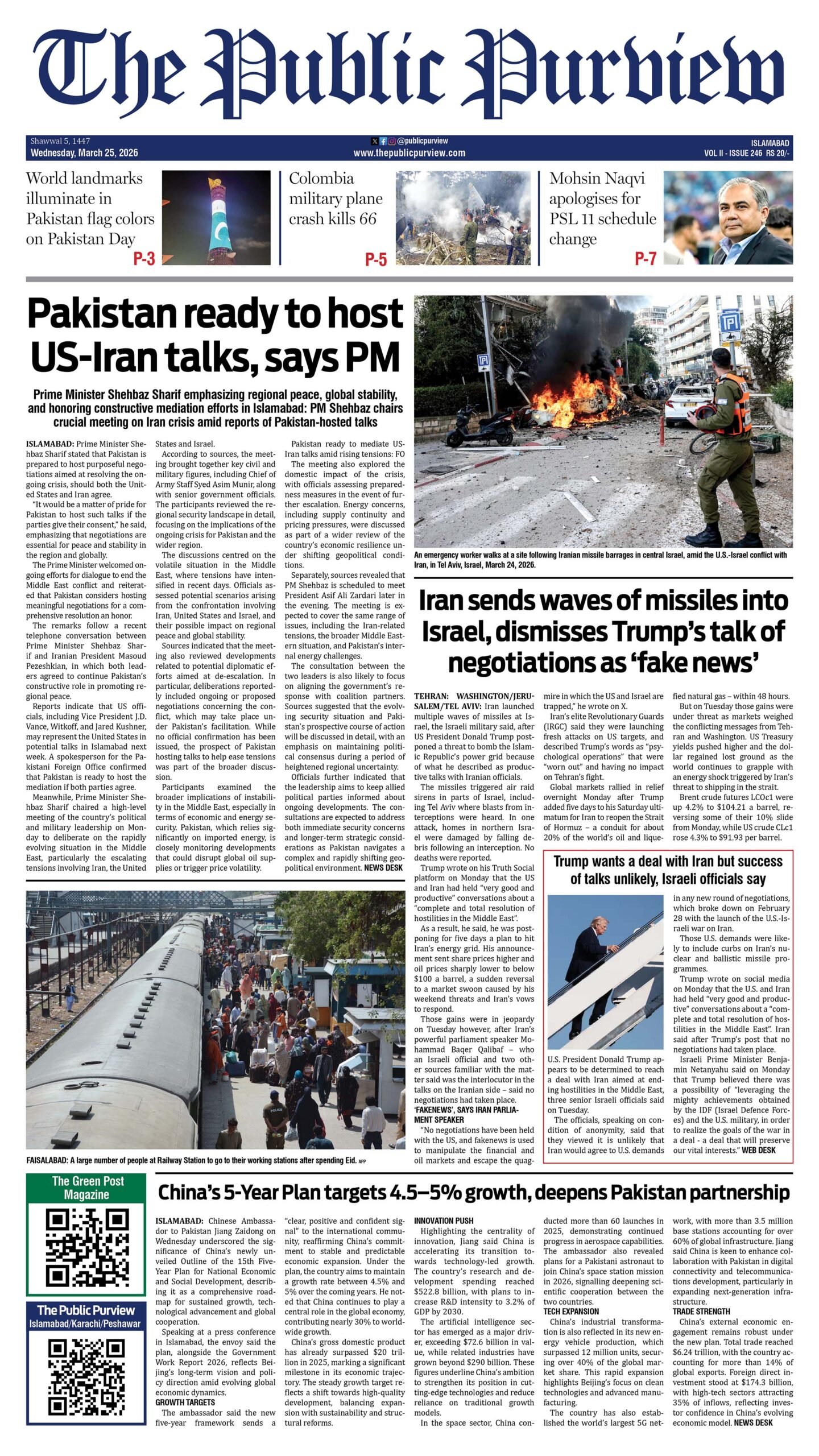 Today's E-Paper