
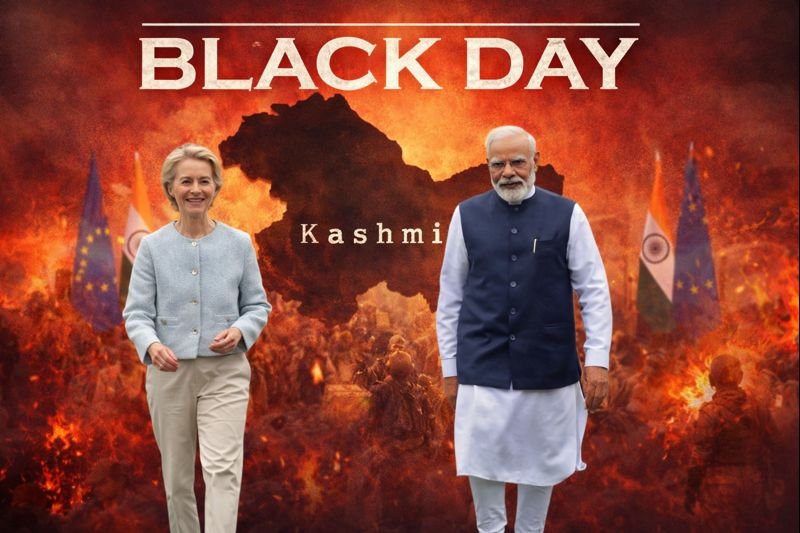
NEW DELHI/BRUSSELS: India and the European Union are close to finalising a long-pending free trade agreement (FTA) that would significantly reduce import tariffs on European luxury cars, marking a major breakthrough in negotiations that have stretched for nearly two decades.
Under the proposed agreement, India is expected to cut import duties on a quota of European luxury vehicles from around 110 percent to 40 percent, with phased reductions to about 10 percent over time. Electric vehicles would remain protected for an initial period, reflecting New Delhi’s efforts to shield domestic manufacturers while gradually opening the market.
If implemented, the tariff reductions could lower prices of high-end European models by an estimated 20–30 percent, expanding consumer choice in India’s premium automobile segment. However, domestic automakers have raised concerns about increased competition and its potential impact on local industry.
Trade momentum amid global and regional developments
The negotiations have gained momentum amid shifting global trade dynamics and efforts by both sides to diversify economic partnerships. India–EU bilateral trade currently exceeds $130 billion annually, and the agreement is expected to deepen cooperation across goods, services, and investment.
European Commission President Ursula von der Leyen, who is in India as a high-profile guest, has described the proposed deal as a step toward strengthening the strategic partnership between India and the European Union.
Kashmir Black Day observed alongside diplomatic engagements
The advancement of the trade deal coincides with Kashmir Black Day, observed annually on January 26 by Kashmiris on both sides of the Line of Control and within the diaspora. The day is marked to protest India’s policies in Jammu and Kashmir and to draw international attention to the long-standing dispute.
The parallel timing highlights the contrast between India’s expanding economic diplomacy and the unresolved political and human rights issues associated with the Kashmir region, which continue to feature prominently in regional and international discourse.
While the India–EU free trade agreement signals deepening economic engagement, analysts note that broader geopolitical realities in South Asia remain an important backdrop to India’s growing global partnerships.



 Today's E-Paper