
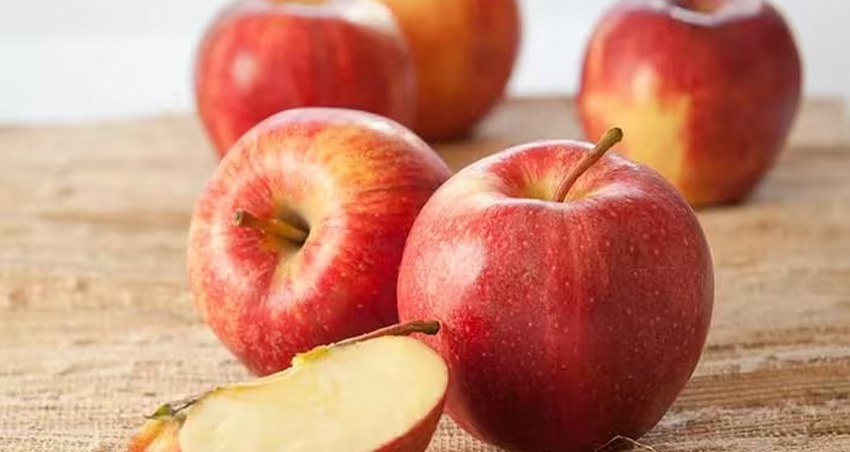
Apples are widely recommended by health experts as part of a healthy daily diet, but despite their nutritional value and numerous health benefits, they can spoil relatively quickly if not stored properly.
According to experts cited in the report, apples can remain fresh for about one week at room temperature and for up to six weeks when properly refrigerated. However, their shelf life largely depends on storage conditions and the way they are handled.
When Should You Throw Away an Apple?
Spoiled apples should be discarded because mouldy apples can produce harmful and potentially toxic substances, including patulin, which experts say may cause illness.
Apples should be thrown away if they develop mould, soft spots, leaking liquid, or become excessively soft and mushy.
How Are Apples Stored Before Reaching Supermarkets?
The report notes that apples are often stored for several months before reaching supermarkets in controlled environments where temperature, humidity and gas levels are carefully regulated.
Distributors may also use 1-methylcyclopropene (1-MCP) to slow the ripening process. The gas works by blocking ethylene, a naturally occurring plant hormone that plays an important role in fruit ripening. Once apples are removed from controlled storage, they begin to ripen again.
How Long Do Apples Stay Fresh?
When stored properly, apples can remain fresh in the refrigerator for up to six weeks. At home, temperature is one of the most important factors affecting their freshness. Washing or cutting apples can also shorten their storage life.
According to the supplied report, the approximate storage periods are:
- Room temperature: 5–7 days
- Pantry or cool cupboard: Up to 3 weeks
- Refrigerator: 4–6 weeks
- Cut apples in the refrigerator: 3–5 days
- Cut apples in the freezer: Up to 8 months
- Applesauce in the refrigerator: 7–10 days
- Applesauce in the freezer: Up to 2 months
- Cooked apples or apple pie in the refrigerator: 3–5 days
Regardless of how apples are stored, they should be discarded if they show signs of mould, develop soft spots, begin leaking liquid, or become excessively soft and rotten.