
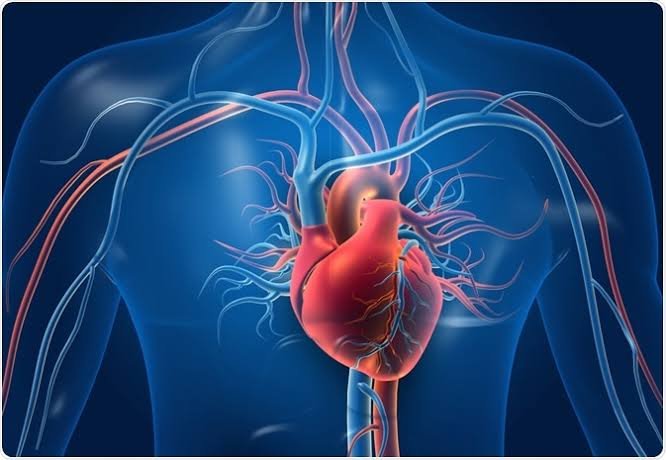
Medical experts are increasingly focusing on identifying heart failure before symptoms develop, offering new opportunities for early intervention and prevention.
According to Medical Xpress, heart failure is a condition in which the heart cannot pump enough blood to meet the body’s needs, eventually leading to symptoms and other health complications.
Dr. Jose Nativi, a cardiologist and transplant specialist at Mayo Clinic Florida, says the approach to diagnosing heart failure is changing. Previously, the condition was generally identified after symptoms appeared. However, doctors are now working to detect early warning signs before patients become symptomatic.
Four Stages Of Heart Failure
Experts describe the progression of heart failure through four stages, highlighting the importance of early detection.
Stage A: Risk Factors
At this stage, individuals have risk factors but no structural changes in the heart. These include uncontrolled high blood pressure, diabetes, obesity, high cholesterol and smoking.
Identifying and treating these conditions early can help reduce the risk of developing heart failure.
Stage B: Early Heart Changes
Changes begin to occur in the heart muscle, but patients do not experience noticeable symptoms.
Mayo Clinic is using artificial intelligence to help identify this stage by analysing electrocardiogram (ECG) results. ECG is a quick and relatively inexpensive test that records the heart’s electrical activity.
Stage C: Symptoms Develop
At this stage, patients begin experiencing noticeable symptoms and often seek medical attention. The condition is commonly associated with congestive heart failure.
Common symptoms include shortness of breath, fatigue and swelling in the body.
Stage D: Advanced Heart Failure
This is the most severe stage, when patients may require advanced medical treatment.
Depending on their condition, they may be assessed for open-heart surgery, heart transplantation or the implantation of a mechanical heart pump.
Early Detection Could Help Prevent Progression
Experts emphasise that identifying risk factors and detecting early heart changes before symptoms emerge could help prevent or delay the progression of heart failure.
This article is intended for general information. Readers should consult a qualified healthcare professional for medical advice.