
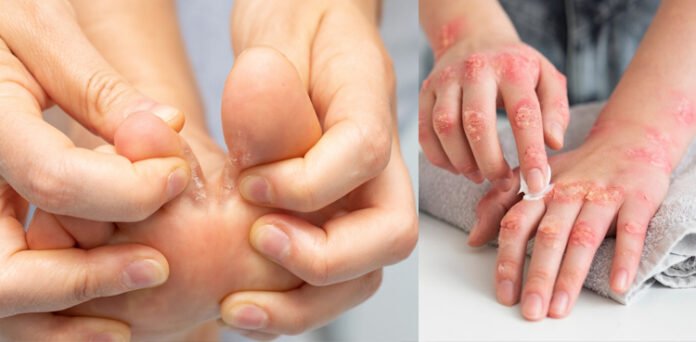
Health experts say fungal infections between the toes become significantly more common during the monsoon season as increased humidity and sweating create ideal conditions for fungal growth. They stress that prolonged moisture on the skin—not rainwater itself—is the main reason infections become more frequent.
The condition is especially common in people who wear wet shoes or socks for long periods or whose skin remains damp after sweating or getting caught in the rain.
Moisture creates the ideal environment for fungi
According to dermatologists, fungal infections thrive in warm, moist areas of the body where sweat accumulates.
Dr. Apoorva Sharma, a dermatologist, said people with diabetes, obesity, weakened immune systems or excessive sweating are at a higher risk of developing fungal infections. In these individuals, infections may take longer to heal and are more likely to recur.
Commonly affected areas include the toes, feet, groin, underarms, neck, waist, beneath the breasts and scalp.
Common signs of fungal infection
Health experts say early symptoms may include:
- Persistent itching
- Redness of the skin
- Burning sensation
- Scaly or peeling skin
- Ring-shaped rashes or patches
Prompt medical evaluation can help prevent the infection from spreading or becoming more difficult to treat.
Wet clothing and footwear increase the risk
Doctors advise avoiding wet clothes, damp shoes and sweaty socks during the monsoon, as these conditions encourage fungal growth.
They also note that increased humidity can leave the scalp damp for longer periods, allowing fungi and bacteria to multiply. This may contribute to dandruff, itching, excess oil production and, in some cases, hair loss.
Experts recommend washing and thoroughly drying hair after getting caught in the rain instead of tying it up while still wet.
Avoid self-medication
Dermatologists warn against using over-the-counter creams without medical advice.
Some creams contain steroids, which may temporarily reduce itching while allowing the fungal infection to worsen beneath the surface. Stopping treatment as soon as symptoms improve is another common mistake that can lead to recurrence.
Experts advise completing the full course of treatment prescribed by a healthcare professional.
Tips to prevent fungal infections during the monsoon
Health experts recommend the following preventive measures:
- Keep your skin and scalp clean and dry.
- Change clothes promptly after sweating.
- Avoid wearing wet shoes and socks for extended periods.
- Wear loose-fitting, breathable cotton clothing.
- Eat a balanced diet to support the immune system.
- Use skin or hair medications only on the advice of a qualified healthcare provider.
According to experts, early diagnosis, proper treatment and good hygiene practices can significantly reduce both the risk of fungal infections and the likelihood of recurrence.
Also Read :Why Taking Time for Yourself Matters, According to Health Experts