
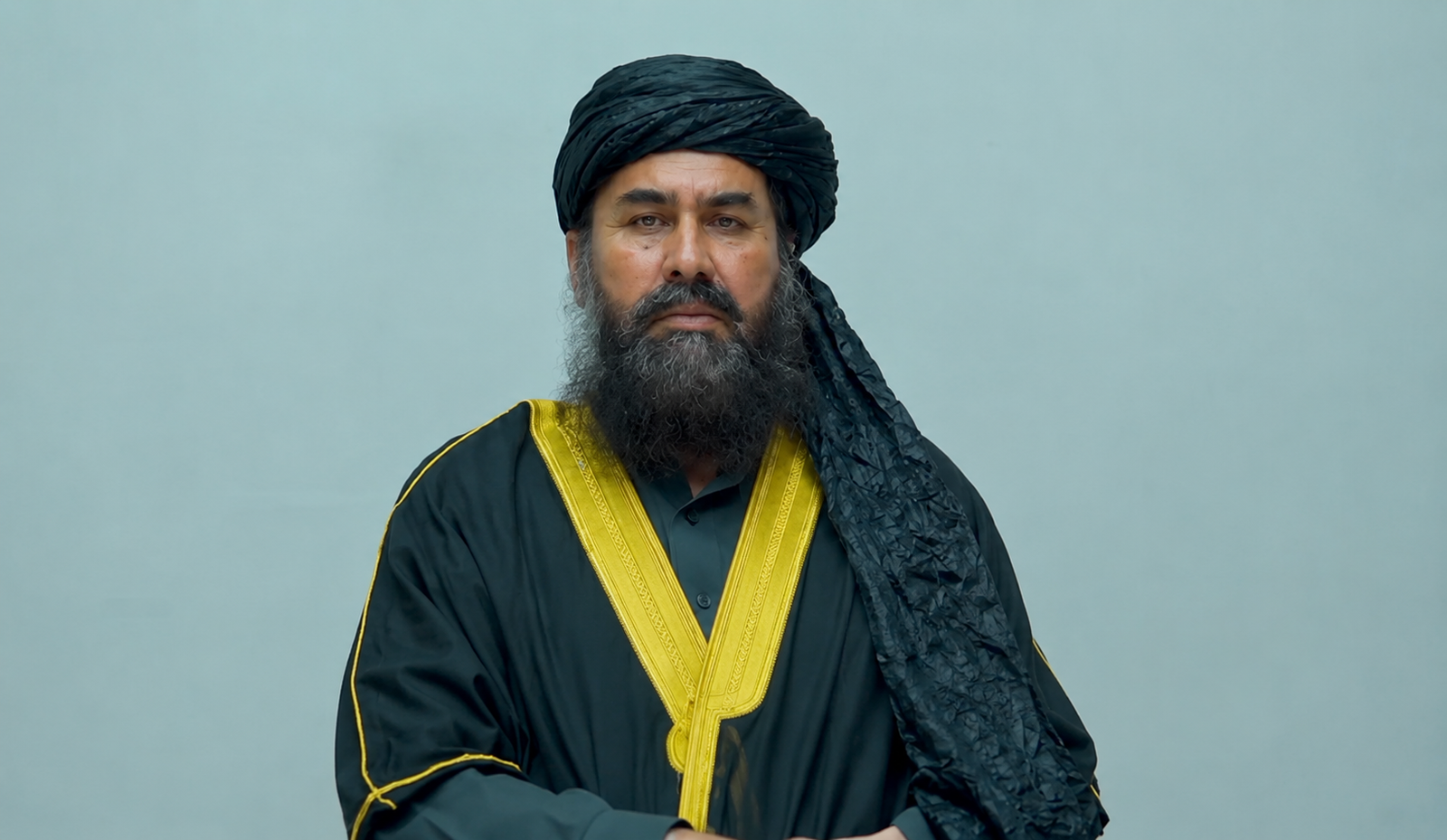
ISLAMABAD: A suspected member of Fitna al-Khawarij has allegedly disclosed details of an extortion and terror-support network in which religious decrees were used to justify threats, fundraising and militant activities, according to information released by security sources.
The arrested suspect, identified as Mufti Zafaryab, is alleged by the authorities to have been a member and facilitator of Fitna al-Khawarij. During interrogation, he reportedly revealed that militant commanders relied on self-styled clerics and unregistered seminaries to obtain religious rulings that were later used to justify extortion, intimidation and other unlawful activities.
According to the reported confession, Zafaryab completed the eight-year Dars-e-Nizami programme at Jamia Nizam-ul-Uloom, Bannu, before pursuing a three-year specialisation in Islamic jurisprudence at Al-Markaz Al-Islami in Ghoriwala.
Security sources said the suspect admitted to having been an active associate of militant commander Hikmat Roshan and a member of the Gul Bahadur Shura, allegedly assisting the group in activities linked to terrorism.
During questioning, the suspect reportedly claimed that militant commanders used the name of jihad to extort money from businessmen and intimidate wealthy individuals. He alleged that they sought religious decrees from him and other self-styled clerics to provide a false religious justification for extortion and other criminal acts.
He further claimed that Hikmat Roshan allegedly offered financial incentives, influential positions and other benefits to persuade individuals to support the group’s objectives and expand its network.
The suspect was also quoted by investigators as saying that Fitna al-Khawarij had no connection with the teachings of Islam and instead promoted extremist beliefs that justified violence against fellow Muslims.
Security analysts said the reported disclosures demonstrated how militant organisations allegedly exploit religion for operational and financial purposes by using unregistered seminaries and self-styled religious figures to legitimise their activities.
According to experts, the case reinforces the need to bring all unregistered seminaries under the regulatory framework of the Directorate General of Religious Education (DGRE) in accordance with the National Action Plan (NAP), aimed at strengthening oversight of religious institutions and preventing their misuse by extremist elements.
Experts noted that an agreement for the registration and regulation of seminaries has been in force since 2019 between the government and representative religious education bodies, including Wifaq-ul-Madaris Al-Arabia and the Ittehad-e-Tanzeemat-e-Madaris Pakistan. They stressed that implementation of the agreement remains essential to improving transparency and accountability within the sector.
Analysts further called for transparent scrutiny of unregistered seminaries and any individuals or organisations allegedly linked to them, emphasising that any action should be carried out in accordance with evidence, due process and the law.
They added that stronger government oversight, curriculum reforms and improved educational standards were necessary to prevent the misuse of religious institutions, counter extremist narratives and reduce the risk of militant recruitment and facilitation.
The reported disclosures have renewed debate over seminary regulation, terror financing and the use of religious narratives by militant organisations. However, the allegations made by the suspect and the claims regarding other individuals remain subject to investigation and judicial proceedings.
Also Read: BLA: Is it an Insurgent Movement or Terrorist Organization?