NEW YORK: Bristol Myers Squibb has reported encouraging results from a late-stage clinical trial of its experimental drug admilparant, which is being developed to treat idiopathic pulmonary fibrosis (IPF), a serious lung disease that causes progressive scarring of lung tissue.
According to a Reuters report, the Phase 3 clinical trial included 1,255 patients with IPF who received either 60-milligram or 120-milligram doses of admilparant twice daily.
The results showed that the lower 60-milligram dose significantly improved the preservation of lung function compared with a placebo after 52 weeks, meeting the trial’s primary endpoint. However, the higher 120-milligram dose failed to achieve the primary target.
Admilparant works by blocking the LPA1 protein receptor, which plays a role in processes associated with lung scarring. Researchers hope the treatment could help slow disease progression and preserve respiratory function.
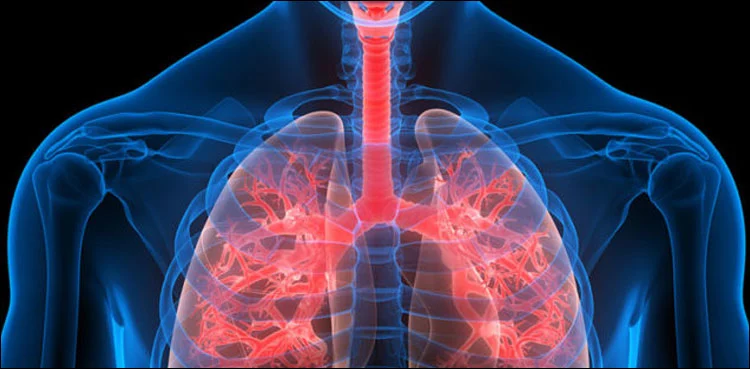
Idiopathic pulmonary fibrosis is a chronic condition in which lung tissue develops permanent scars, becoming thicker and stiffer over time. This progressively reduces lung function and makes breathing increasingly difficult.
Existing treatments for IPF include medications such as Ofev and Esbriet. If approved by regulators, admilparant could offer another treatment option for patients with the disease.
The reported results mark a potentially important development in IPF research. However, admilparant remains an experimental drug, and regulatory approval would be required before it could be used as an approved treatment. The provided report also refers to further trial developments but ends before giving additional details.
Experimental Lung Disease Drug Shows Promise in Trial