
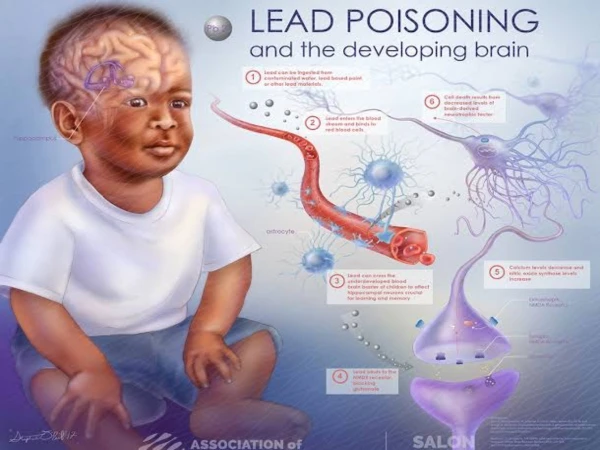
Health experts are warning that there is no safe level of lead exposure for children, stressing that even small amounts can have lasting effects on brain development, learning ability, and overall health. Despite significant reductions in the use of lead in fuel, paint, and industrial products in many countries, children can still be exposed through older homes and contaminated environments.
Experts say lead exposure remains a preventable public health concern, particularly for young children who are more vulnerable to its harmful effects.
Common Sources of Lead Exposure
According to health experts, children may be exposed to lead through old lead-based paint, contaminated household dust, soil, drinking water carried through lead pipes, and some older or imported toys and consumer products.
Because children frequently put their hands and objects in their mouths, they are at a higher risk of ingesting lead particles.
No Safe Level of Lead for Children
Medical experts emphasize that no amount of lead exposure is considered safe for children. Even low levels may affect cognitive development, reduce IQ, impair memory and attention, and interfere with learning and behavior.
The effects of lead exposure can be permanent, making early prevention and intervention especially important.
Symptoms of Lead Poisoning
Lead poisoning often develops without obvious symptoms in its early stages. As exposure increases, children may experience headaches, stomach pain, constipation, loss of appetite, irritability, fatigue, and difficulty concentrating.
In severe cases, symptoms can include vomiting, excessive drowsiness, seizures, or loss of consciousness, all of which require immediate medical attention.
Long-Term Health Risks
Experts say prolonged lead exposure can affect brain development, hearing, balance, and physical growth. It may also damage the kidneys, interfere with the body’s use of iron and vitamin D, and increase the risk of high blood pressure later in life.
Research has also linked childhood lead exposure to poorer academic performance and behavioral challenges.
How Parents Can Reduce the Risk
Health professionals recommend keeping children away from old or poor-quality toys, regularly cleaning homes to reduce dust, encouraging frequent handwashing before meals, and consulting a healthcare provider if lead exposure is suspected.
They add that awareness, early detection, and preventive measures are the most effective ways to protect children from lead poisoning.
Also Read : UN Warns of Rising Chickenpox Outbreak Among Displaced Children in Gaza