
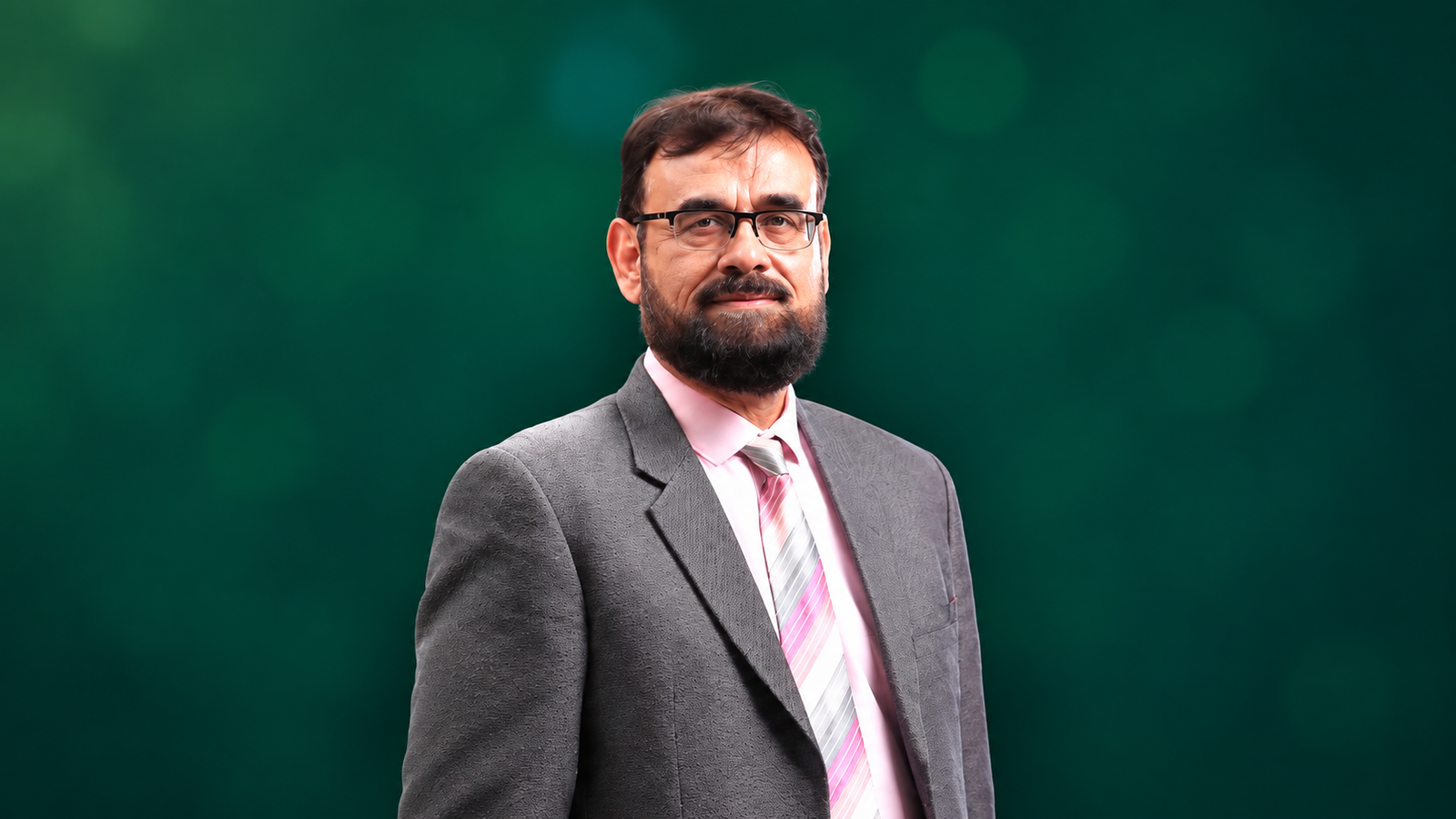
KARACHI: Dr. Abdul Bari Khan, Founder, President and CEO of the Indus Hospital & Health Network (IHHN), has been honoured with the 2026 James and Carol Hovey Eisenhower Fellowships Impact Award for building one of the world’s largest healthcare networks providing high-quality medical care free of cost to millions of patients.
Dr. Khan, who was an Eisenhower Fellow from Pakistan in 2004, was selected for the fourth annual Hovey Impact Award, which recognises outstanding achievements by Eisenhower Fellows in generating positive impact in their societies.
Dr. Khan dedicated the honour to the people of Pakistan, saying their trust and resilience continue to inspire IHHN’s mission. He also shared the recognition with the network’s donors, partners and government collaborators, whose support has contributed to its growth.
He further dedicated the award to IHHN’s doctors, nurses, healthcare professionals, staff and everyone who has contributed to the organisation’s journey, saying their commitment and service have helped transform a shared vision into a movement serving millions with dignity and compassion.
Launched 19 years ago as a single 150-bed hospital in Karachi, the Indus Hospital & Health Network has grown under Dr. Khan’s leadership into a nationwide healthcare system serving more than six million patients annually.
Today, the Indus network includes 12 multidisciplinary hospitals, four regional blood centres, three physical rehabilitation centres and more than 100 primary care sites and public health initiatives across Pakistan.
Over the last year, the network performed more than 67,000 surgeries and recorded over 214,000 hospital admissions, 2.9 million outpatient visits and 1.4 million emergency room visits.
Its services also included more than 16,000 safe deliveries, care for over 212,000 mental health beneficiaries and malaria screenings for more than 6.3 million people.
To reach Pakistan’s most isolated and underserved communities, Dr. Khan and IHHN have pioneered mobile health units, rapidly deployable container clinics, boat clinics and telehealth services. These initiatives extend healthcare to riverine communities, flood-affected areas, deserts, urban slums and other locations often beyond the reach of traditional healthcare systems.
Eisenhower Fellowships President George de Lama praised Dr. Khan’s leadership, saying he had transformed his personal vision into an extraordinary national network that has saved countless lives and safeguarded the health of millions of people every year.
Dr. Khan and his work were selected from a highly competitive field of more than 45 project submissions by a distinguished panel of Eisenhower Fellowships trustees, fellows, outside experts and senior staff.
His 2004 Eisenhower Fellowship played an important role in shaping the growth of the Indus network. During his fellowship in the United States, Dr. Khan studied healthcare systems and visited hospitals specialising in cardiac and paediatric surgery.
The experience exposed him to sustainable healthcare models and connected him with a global network of leaders whose ideas and relationships continued to influence the development of the Indus network.
A cardiac surgeon, Dr. Khan demonstrated his commitment to providing care for patients unable to afford treatment well before founding Indus. As a student and young physician, he was active in the Patients’ Welfare Association and established its blood bank.
After beginning work as a cardiac surgeon in 1996, he raised Rs35 million from community leaders to establish a cardiac surgery unit at Dow Medical College, providing free surgery to patients in need.
Trustee Jim Hovey, longtime former vice chairman of the Eisenhower Fellowships Board of Trustees and chairman of its Executive Committee, will present Dr. Khan with the award at the 2026 Eisenhower Fellowships Impact Award Dinner and Pin Ceremony on November 11 at Liberty View in Philadelphia.