
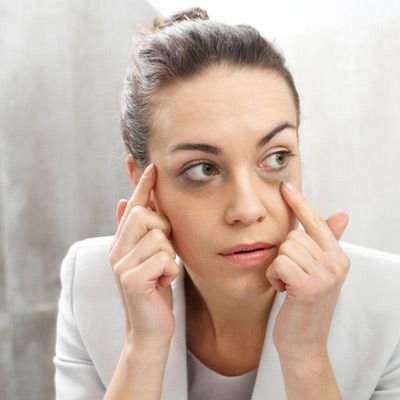
Dark circles under the eyes, pale skin, hair loss and cracks at the corners of the mouth are increasingly being linked to iron deficiency on social media under the trend known as “ferritin face.” However, experts caution that these visible signs alone cannot confirm whether someone has low iron levels.
Ferritin is a protein that stores iron in the body. Iron is essential for producing haemoglobin, the protein in red blood cells responsible for carrying oxygen throughout the body. When iron stores become depleted, some people may develop iron-deficiency anaemia.
Can Iron Deficiency Cause Dark Circles?
Dark circles may appear more noticeable in some people with iron deficiency, particularly when anaemia causes paleness. However, dark circles are not a reliable indicator of low iron levels.
Genetics, ageing, lack of sleep, allergies and the natural structure of the skin can also contribute to dark circles. Therefore, their presence does not necessarily mean that a person has an iron deficiency.
Other Visible Signs to Watch For
Pale skin: Low haemoglobin levels can make the skin appear paler than usual, although other conditions may also affect complexion.
Hair loss: Iron deficiency may contribute to hair loss, but stress, thyroid disorders, hormonal changes and deficiencies of other nutrients can also be responsible.
Brittle nails: Low iron levels can weaken nails. In more severe cases, nails may become spoon-shaped, a condition medically known as koilonychia.
Cracks at the corners of the mouth: These may be associated with iron or other nutritional deficiencies, but fungal infections, irritation and other skin conditions can also cause them.
Common Symptoms of Iron Deficiency
In addition to visible changes, possible symptoms include persistent fatigue, low energy, shortness of breath, a racing heartbeat, headaches, dizziness and difficulty concentrating. Some people may have no obvious symptoms during the early stages.
Blood Tests Are Needed for Diagnosis
Doctors may recommend a ferritin test to assess the body’s iron stores and a complete blood count (CBC) to evaluate red blood cells and haemoglobin levels. The appropriate tests depend on an individual’s symptoms and medical history.
Experts caution against diagnosing iron deficiency solely by examining facial features or following symptom lists circulating on social media.
Taking iron supplements without medical advice can also be harmful, as excessive iron can cause serious health problems. Anyone experiencing persistent fatigue, breathlessness or unusual hair loss should consult a healthcare professional to determine whether testing is necessary.