
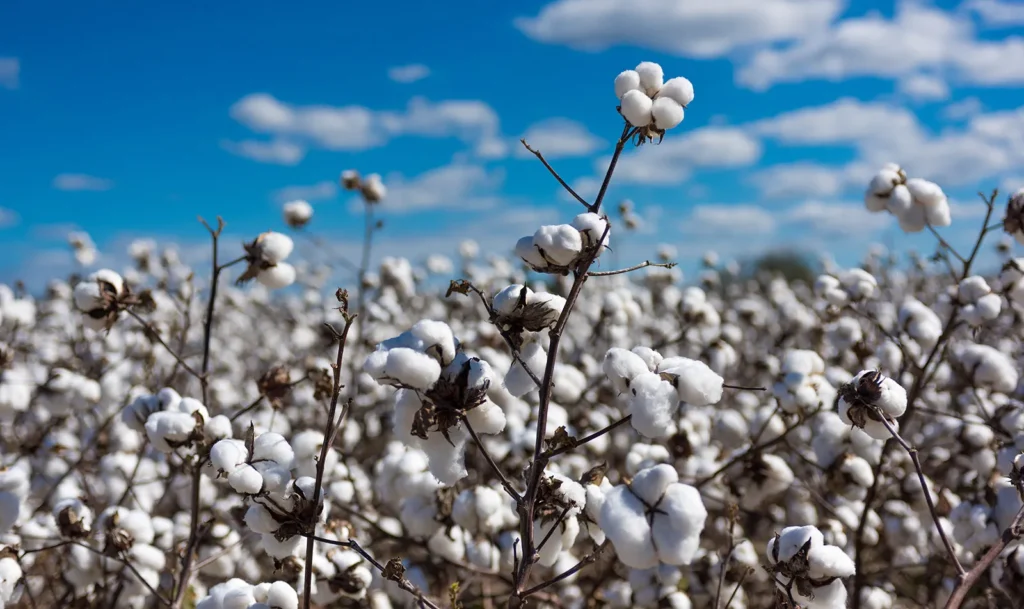
KARACHI, November 9, 2026: Cotton cultivation has begun in the second week of November in Sindh’s coastal districts of Thatta and Sujawal, marking an unprecedented shift in the traditional sowing calendar amid changing temperature patterns.
According to reports from cotton-growing areas, farmers have started sowing the crop in Chuhar Jamali, Mirpur Sakro, Gharo, Baharo, Keti Bandar and Chhachh Jahan, where prevailing temperatures have created favourable conditions for cultivation.
Industry representatives said cotton acreage in these areas could reach record levels this season if the current temperature conditions persist.
The development reflects changing agricultural patterns in Pakistan, where unusual fluctuations in temperature and seasonal weather conditions have increasingly affected crop cultivation schedules, yields and quality.
Cotton Ginners Forum Chairman Ehsanul Haq said abnormal changes in temperature and the duration of seasonal conditions over recent years had negatively affected several agricultural crops.
He explained that these changes had reduced per-acre productivity and affected the quality of agricultural produce, creating financial difficulties for farmers and putting pressure on the rural economy.
According to Haq, Pakistan traditionally had two major cotton-growing zones with distinct sowing periods.
In Sindh’s coastal districts, cotton was generally cultivated during February and March, while farmers in other major cotton-producing regions typically began sowing between May 1 and the first week of June.
However, changing temperature patterns have gradually altered these schedules.
In recent years, cotton cultivation has shifted towards February in Sindh’s coastal belt and some parts of Punjab, while sowing in other districts has increasingly taken place during April and May.
The latest development represents a further departure from the established cultivation calendar, with farmers beginning cotton sowing as early as November.
Meanwhile, Punjab’s Crop Reporting Services has projected cotton production of approximately 3.7 million bales for the current season, a figure highlighted by industry representatives amid concerns about changing agricultural conditions.
In a separate development, the Central Cotton Research Institute and the Pakistan Agricultural Research Council have agreed to strengthen cooperation in cotton seed research and technical collaboration.
The two agricultural research institutions will work jointly on developing improved cotton seed varieties and expanding technical cooperation to support the country’s cotton sector.
The changing sowing patterns underline the importance of agricultural research and adaptation as farmers respond to increasingly unpredictable temperature conditions.