
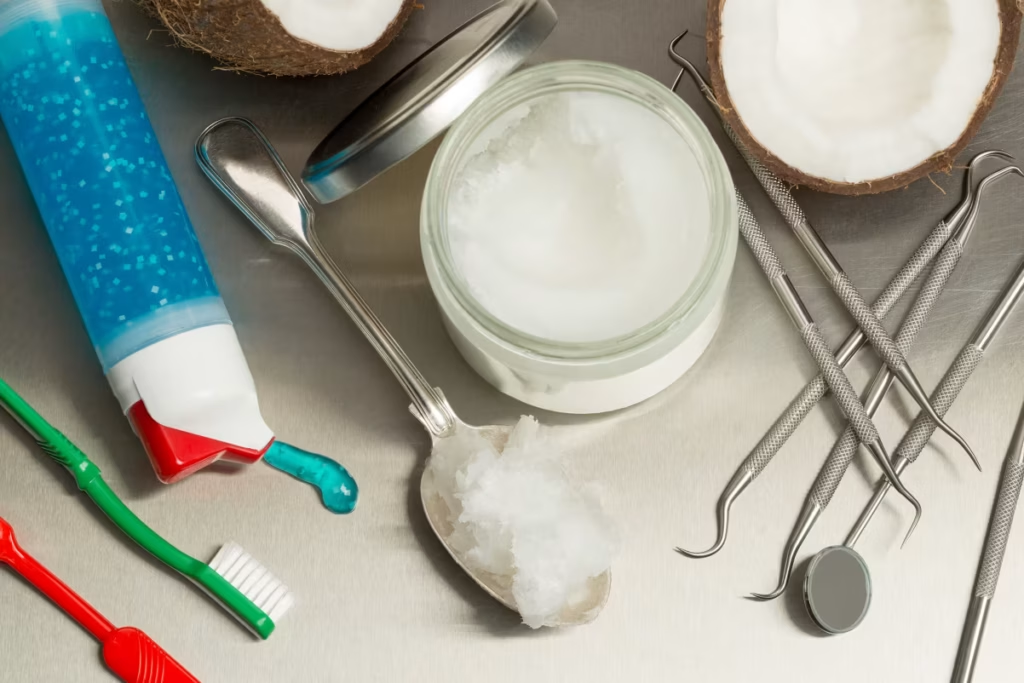
Oil pulling, an ancient oral hygiene practice rooted in Ayurvedic medicine, is making a comeback on social media. The technique involves swishing edible oil, such as coconut, sunflower or olive oil, around the mouth for five to 20 minutes before spitting it out.
Supporters claim the practice can whiten teeth, freshen breath and improve the oral microbiome. However, dental experts say scientific evidence supporting these benefits remains limited.
What Is Oil Pulling?
Oil pulling dates back thousands of years and was traditionally believed to remove toxins and impurities from the mouth. The practice involves moving oil around the teeth and gums before spitting it out.
Historically, these impurities were associated with plaque, a buildup of bacteria and food particles on the teeth. The belief that oral health influences overall well-being also contributed to claims that oil pulling could detoxify the body.
The practice has gained renewed popularity as interest in natural wellness routines grows. However, it was largely overtaken by toothpaste and modern oral hygiene methods during the 20th century.
What Does the Scientific Evidence Say?
According to Dr Matthew Messina, a consumer adviser for the American Dental Association and director of Ohio State Upper Arlington Dentistry, there is no strong scientific evidence establishing oil pulling as beneficial.
A 2022 meta-analysis found that oil pulling may reduce the number of bacteria in the mouth. However, evidence remains limited regarding its effectiveness in reducing plaque buildup or gum inflammation compared with conventional oral hygiene practices.
The American Dental Association also states that reliable scientific studies have not established that oil pulling prevents cavities, whitens teeth or improves overall oral health.
Experts suggest that, before modern dental care was widely available, oil pulling may have offered some benefit compared with doing nothing. Today, however, it has not been shown to provide meaningful advantages beyond established oral hygiene routines.
Can Oil Pulling Replace Mouthwash or Toothpaste?
Dental professionals do not recommend replacing proven oral care methods with oil pulling. Although experts are not raising major concerns about the practice itself, relying on it instead of established treatments could be problematic.
For example, gum infections and dental abscesses require appropriate professional assessment and treatment. Oil pulling should not be considered a substitute for prescribed medication or dental care.
Accidentally swallowing oil may also cause gastrointestinal discomfort.
Conventional mouthwash, meanwhile, can offer specific benefits depending on its ingredients. Antibacterial rinses may help reduce bacteria associated with tooth decay and gum disease, while fluoride rinses can help strengthen teeth. However, mouthwash is also a supplement rather than a replacement for brushing and flossing.
What Is the Best Way to Maintain Oral Health?
Dental experts recommend following established oral hygiene practices rather than spending extended periods on an unproven routine.
Key recommendations include:
- Brush your teeth twice daily with fluoride toothpaste.
- Clean between your teeth once a day using floss or an oral irrigator.
- Use mouthwash when appropriate as part of your oral hygiene routine.
- Seek professional dental care for persistent gum problems, infections or tooth pain.
Experts also caution that oil pulling could create a false sense of protection if people believe it prevents dental disease without sufficient evidence.
While further research involving larger groups of patients and well-designed clinical trials may clarify its effects, current evidence does not establish oil pulling as an effective alternative to conventional dental care.
The bottom line: Coconut oil may be part of a traditional wellness routine, but brushing twice daily with fluoride toothpaste and cleaning between your teeth remain the better-supported ways to protect oral health.