
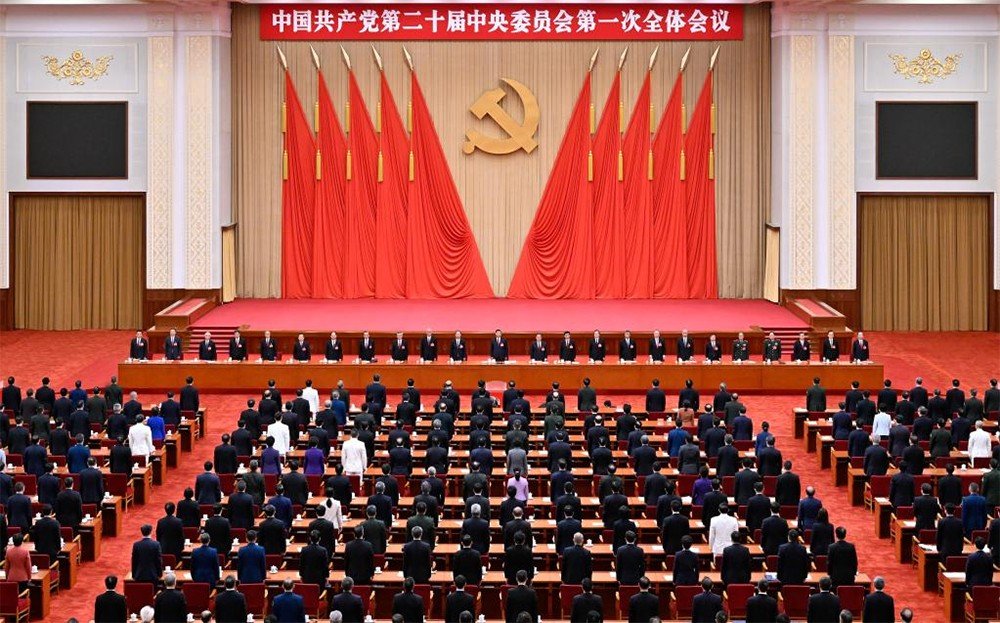
BEIJING, November 15, 2026: The Communist Party of China (CPC) is strengthening institutional mechanisms to regulate the exercise of official authority, prevent corruption and improve accountability across government and Party organisations.
The initiative focuses on establishing clearer boundaries for public officials, strengthening supervision and ensuring that government powers are exercised within established legal and institutional frameworks.
According to official information, the CPC had more than 3,000 regulations in force by 2025, covering official conduct, administrative responsibilities and disciplinary procedures.
The Party’s eight-point decision on improving official conduct also establishes rules governing official meetings, research visits, documentation and the use of public resources.
A resolution adopted at the fifth plenary session of the 20th CPC Central Committee in late October called for further strengthening oversight mechanisms and improving coordination between the delegation, exercise and supervision of power.
The resolution emphasised clearly defined responsibilities, transparent procedures and traceable administrative decisions to reduce opportunities for misconduct.
According to official figures, disciplinary and supervisory authorities have filed more than eight million cases since 2012 and imposed penalties on nearly eight million individuals, including 963 officials supervised by the CPC Central Committee.
China has also expanded its nationwide supervisory system to cover public officials regardless of their Party membership.
The CPC’s internal inspection system allows higher-level authorities to examine official conduct, review administrative records, investigate complaints and assess compliance with central policies.
Authorities have increasingly incorporated digital technologies and big data analysis into anti-corruption investigations to identify suspicious transactions, misuse of public funds and fraudulent subsidy claims.
The latest resolution also calls for improved coordination among supervisory institutions, stronger early-warning mechanisms and more effective implementation of disciplinary regulations.
Chinese authorities maintain that institutional oversight and consistent enforcement are essential to preventing corruption and ensuring accountability in public administration.