
By Naveed Miraj
Prime Minister Muhammad Shehbaz Sharif’s visit to Bishkek, Kyrgyzstan, was important both diplomatically and bilaterally. Diplomatically, the visit came at a significant moment as Pakistan assumed the chairmanship of the SCO Council of Heads of State for 2026-27. Bilaterally, the visit provided an opportunity for Pakistan and Kyrgyzstan to give fresh momentum to their economic, trade, energy and connectivity ties.
The assumption of SCO chairmanship cannot be separated from the improved position Pakistan has attained in recent times. Pakistan’s diplomatic standing has improved considerably, and the SCO chairmanship is yet another reflection of the confidence now being placed in the country’s leadership and its ability to play a constructive role in regional and world affairs. The SCO brings together some of the most important countries of Eurasia, and its agenda covers security, economic cooperation, connectivity, energy, technology and regional stability. Pakistan’s chairmanship represents more than the routine rotation of an organizational responsibility. It is an expression of confidence in Pakistan’s ability to lead discussions, build consensus and help translate the organization’s vision into practical cooperation. Pakistan’s theme for its chairmanship, “Turning Vision into Action: Connectivity, Innovation and Shared Prosperity,” reflects this ambition. It gives Islamabad an opportunity to focus the organization’s attention on areas that directly affect the future of the region, from trade and transport connectivity to artificial intelligence, energy, health, and culture and poverty reduction.
The timing of this diplomatic responsibility is particularly important. Over the past year, Pakistan has demonstrated both strategic strength and diplomatic maturity. The Marka-e-Haq last year demonstrated the country’s military might and its determination to defend its sovereignty. The subsequent role played by Pakistan in encouraging peace and de-escalation in the US-Iran conflict demonstrated another dimension of Pakistan’s growing influence. Islamabad showed that it could use its diplomatic space to promote dialogue at a time of serious regional tension. This combination of military capability and diplomatic engagement has strengthened Pakistan’s position. A country that can defend itself when necessary and at the same time can contribute to peace and dialogue commands greater respect in the international system.
The credit for this improved standing goes significantly and undoubtedly to PM Shehbaz Sharif and Chief of Army Staff and Chief of Defence Forces Field Marshal Syed Asim Munir. Their respective roles have helped create greater space for Pakistan to pursue its national interests with confidence.
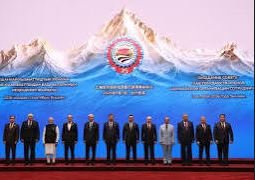
Addressing the SCO Council of Heads of State in Bishkek, Prime Minister Shehbaz Sharif aptly highlighted Pakistan’s commitment to the peaceful resolution of disputes, and multilateralism. His emphasis on connectivity was particularly relevant. Pakistan has repeatedly argued that the economic future of the region depends on connecting South Asia with Central Asia and beyond. CPEC, road and railway links, energy projects and access to the Arabian Sea can provide Central Asian countries with new routes to international markets. The SCO chairmanship gives Pakistan the opportunity to turn this vision into action. The country will host the SCO Council of Heads of State summit in Islamabad next year. It will also be a major diplomatic occasion and an opportunity to showcase Pakistan’s hospitality, diplomatic capacity and potential as a regional economic and connectivity hub.
Lahore’s designation as the SCO Tourism and Cultural Capital for 2026-27 adds another important dimension to Pakistan’s chairmanship. Lahore is one of the region’s most historically and culturally significant cities. Its architecture, literature, music, cuisine and traditions provide Pakistan with an opportunity to engage with the people of SCO member states beyond formal government-to-government diplomacy. The designation also gives Lahore an opportunity to present itself as a center of culture and history while contributing to Pakistan’s broader diplomatic outreach.
The bilateral dimension of the Bishkek visit was equally important. Prime Minister Shehbaz Sharif’s meeting with Kyrgyz President Sadyr Japarov reflected a shared determination to transform the longstanding friendship between the two countries into a stronger economic partnership. While signing a series of MOUs and agreements, both sides agreed to work towards increasing bilateral trade to 200 million dollars. The signing of agreement regarding transit trade will help facilitate the movement of goods and create new commercial opportunities. For Kyrgyzstan, a landlocked country, Pakistan’s seaports offer an important connection to the rest of the world. President Sadyr Japarov himself recognized this geographical advantage, noting that Pakistan’s seaports provide Kyrgyzstan with a natural route to regional markets and wider global trade routes. This acknowledgement is important because it underlines Pakistan’s potential role in connecting Central Asia with the sea. Recent crisis in the Gulf also demonstrated the importance of alternative and reliable trade routes. Pakistan’s geographical position gives it many of the ingredients required to emerge as a major transit and transshipment hub for the region.
The Bishkek visit therefore carried a clear message on both fronts. Diplomatically, Pakistan has been entrusted with greater responsibility within an important regional organization. Bilaterally, it has opened another avenue for stronger economic engagement with Central Asia. We are confident that the civilian and military leadership will sustain this momentum, enabling the country to translate its growing diplomatic influence and strategic position into greater economic opportunities and lasting prosperity for its people.