
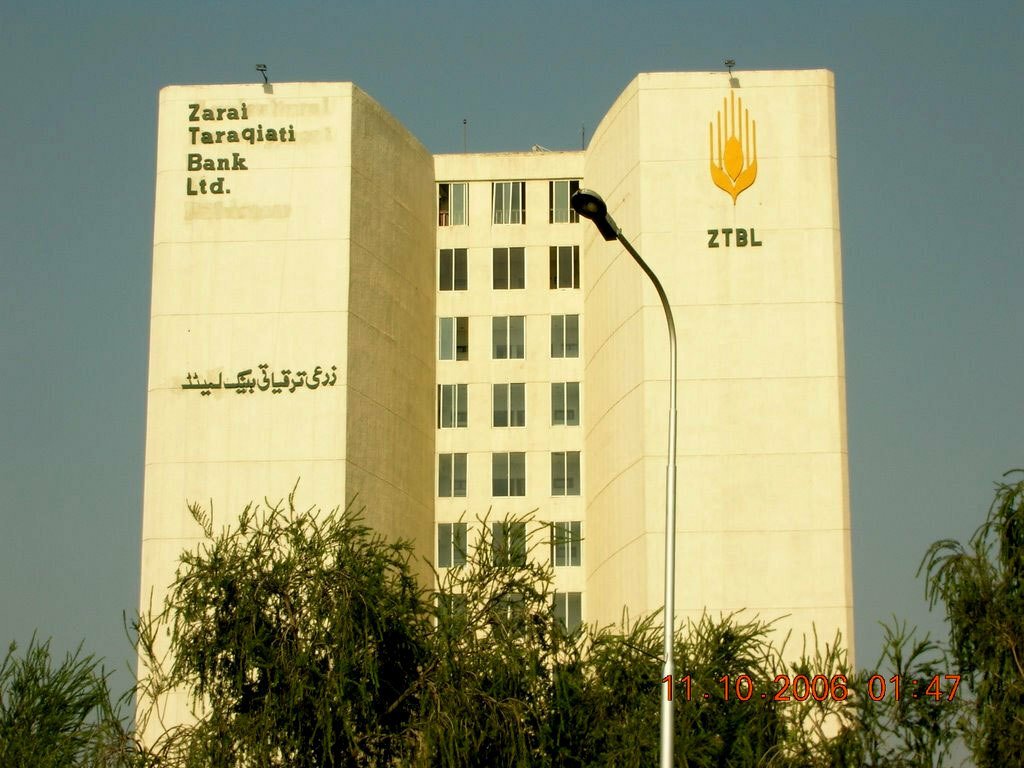
ISLAMABAD — Zarai Taraqiati Bank Limited (ZTBL) has reduced its fuel consumption by 25 percent across its operations as part of energy conservation measures introduced amid concerns over potential fuel shortages linked to the ongoing Middle East conflict.
The bank said the reduction in fuel usage will take effect immediately across its nationwide network, including the head office. Officials said the step is intended to support national efforts to manage energy resources during a period of uncertainty in fuel supplies.
In a statement issued on Monday, ZTBL management said controlling officers across the organization have been directed to ensure fuel conservation while continuing essential business operations.
The bank said the measures are aimed at promoting efficient resource use while maintaining operational stability.
Operational steps to conserve fuel
As part of the initiative, employees—particularly field staff—have been advised to adopt fuel-efficient travel routes and encourage “trip pooling,” where multiple official tasks are combined into a single visit instead of separate trips.
Staff members have also been encouraged to limit unnecessary travel and rely more on digital communication tools such as video conferencing and telephone calls for meetings and coordination.
ZTBL management said collective changes in daily work routines can contribute to meaningful fuel savings during a period when the country faces growing energy challenges.
Bank leadership calls for coordinated efforts
ZTBL President and CEO Tahir Yaqoob Bhatti told the bank’s executive assembly that institutions must take practical steps to support national interests during periods of economic and energy pressure.
He said the bank aims to conserve fuel without affecting day-to-day operations and service delivery, adding that coordinated efforts by employees can help achieve the targeted reduction in fuel usage.
The bank said the conservation measures will remain in place as part of its broader effort to ensure operational continuity while contributing to national energy management efforts.



 Today's E-Paper