

Islamabad — Zong has signed a Memorandum of Understanding (MoU) with the National Database & Registration Authority (NADRA) to support national digitalization efforts under the government’s Digital Pakistan vision. The partnership aims to strengthen citizen‑centric technological services and enhance secure, inclusive digital access across the country.
As part of the collaboration, Zong will introduce NADRA’s Multi‑Biometric Verification solution, including facial recognition as an alternative to fingerprint‑based verification. The initiative is designed to make SIM issuance more accessible for senior citizens, persons with disabilities, and individuals facing biometric limitations such as fingerprint fading or skin conditions.
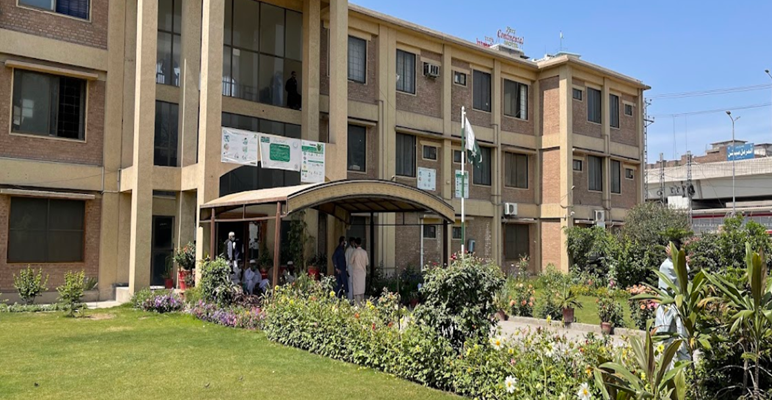
Zong has already deployed the first dedicated SIM kiosk at NADRA’s Rawalpindi Mega Center. The pilot project is intended as a model for nationwide rollout, establishing a fraud‑resistant verification process that complies with national security requirements and international best practices. Similar systems are already in place in countries such as China, Malaysia, and the UAE, where facial verification is widely used to combat identity fraud.
The partnership also includes enhanced APIs for real‑time subscriber verification, updates to citizen records, and improved registry accuracy. These measures will support law enforcement and security agencies in monitoring suspicious activities. Integration of the Family Registration Certificate (FRC) verification API will further streamline SIM ownership transfers in cases where a subscriber has passed away.
Commenting on the collaboration, Tauseef ur Rahman Khan, Director Sales & Distribution at Zong, said the initiative reflects a shared commitment to advancing Pakistan’s digital transformation through secure, citizen‑focused technologies. He noted that the partnership is designed to enhance service accessibility, strengthen data integrity, and contribute to a safer, more resilient digital infrastructure.
Looking ahead, Zong and NADRA plan to explore cooperation on Single Sign‑On (SSO) and the National Data Exchange Layer (NDEL) to build an interoperable and trusted verification framework, supporting a secure and inclusive digital ecosystem for Pakistani citizens.


 Today's E-Paper