
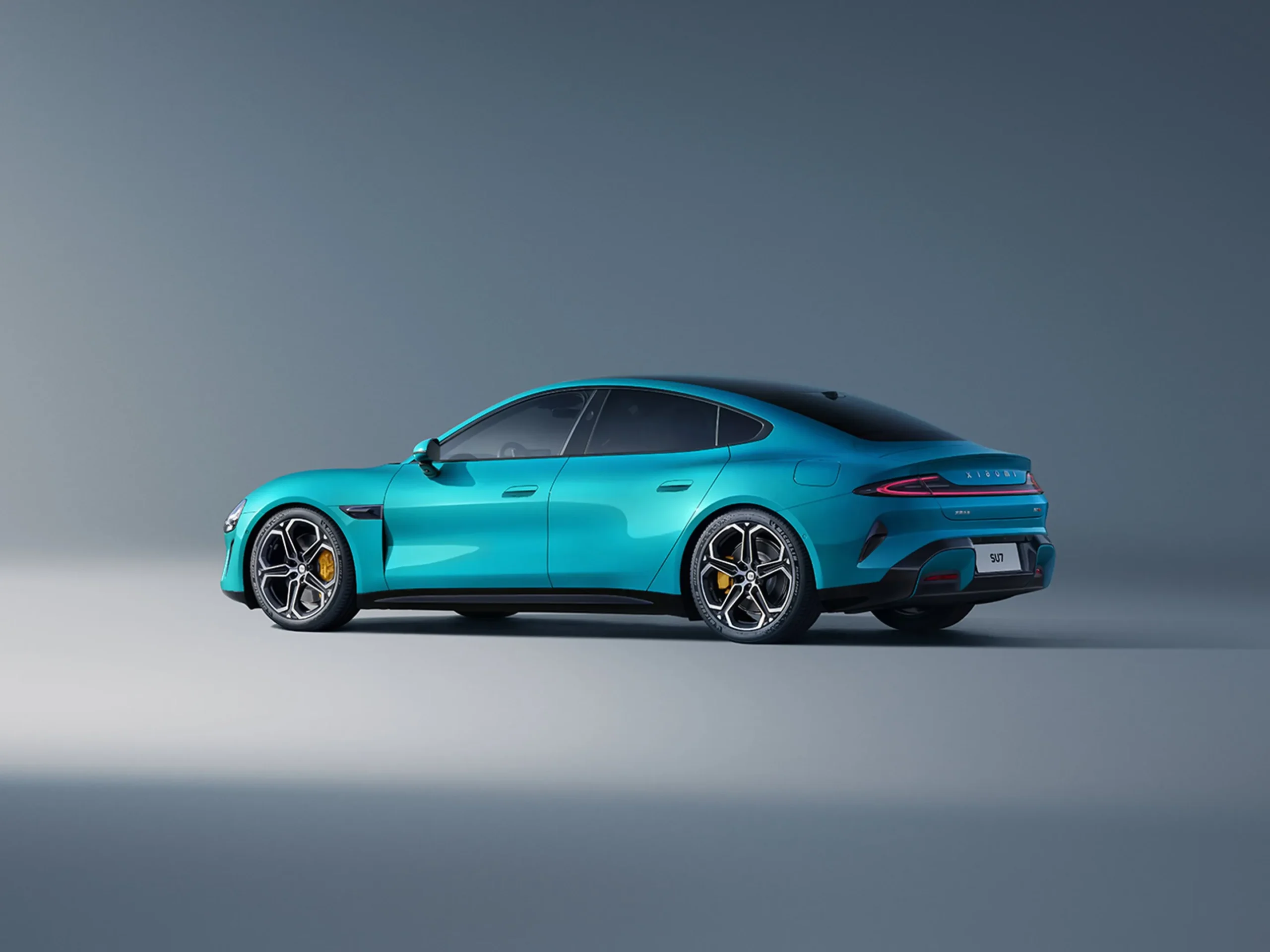
Chinese technology giant Xiaomi reported its first profit in its electric vehicle division during the third quarter of this year (July–September). As automobiles increasingly integrate advanced IT features, often described as “moving smartphones,” industry observers are watching closely to see whether Xiaomi can establish itself as a successful newcomer in the automotive sector.
Innovation Sector Delivers Operating Profit
On November 18, Xiaomi announced that its “innovation sector,” which includes electric vehicles and artificial intelligence, achieved an operating profit of 700 million yuan, roughly 140 billion won. This marks a sharp turnaround from the previous quarter, when the division posted an operating loss of about 60 billion won. The swing represents an improvement of nearly 200 billion won, pushing the business into profitability.
Xiaomi vs Tesla: Speed to Profitability
Xiaomi’s timeline to profitability stands out in the EV industry. U.S. automaker Tesla recorded its first quarterly profit in 2013, five years after launching its debut electric vehicle. In contrast, Xiaomi reached profitability in just one year and eight months, following the launch of its first EV, the SU7, in March of last year.
Industry Skepticism Over New Entrants
Despite the achievement, the Chinese tech giant faced skepticism both inside and outside the automotive industry. Building cars requires complex supply chains, and quality standards are directly tied to passenger safety, making entry into the sector costly and challenging. These hurdles have discouraged other tech companies, including Apple, which recently abandoned its electric vehicle project after more than a decade of investment.
Input from THE CHOSUNILBO
Read related news here: https://thepublicpurview.com/category/tech/
For more stories and insights, visit: The Green Post





 Today's E-Paper