
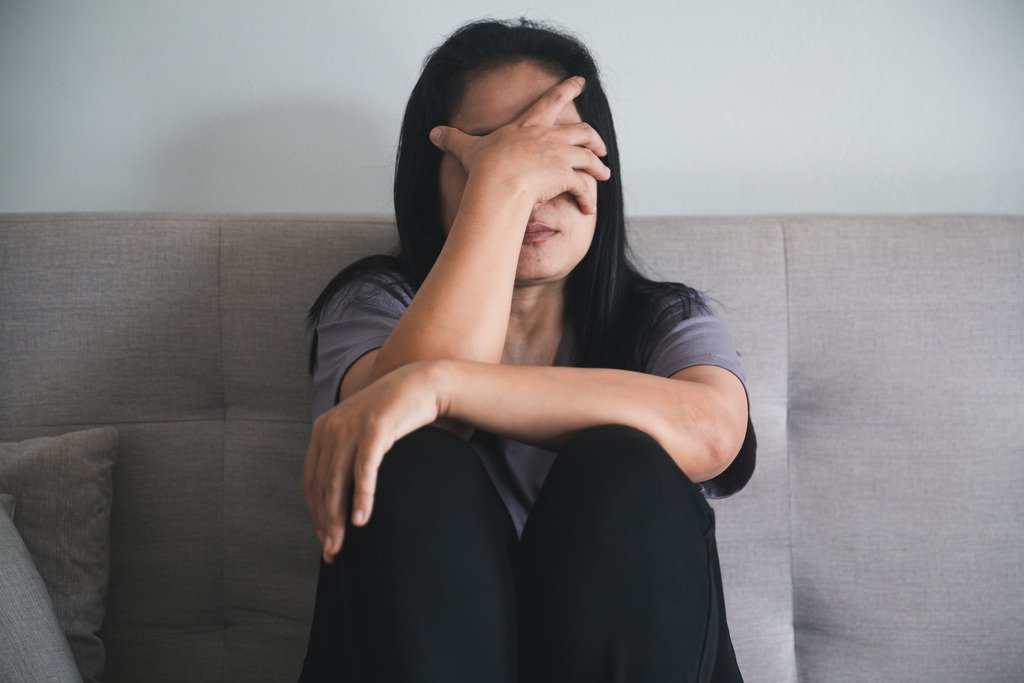
Women’s physical symptoms are sometimes dismissed as stress, anxiety or psychological problems, potentially delaying the diagnosis and treatment of underlying medical conditions.
This phenomenon is often described as medical gaslighting, a term used when a patient’s reported symptoms are dismissed or minimised rather than properly investigated. It can contribute to delays in diagnosis and may lead to further complications.
Some women experience persistent fatigue, joint pain, physical weakness and skin rashes. However, when these symptoms are attributed to stress or dismissed as imagined, the underlying condition may remain undiagnosed.
What Are Autoimmune Diseases?
Autoimmune diseases occur when the body’s immune system mistakenly attacks its own healthy cells and tissues instead of targeting harmful external threats such as pathogens.
These conditions can cause a wide range of symptoms, and reaching an accurate diagnosis can sometimes be a difficult and lengthy process.
According to research cited by ARY News and attributed to the University of Cambridge, women with autoimmune diseases may be more likely than men to experience misinterpretation or under-recognition of their symptoms.
The report states that women were 46% more likely to receive a psychiatric diagnosis and 74% more likely to have their physical symptoms associated with stress or anxiety.
These figures highlight concerns about how women’s symptoms are assessed and the potential consequences of overlooking physical causes.
Symptoms That Deserve Attention
Possible symptoms of autoimmune diseases include:
- Persistent or severe fatigue
- Joint pain
- Physical weakness
- Skin rashes or other skin changes
The nature and severity of symptoms vary from person to person. These symptoms can also occur in many other conditions, so they do not necessarily indicate an autoimmune disease.
Why Timely Diagnosis Matters
Some women may wait years for an accurate diagnosis, potentially affecting their daily activities, well-being and overall health.
Health experts emphasise that persistent or unusual physical symptoms should not automatically be attributed to stress, anxiety or psychological causes. A medical assessment and appropriate investigations can help identify the underlying reason.
Women experiencing ongoing or recurring symptoms should seek medical advice and discuss further evaluation if their concerns remain unresolved.
The central message is clear: women’s pain deserves to be heard, investigated and taken seriously. Listening carefully to patients and pursuing appropriate diagnostic assessments can help improve the chances of timely treatment and a better quality of life.