
Wisdom teeth can cause pain, swelling and discomfort when they emerge, particularly when there is not enough room in the jaw. While mild symptoms may sometimes be managed temporarily at home, persistent or severe pain can indicate impaction, infection or another dental problem that needs professional evaluation.
Wisdom teeth are the final set of molars and typically emerge between the ages of 17 and 25. Some people develop all four, while others have fewer or none. Because they appear later and may have limited space to grow, they can sometimes become trapped beneath the gum or emerge at an angle.
Common Symptoms of Wisdom Teeth Pain
Symptoms can vary from mild tenderness to significant discomfort. Common signs include:
- Pain or tenderness at the back of the mouth
- Swelling and redness around the gum
- Pain while chewing or biting
- Difficulty opening the mouth fully
- Pain that may extend toward the jaw, ear or head
- An unpleasant taste or discharge around the affected tooth
These symptoms can also occur with cavities, gum infections and other dental conditions, so pain at the back of the mouth does not always mean a wisdom tooth is responsible.
Why Do Wisdom Teeth Hurt?
A wisdom tooth may become painful when it does not have enough room to emerge properly. An impacted tooth can remain partly or completely beneath the gum, while a partially erupted tooth can create a space where food and bacteria accumulate.
This can lead to inflammation or an infection around the tooth. Wisdom teeth may also put pressure on neighbouring teeth or contribute to recurring irritation of the surrounding gum tissue.
When Should You See a Dentist?
Mild discomfort may sometimes improve with temporary measures such as warm saltwater rinses and appropriate over-the-counter pain relief. However, persistent pain should be assessed by a dentist.
Swelling, pus, fever, difficulty swallowing, difficulty opening the mouth or worsening pain can be signs of infection and require prompt professional attention.
A dentist may use dental X-rays to determine the position of the wisdom tooth and check whether it is impacted, affecting nearby teeth or causing other problems.
Treatment Options
Treatment depends on the cause and severity of the problem. A dentist may recommend monitoring the tooth if it is not causing complications.
Where infection or inflammation is present, treatment may include medication or medicated mouth rinses. If a wisdom tooth is severely impacted or repeatedly causes problems, extraction may be recommended.
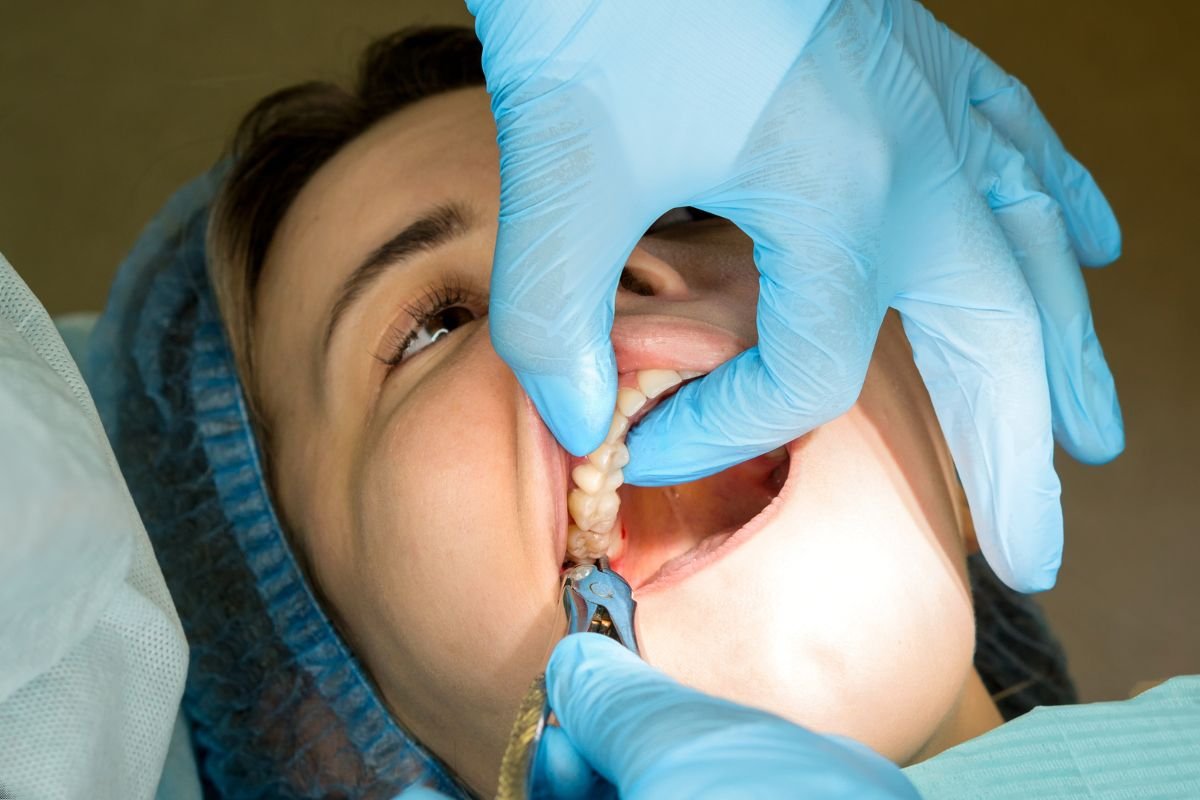
A fully erupted tooth may be removed relatively simply, while an impacted wisdom tooth can require a minor surgical procedure. Recovery time varies depending on the complexity of the extraction and the individual patient.
Home Measures for Temporary Relief
Several measures may help reduce discomfort while waiting for dental care:
- Rinse the mouth gently with warm saltwater.
- Apply a cold compress to the outside of the cheek to help with swelling.
- Choose soft foods and avoid chewing directly on the painful area.
- Continue brushing and cleaning the mouth carefully around the affected area.
- Use suitable over-the-counter pain medication according to the product instructions or a healthcare professional’s advice.
These measures can provide temporary relief but do not remove an impacted tooth or treat an underlying dental infection.
Wisdom Teeth and Orthodontic Treatment
People who have undergone orthodontic treatment may also need their wisdom teeth monitored as they develop. Regular dental check-ups can help identify problems early and determine whether treatment or removal is necessary.
The presence of wisdom teeth does not automatically mean they must be removed. The decision depends on their position, symptoms, oral health and potential impact on surrounding teeth.
The Bottom Line
Wisdom teeth pain can be caused by normal eruption, lack of space, impaction or infection. Temporary home care may ease symptoms, but recurring or severe discomfort should not be ignored. A dental examination can identify the underlying cause and determine whether monitoring, medication or extraction is appropriate.
Also Read : Toothache Relief: Home Remedies That May Provide Temporary