
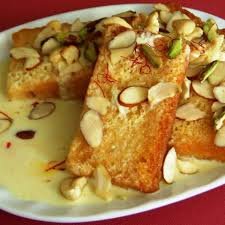
Why does the urge to eat something sweet strike immediately after a meal? If you experience this regularly, the reason may go beyond simply having a sweet tooth. Both physical and psychological factors could be responsible.
According to medical experts, post-meal sugar cravings can be linked to dietary choices, hormones, sleep patterns and everyday habits.
Why Do We Crave Sweets After Eating?
According to Indian doctor Nethra, consuming foods such as white rice, refined flour and processed products can cause blood sugar levels to rise rapidly.
Meanwhile, a lack of protein, fibre and healthy fats in meals may affect how full and satisfied the body feels, potentially increasing the desire for something sweet.
Other contributing factors include:
Habit Formation: Regularly eating dessert after meals can create a routine that triggers cravings.
Stress: Psychological stress may increase the desire for sugary foods.
Poor Sleep: Insufficient sleep can influence appetite and food cravings.
Dietary Imbalance: Meals lacking protein, fibre and healthy fats may leave you less satisfied.
How Can You Reduce Sugar Cravings?
Experts recommend adopting healthier eating habits to manage the urge for sweets.
Some useful measures include:
Eat balanced meals containing protein, vegetables and fibre.
Include healthy fats in your daily diet.
Drink sufficient water.
Maintain a regular and healthy sleep routine.
Avoid making sugary desserts an automatic part of every meal.
Medical advice is particularly important if unusual sugar cravings are accompanied by excessive thirst, frequent urination or unexplained weight changes. Consult a healthcare professional in such cases.