

By Umar Talha
There is a particular kind of leadership that only reveals itself under pressure. It is not the kind that makes grand speeches after the damage is done or offers sympathies when the queues have already formed outside petrol stations. It is the kind that moves early, absorbs the blow quietly, and lets ordinary citizens carry on with their lives as though nothing happened. That is exactly what Pakistan witnessed over the past week.
As tensions in the Middle East sent global crude prices into a spiral, governments across the world scrambled to respond. In several countries, fuel shortages led to panic buying, long queues, and rationing. Pakistan, a nation that imports the vast majority of its petroleum needs, was widely expected to be among the hardest hit. The usual commentators were already drafting their doom pieces. But something unusual happened. The pumps stayed open. The prices did not spike. Life went on.
Behind that normalcy was a set of decisions taken well before the headlines caught up.
Prime Minister Shehbaz Sharif’s government chose to absorb Rs129 billion rather than pass the burden of rising global prices onto consumers. That figure deserves a moment of reflection. Rs129 billion is not an accounting trick or a deferred cost. It is a conscious fiscal choice to shield 240 million people from a shock they did not cause and could not control. In a country where every budget line is scrutinized and every subsidy debated, the scale of that absorption speaks for itself.
But the numbers alone do not tell the full story. What made this response different was its precision. Rather than a blanket subsidy that benefits the wealthy as much as the poor, the government rolled out targeted interventions. Motorbike owners, who represent the vast majority of Pakistan’s daily commuters, received Rs100 per litre in relief. Goods transporters and public bus operators were allocated between Rs70,000 and Rs100,000 per month in direct support to keep freight and passenger costs from spiraling. Small farmers, the backbone of Pakistan’s food supply chain, were given Rs1,500 per acre in assistance. The petroleum levy itself was cut by Rs80, bringing it down from Rs458 to Rs378 per litre.
These are not random gestures. They are carefully calibrated moves that reveal a government thinking several steps ahead.
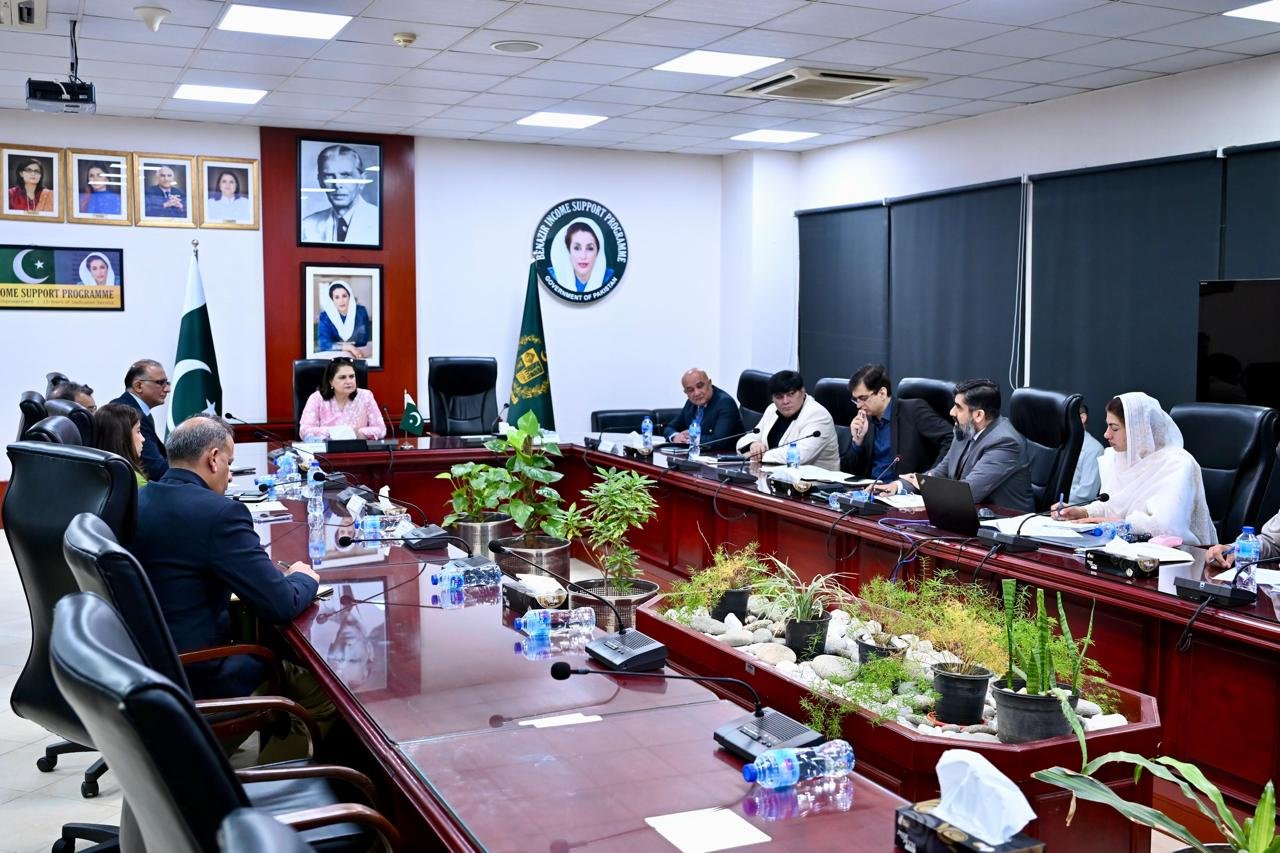
The Prime Minister also convened all provincial chief ministers along with the leadership of Gilgit-Baltistan and Azad Jammu and Kashmir. This was not a photo opportunity. It was a working session to ensure that the relief framework would be implemented uniformly across the federation. Railway fares for economy class were frozen. Federal cabinet members extended their salary sacrifices from two months to six months. These are not the actions of a government in panic. They are the actions of a government that understands its responsibility.
Critics will say that subsidies are unsustainable and that absorbing Rs129 billion creates fiscal pressure. That is a fair point in ordinary times. But these are not ordinary times. When a global crisis threatens to unravel the daily economics of millions of working families, the job of a government is to stand between its people and the storm. Fiscal consolidation matters, but not at the cost of a mother who cannot afford to send her children to school because the bus fare doubled overnight. Not at the cost of a farmer whose input costs wiped out his margins before the harvest even came in.
What Pakistan got this past week was not populism. It was governance. The difference is that populism makes promises before elections. Governance makes decisions before crises.
There is a tendency in our political culture to only notice leadership when it fails. When the lights go out, when the shelves go empty, when the prices spike, that is when we pay attention. But the truest test of leadership is when none of those things happen, precisely because someone was paying attention before we were.
PM Shehbaz Sharif and his team passed that test. The fuel kept flowing, the prices held, and millions of Pakistanis went about their day without ever knowing how close the edge really was. That, in the end, is what competent leadership looks like. Not loud. Not theatrical. Just effective.

 Today's E-Paper