
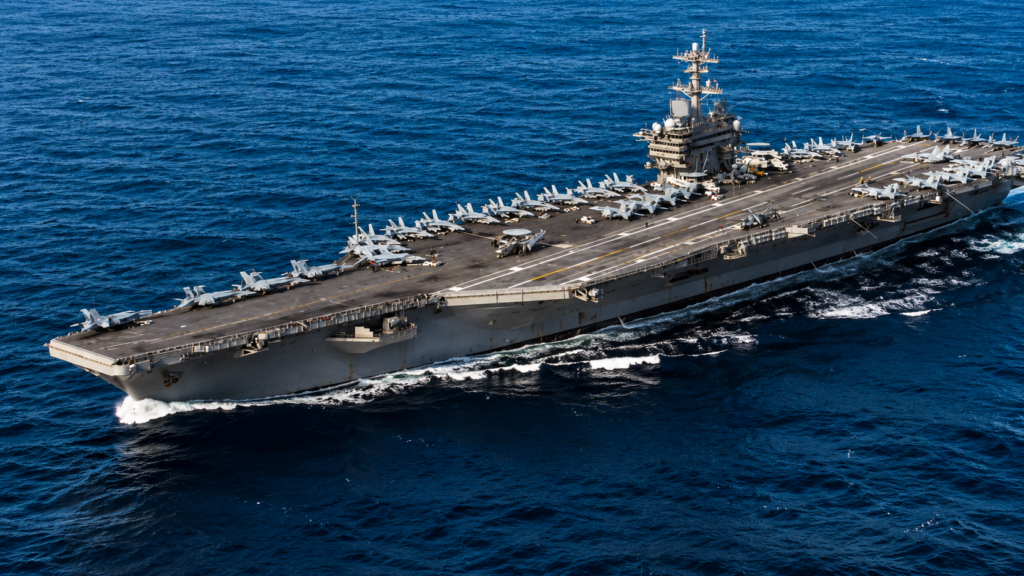
WASHINGTON: Multiple sailors aboard the USS Abraham Lincoln have reportedly attempted to go overboard as the U.S. aircraft carrier’s prolonged Middle East deployment enters its ninth month, raising fresh concerns over mental health, exhaustion and living conditions aboard the warship.
Family members of sailors told U.S. military media that months at sea, demanding operational schedules and uncertainty over the carrier’s return have placed significant strain on personnel.
Military Times reported on August 11 that relatives had described several incidents in which sailors allegedly tried to go overboard, including one case in which a sailor’s wife said her husband attempted to jump from the ship. The Navy has not publicly confirmed the reported number of incidents.
The reports come as the USS Abraham Lincoln has remained deployed for more than 250 days, an unusually long period that is now drawing scrutiny from lawmakers and military families.
US Navy Disputes Claims of Rising Suicide Attempts
While families have voiced serious concerns about sailors’ mental health, Navy officials have disputed claims that there has been an increase in suicidal ideation or suicide attempts aboard the carrier.
The competing accounts have intensified questions over the wellbeing of personnel after months of sustained operations with limited respite. Stars and Stripes previously reported sailors and family members expressing concern about physical and mental strain aboard the Lincoln during its extended deployment.
Around 5,000 sailors and Marines are serving aboard the carrier, according to reporting on the deployment. Families have also raised concerns about long working hours, shortages of some food and water supplies, disrupted mail services and other problems affecting daily life aboard the ship.
US Senator Demands Answers Over USS Abraham Lincoln Conditions
The situation has also reached Capitol Hill.
U.S. Senator Richard Blumenthal has formally asked the Department of Defense for answers about conditions aboard the USS Abraham Lincoln and the impact of increasingly lengthy carrier deployments on sailors.
In a letter released on August 12, 2026, Blumenthal said the Lincoln’s extended deployment raised broader concerns about servicemember wellbeing, fleet readiness, maintenance schedules and the Navy’s ability to sustain carrier operations.
He sought information from Defense Department and Navy leadership about the steps being taken to support sailors and address reported problems aboard the carrier.
Families Raise Mental Health Concerns
The pressure on sailors has been building for months.
In July, Stars and Stripes reported concerns from sailors and their relatives that the prolonged deployment and demanding operational tempo were affecting both physical and mental health.
Those concerns were raised directly with senior Navy officials during meetings with military families in San Diego, where relatives sought answers about mental-health support, onboard conditions and when personnel could expect to return home.
The Navy maintains that support services remain available to personnel, but the latest reports have increased scrutiny of the human cost of prolonged deployments as the USS Abraham Lincoln continues operations in the Middle East.
With lawmakers now seeking formal answers, attention is increasingly focused not only on the carrier’s military mission but also on the wellbeing of the thousands of sailors and Marines serving aboard one of the U.S. Navy’s most prominent warships.
Also Read: Iran Denies US Talks, Says Oman Contacts Continue as Trump Seeks Deal