

Islamabad: The United States has received limited military support from its traditional allies during recent operations linked to the Iran conflict, with most partners offering political backing while avoiding direct involvement, according to a report by Wealth Pakistan.
The development highlights growing caution within Western alliances as Washington moved to secure strategic interests around the Strait of Hormuz. Despite long-standing defence partnerships, several NATO members and allied countries refrained from deploying military assets, reflecting legal, political and economic concerns.
Allies show restraint amid legal and political concerns
The report noted that the US administration launched “Operation Epic Fury” without congressional approval or authorisation from the United Nations Security Council, complicating efforts to build a broader coalition.
Differences also emerged among European leaders. German President Frank-Walter Steinmeier questioned the legal basis of the campaign, while Chancellor Friedrich Merz stressed adherence to international law. President Donald Trump publicly expressed frustration, stating that some allies had not provided even limited operational support.
Experts cite strategic calculations behind hesitation
Adil Seemab, Associate Professor of International Relations at Hazara University, said the cautious approach reflects practical state behaviour rather than a breakdown of alliances.
He explained that countries consider economic stability, domestic pressures, energy security and military risks before engaging in conflict. Nations such as Germany, Japan and Australia are wary of disruptions to trade and internal political balance, leading to restrained responses.
Zaeem Hassan Mehmood, Senior Researcher and PhD Scholar at Greenwich University Karachi, said the situation underscores a widening gap between political alignment and military burden-sharing.
He noted that while many allies continue diplomatic support for Washington, they are avoiding direct involvement in a conflict where their immediate strategic interests are limited. Concerns over legal legitimacy and domestic political pressures are also influencing decisions.
Also read: Trump urges allies to help secure Strait of Hormuz, warns NATO faces ‘very bad’ future
For European countries, additional constraints include limited fiscal space, parliamentary oversight requirements and a focus on regional security priorities.





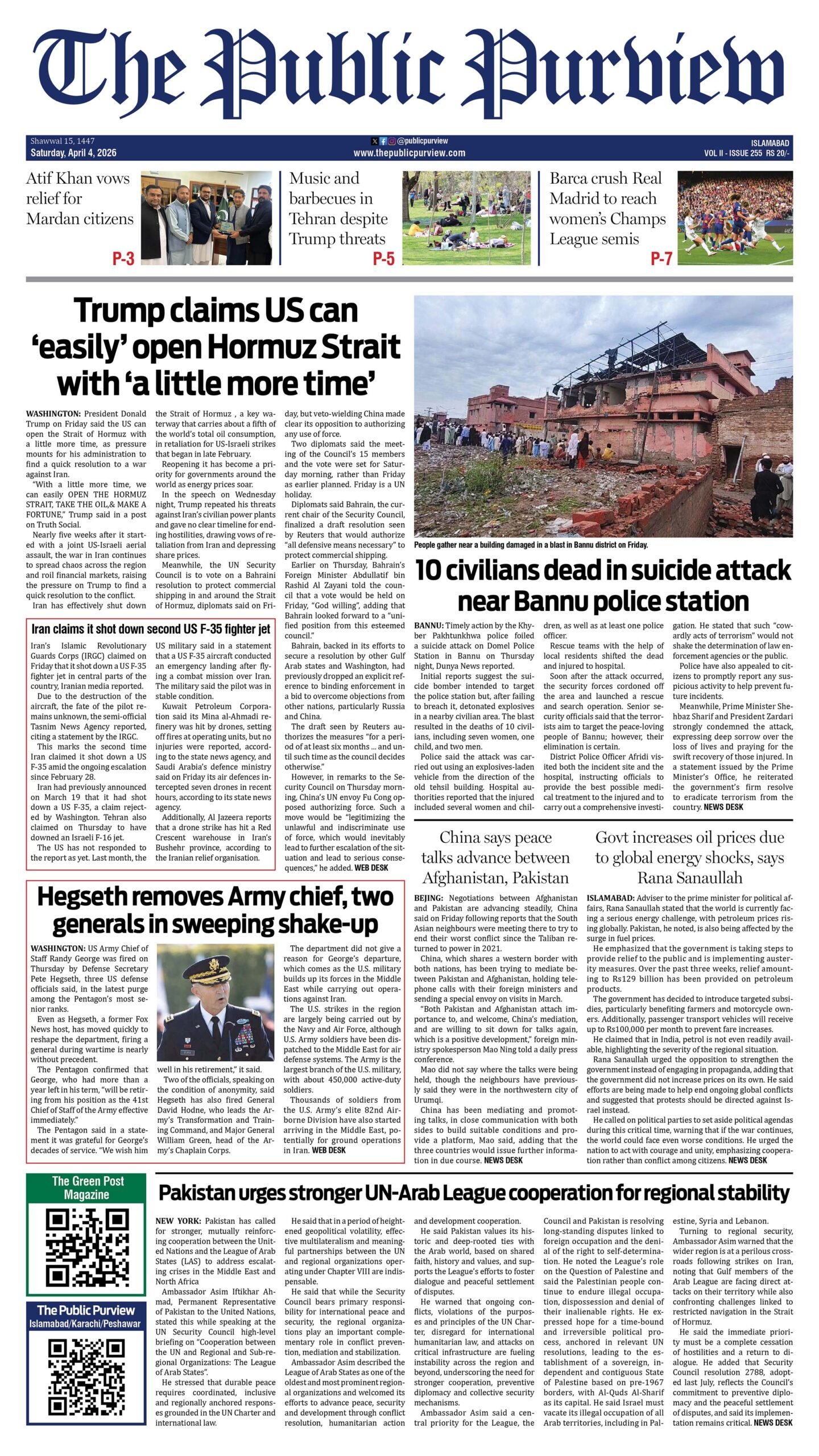 Today's E-Paper