
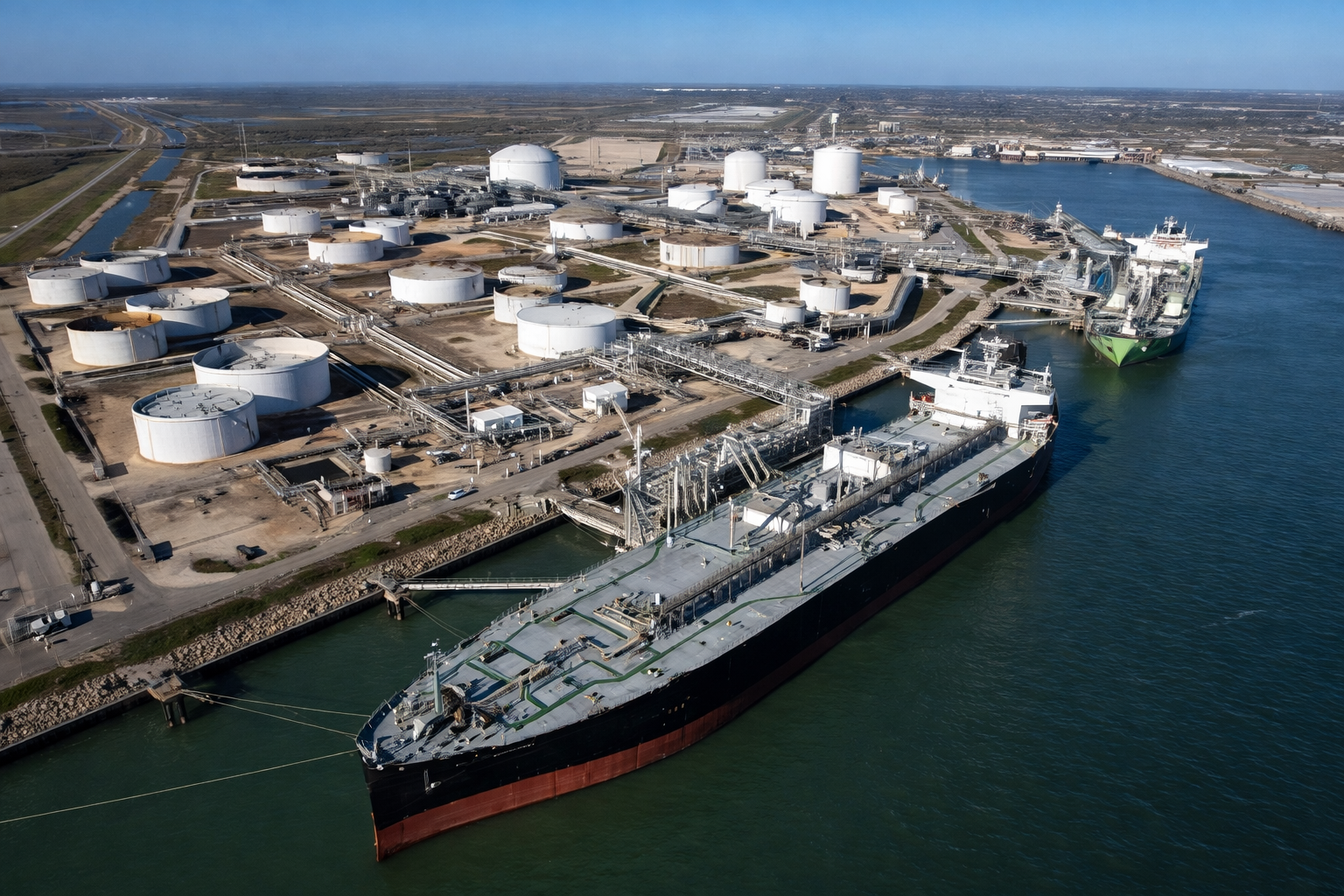
WASHINGTON — The United States has issued a 30-day waiver allowing the sale of Iranian oil already at sea, in a move aimed at easing surging global energy prices amid the ongoing conflict involving Iran.
The waiver, announced by the Treasury Department, is expected to release an estimated 140 million barrels of oil into global markets, helping to relieve pressure on supply as crude prices remain elevated.
Treasury Secretary Scott Bessent said the decision was part of broader efforts to stabilise energy markets following weeks of volatility triggered by the conflict involving the United States, Israel and Iran.
The measure underscores growing concern within the White House that rising oil prices could weigh on domestic economic conditions ahead of the upcoming midterm elections, where control of Congress is at stake.
According to the Treasury license, Iranian oil shipments already loaded onto vessels can be sold and delivered under the waiver until April 19. However, it remains unclear whether any of this oil will be imported into the United States, which has largely avoided Iranian crude since sanctions were reimposed.
The waiver excludes certain regions, including Cuba, North Korea and Crimea, and is expected to primarily benefit Asian markets, which are major consumers of Middle Eastern oil. Officials indicated that shipments could reach Asia within days and enter refined product markets in the coming weeks.
Independent Chinese refiners have historically been key buyers of discounted Iranian crude, while countries such as India, Japan and South Korea were significant importers before sanctions were tightened in 2018.
This marks the third sanctions waiver issued by Washington in recent weeks as part of efforts to contain energy prices, which have surged sharply since late February. Oil prices have climbed significantly, driven by supply disruptions and heightened geopolitical tensions.
Also Read: Iran warns of oil blockade if attacks continue as Trump threatens stronger US response
The administration has also taken additional steps, including easing restrictions on Russian oil and temporarily relaxing domestic shipping rules to facilitate fuel transport.
Despite these measures, analysts caution that the impact may be limited unless key supply routes, particularly the Strait of Hormuz — a critical channel for global oil shipments — are fully reopened.
Energy market experts warn that continued reliance on such measures could signal diminishing policy options to control prices amid an escalating geopolitical crisis.




 Today's E-Paper