
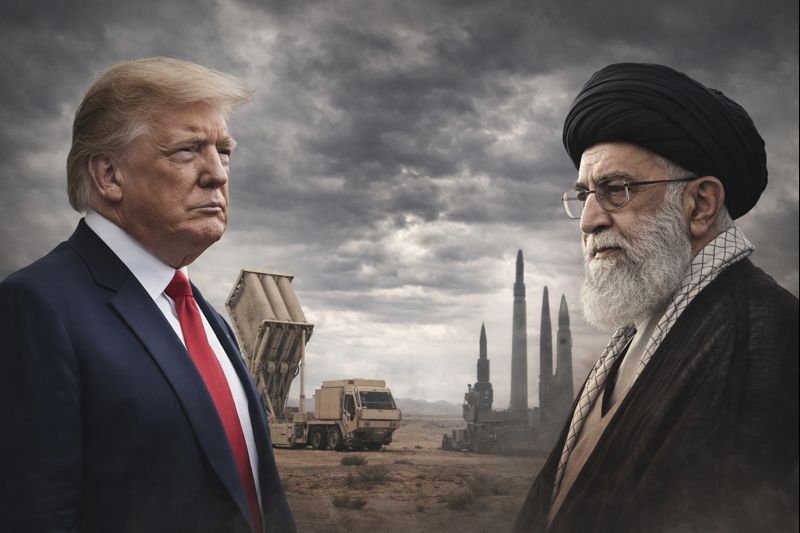
Washington: The United States has begun deploying additional Patriot and THAAD missile defense systems to the Middle East to protect American forces amid concerns over a possible Iranian response to recent regional developments, according to U.S. officials cited by The New York Times and Reuters.
The deployments are intended to strengthen air and missile defenses at locations hosting U.S. personnel, as Washington assesses the risk of retaliation linked to heightened tensions with Tehran. Pentagon officials have not disclosed exact locations or timelines but have described the move as precautionary and defensive in nature.
Pentagon posture and regional security concerns
According to Reuters, the Pentagon has accelerated plans to reinforce layered missile defenses as part of broader force protection measures. Patriot systems are designed to counter aircraft and short-range ballistic threats, while THAAD targets higher-altitude ballistic missiles during their terminal phase.
U.S. officials say the deployments are aimed at safeguarding personnel rather than signaling imminent offensive action, as Washington continues to monitor Iran’s military posture and the activities of allied groups in the region.
Iranian capabilities and official messaging
Iranian military officials and state-linked media have repeatedly claimed that newer missile systems, including the Kheybar Shekan-2, could challenge or bypass advanced missile defenses such as THAAD. Western defense analysts note that such assertions are difficult to independently verify and are often part of strategic signaling rather than tested battlefield outcomes.
Iran rejects talks with US amid threats as regional tensions rise
Iran has consistently warned that any attack on its territory or forces would draw a significant response, while maintaining that its missile and defense programs are non-negotiable elements of national security.
Background: US-Iran standoff and past warnings
The current buildup unfolds against the backdrop of a long-running confrontation over Iran’s nuclear program and regional influence. During an earlier phase of heightened tensions, former US President Donald Trump publicly warned Iran that military pressure would intensify if Tehran refused to engage in talks on nuclear restrictions. At the time, Trump pointed to the deployment of the USS Abraham Lincoln carrier strike group as a deterrent signal.
Iranian leaders responded then by stating that any US military action would be met with force, reinforcing a pattern of reciprocal warnings that has periodically driven regional escalations.
Why it matters
Analysts say the renewed focus on missile defense reflects persistent volatility in US-Iran relations, where deterrence, signaling, and force protection measures often advance in parallel with diplomatic messaging. While no immediate escalation has been confirmed, the deployments underscore the strategic importance Washington places on protecting its forces amid uncertainty.



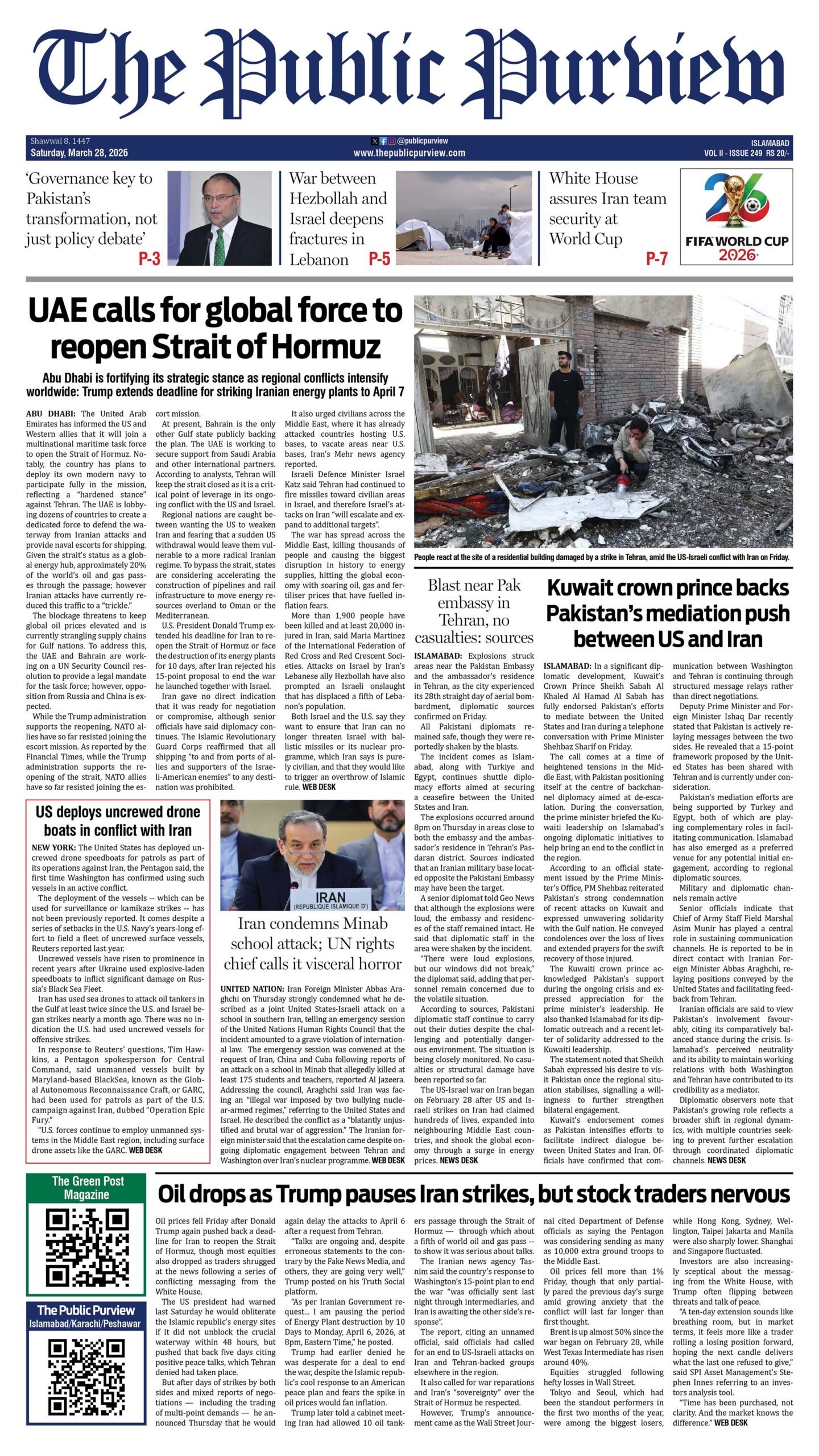 Today's E-Paper