
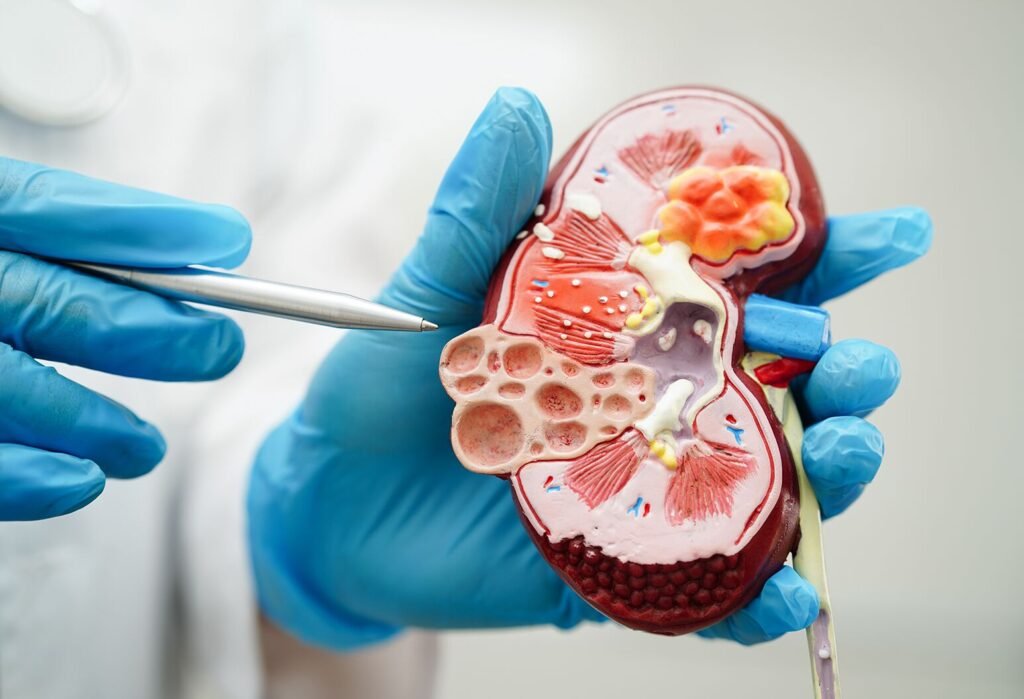
A diet high in ultra-processed foods may significantly increase the risk of chronic kidney disease, according to a study published in the Clinical Journal of the American Society of Nephrology.
The kidneys play a crucial role in maintaining overall health by filtering the blood, removing waste products and excess fluids, and helping regulate levels of potassium, sodium and other essential substances.
They also produce hormones that contribute to important functions, including blood pressure regulation and maintaining bone health.
Chronic kidney disease affects an estimated one in 10 people worldwide and can cause fluids and other waste products to accumulate in the body as kidney function declines.
The latest research examined the relationship between dietary habits and kidney health among 2,661 older adults.
Researchers collected information about participants’ dietary habits through surveys and then followed their health for approximately seven years.
The findings indicated that people who consumed larger amounts of ultra-processed foods had a 26% to 37% higher risk of chronic kidney disease compared with those who consumed less of these foods.
Ultra-processed foods typically undergo multiple stages of industrial processing and often contain high levels of salt, sugar and other additives, while providing relatively low amounts of beneficial nutrients such as fibre.
Examples include packaged bread, fast food, sweets, candy, cakes, salty snacks, breakfast cereals, chicken and fish nuggets, instant noodles, sugary drinks and soda.
Such foods have also been associated with a range of other chronic health conditions, including cardiovascular disease and certain cancers.
In contrast, diets containing higher amounts of fruits and vegetables were associated with a lower risk of chronic kidney disease.
The findings add to growing evidence that dietary quality can play an important role in long-term kidney health, although individual health risks can vary depending on overall diet, lifestyle and existing medical conditions.