
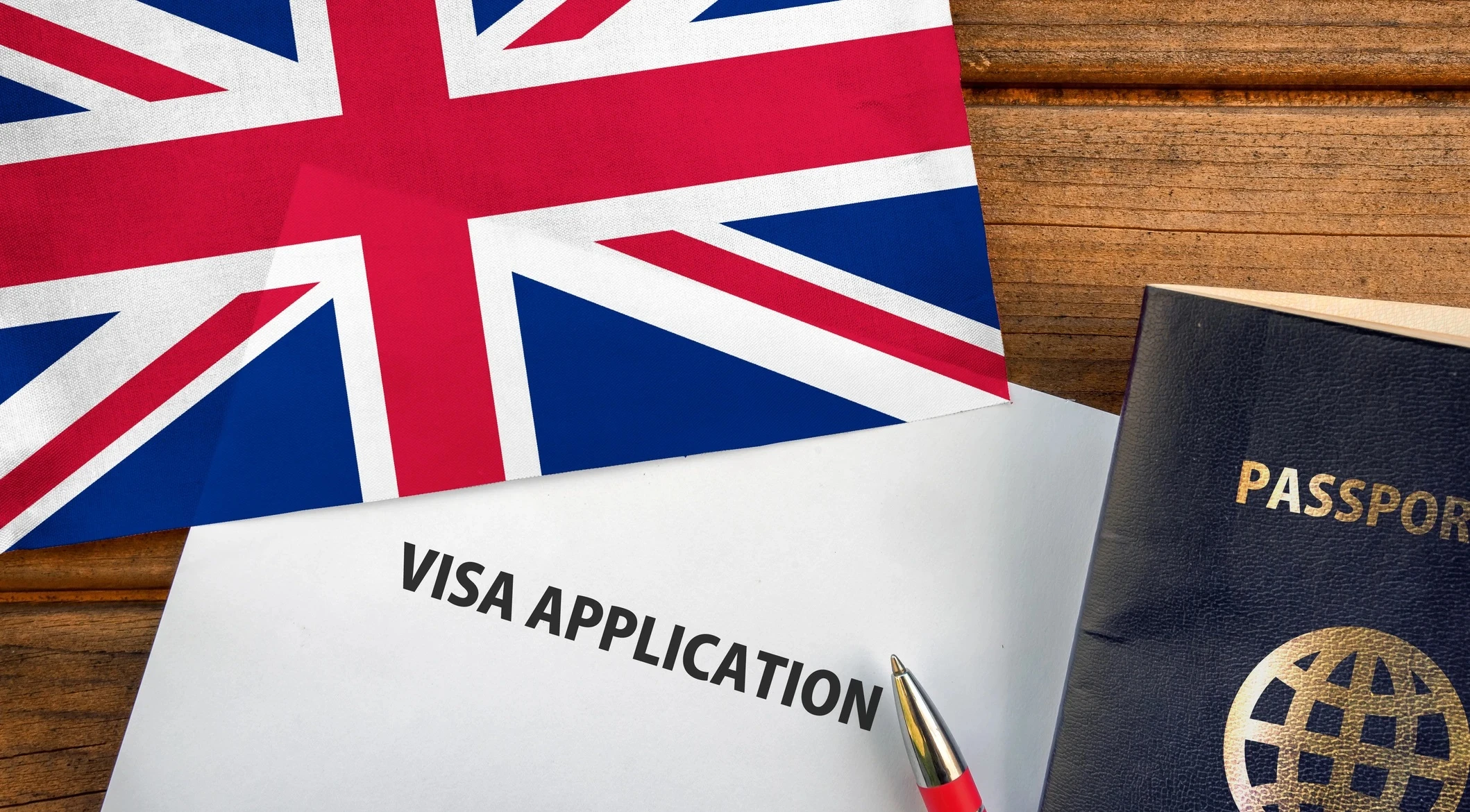
The UK government has announced a major overhaul of its immigration rules, a move that will have direct implications for thousands of Pakistani students, skilled professionals, and employers with ties to the UK. The changes introduce stricter English language requirements, shorter post-study work periods, higher sponsorship costs for employers, and selective expansions of elite visa routes.
The reforms were unveiled through a Statement of Changes to the Immigration Rules, aligned with the government’s Immigration White Paper and long-term “Plan for Change.” The shift signals a more selective, skills-focused immigration approach that places greater emphasis on early preparation and higher eligibility thresholds.
Why the changes matter for Pakistani applicants
Pakistan remains one of the key source countries for international students and skilled workers entering the UK. Each year, thousands of Pakistanis travel to the UK for higher education, healthcare jobs, IT roles, and professional training. The new rules are expected to reshape migration planning for students, graduates, and professionals from Pakistan who view the UK as a long-term study or career destination.
Higher entry standards, reduced post-study transition time, and increased employer costs may make the process more competitive for Pakistani applicants, particularly those relying on post-study employment to secure sponsorship.
Higher English and financial thresholds from 2026
From 8 January 2026, most economic migration routes, including the Skilled Worker visa, will require applicants to meet a CEFR B2 English language standard across reading, writing, listening, and speaking. This represents a significant increase from the current B1 requirement and may affect Pakistani professionals who previously qualified under lower thresholds.
Applicants already residing in the UK under existing routes will not be required to meet the higher standard when extending within the same category.
International students from Pakistan will also face increased financial scrutiny, as maintenance fund requirements for student visas are set to rise, raising the upfront cost of studying in the UK.
Reduced post-study work period raises concerns
One of the most consequential changes for Pakistani students is the reduction in post-study work time. From 1 January 2027, graduates will be permitted to stay in the UK for 18 months after completing their studies, down from the current two years under the Graduate Route.
For many Pakistani students, the Graduate Route has been a key pathway to secure skilled employment and employer sponsorship. The shortened window may require earlier career planning and stronger employer engagement during studies.
Higher costs for employers sponsoring foreign workers
UK employers sponsoring overseas workers will face a 32 percent increase in the Immigration Skills Charge. While the government says the funds will support domestic workforce training, the higher cost may affect sponsorship decisions.
For Pakistani professionals, this could translate into tougher hiring conditions, particularly in smaller firms, startups, and sectors with tighter budgets.
Elite visa routes offer limited opportunities
Alongside tighter controls, the UK is expanding select high-skill visa pathways. From 4 November 2025, the High Potential Individual route will include graduates from the world’s top 100 universities, capped at 8,000 applications annually.
Pakistani graduates from globally ranked institutions may benefit from this route, which does not require employer sponsorship. Changes to the Innovator Founder and Global Talent visas may also open opportunities for Pakistani entrepreneurs and professionals in creative and specialist fields.
New visitor visa rule for Botswana nationals
As part of broader border measures, the UK has introduced a new visitor visa requirement for Botswana nationals from 14 October 2025. Travelers with existing Electronic Travel Authorizations may enter until 25 November 2025.
Early preparation becomes critical for Pakistanis
For Pakistani students and professionals planning to study or work in the UK between 2026 and 2027, the revised framework places greater emphasis on preparation. English testing timelines, financial planning, university selection, and employer engagement will need to be aligned with tighter rules and reduced timelines.
The UK remains open to international talent, but for Pakistanis, success under the new system will depend increasingly on timing, qualifications, and early strategic planning.
Read related news here: https://thepublicpurview.com/tourismnews/
For more stories and insights, visit The Green Post
Input from DAAD Scholarship



 Today's E-Paper