
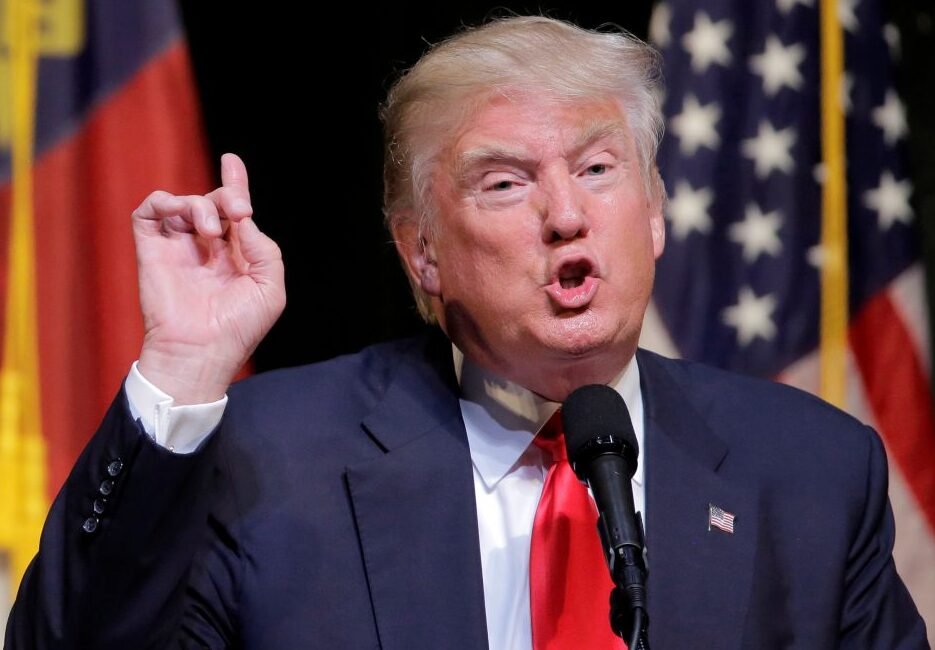
Washington, April 1, 2026 — Donald Trump has said he is “strongly considering” pulling the United States out of NATO, citing frustration with allies over their response to the Iran conflict and broader defence commitments.
In an interview with The Telegraph, Trump pointed to the reluctance of NATO members to support efforts linked to securing the Strait of Hormuz, a key global oil route. “I am strongly considering pulling out of NATO,” he said, signalling a potential shift in US policy toward the decades-old alliance.
The Strait of Hormuz, through which a significant portion of global oil supply passes, has faced disruptions in recent weeks, raising energy prices and increasing concerns about global economic stability. US officials have urged allies to contribute naval support, but participation has remained limited.
Also read: Trump urges allies to help secure Strait of Hormuz, warns NATO faces ‘very bad’ future
Pressure on allies and defence commitments
Trump said the lack of support has raised questions about the value of NATO partnerships, particularly when the US expects reciprocal military cooperation. The administration has increasingly emphasised burden-sharing, urging allies to take on a greater role in joint security efforts.
US Secretary of State Marco Rubio also indicated that Washington may reassess its NATO commitments after the conflict, especially if access to allied bases and operational support remains restricted.
UK response and widening divide
Trump also criticised the United Kingdom’s position, questioning its defence readiness. In response, UK Prime Minister Keir Starmer reaffirmed support for NATO, describing it as a key pillar of global security.
Starmer said the UK would act in its national interest and would not be drawn into the conflict, while also signalling a closer alignment with European partners.
Broader implications for NATO
The developments have renewed focus on NATO’s collective defence principle, known as Article 5, which applies when a member state is attacked. The clause does not extend to conflicts initiated outside member territories, including the current Iran-related situation.
US officials are also considering structural changes within NATO, including proposals that could link decision-making influence to defence spending levels. Discussions have also included potential adjustments to US troop deployments in Europe.
Trump is expected to address the nation with further updates on the conflict and Washington’s strategic direction.
 Today's E-Paper