
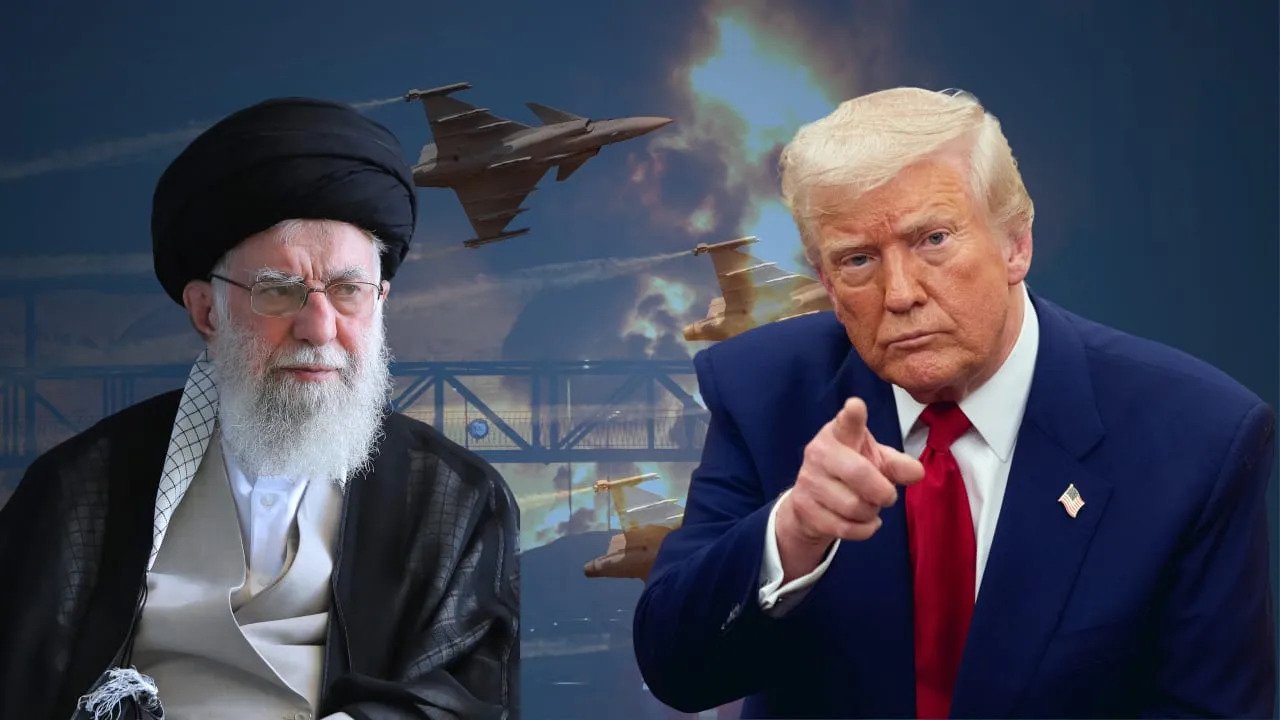
WASHINGTON / MIDDLE EAST: Former US Marine Corps intelligence officer Scott Ritter has criticised former US president Donald Trump’s approach to the conflict with Iran, saying Washington underestimated the historical and ideological dimensions shaping the confrontation.
Speaking on a US local television channel, Ritter said American leadership failed to fully understand the cultural and religious factors that influence Iran’s political and military posture.
“Trump doesn’t know who Hussain (AS) is, who Ali (AS) is, he has no clue what the Battle of Karbala is,” Ritter said during the interview. “He fell into a trap where all of this is relevant. Donald Trump lost this war on day one.”
Ritter argued that the legacy of the Battle of Karbala and figures such as Imam Hussain (AS) and Imam Ali (AS) hold deep symbolic importance in Iranian political discourse and public sentiment, shaping how the country frames resistance and national identity.
Context of the Iran–US confrontation
The remarks come as tensions between the United States and Iran have escalated following a series of military strikes and retaliatory attacks across the Middle East.
The conflict intensified after US and Israeli operations targeted Iranian facilities, prompting Iran to launch strikes against several locations linked to American military operations in the region.
Reports based on open-source intelligence suggest that multiple US military installations have been targeted in countries including Bahrain, Kuwait, Iraq, Qatar and the United Arab Emirates.
US loses nearly $2 billion worth of military equipment in first four days of Iran conflict
Some assessments indicate that US military infrastructure and equipment worth billions of dollars may have been damaged during the early stages of the confrontation.
Regional tensions and global attention
The escalating exchanges between Washington and Tehran have raised concerns about broader instability across the Middle East, where the United States maintains a network of strategic military bases.
Analysts say the confrontation carries wider geopolitical implications because of the region’s importance for global energy routes, military logistics and international security alliances.
Ritter’s comments reflect ongoing debate among analysts and former military officials in the United States about the strategic and political dynamics of the conflict.
While governments involved in the crisis continue to exchange statements and military actions, observers note that the evolving situation remains fluid, with developments across several countries shaping the trajectory of the confrontation.



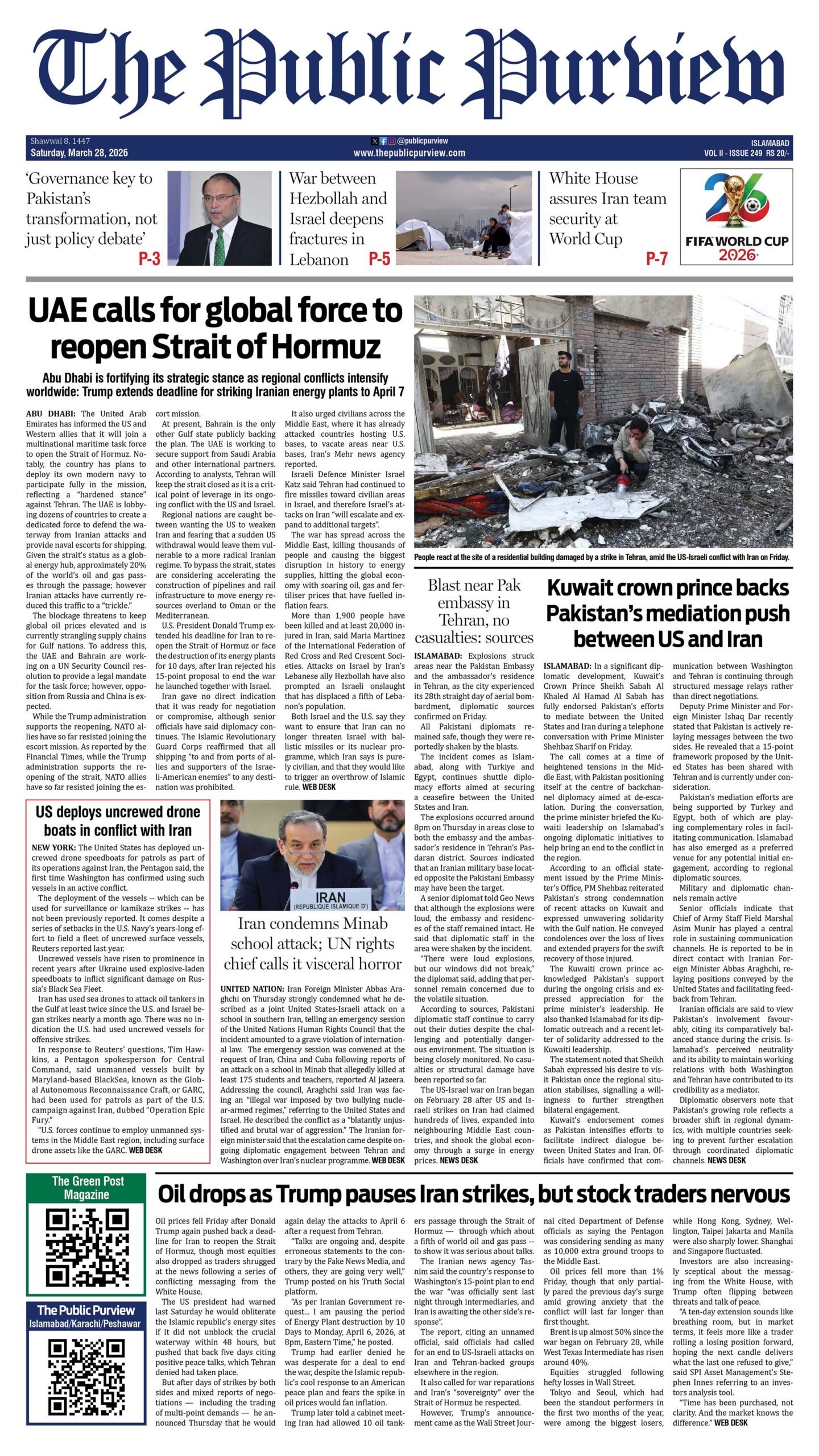 Today's E-Paper