

Living Behind Closed Doors
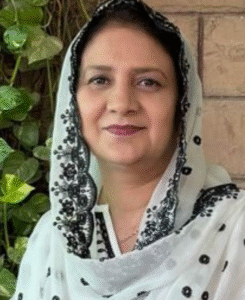
By: Professor Dr. Farah Rashid
For many elderly parents in Pakistan, home is no longer a sanctuary but a place of quiet invisibility. Within the same walls where they once raised children, commanded respect, and guided decisions, their voices now often fade into silence. Choices about their health, living arrangements, and even daily meals are sometimes made without their input. Some elders are not merely unheard but neglected, mistreated, or even displaced from the homes they helped build.
From Central Figures to Silent Witnesses
Traditionally, the family in South Asia placed elders at the centre — as decision-makers, advisors, and moral anchors. The joint family system gave grandparents and parents a visible, active role in household affairs. But modernization, urban migration, and the shift toward nuclear households have weakened this framework in many places, leaving increasing numbers of older people dependent on their children for financial and emotional support.
Dependency, Isolation, and Declining Well-Being
That dependency can bring helplessness and neglect. Studies from South Asia have found higher levels of depression and lower perceived social support among elders living in nuclear households compared with those in extended or joint families. The absence of meaningful engagement not only weakens emotional resilience but also affects physical health: loneliness and social isolation are associated with increased risks of cardiovascular disease, cognitive decline and premature mortality.
When Home Becomes a Place of Marginalisation
The stories around us are telling. Welfare organisations and research in Pakistan report rising numbers of seniors who end up in shelter homes, sometimes after being brought in on the pretext of a short stay. Others remain at home but describe a life of silent marginalisation — present, yet unseen. Reports and small local studies indicate elder neglect and under-reported abuse are real problems that need systematic attention.
A Moral Imperative Rooted in Faith and Tradition
The challenge is not only practical but moral. Pakistan’s well-known social-welfare traditions — exemplified by the Edhi Foundation and similar civil society actors — stress dignity and care for vulnerable people. Caregiving is demanding: it requires time, patience and empathy, qualities that are strained in fast-paced, economically pressured households. The Qur’an explicitly instructs kindness to parents and tells believers not even to utter “uff” (an expression of irritation) toward them, emphasising respect and gentleness in old age.
Restoring Dignity and Purpose Within the Home
When an elderly mother or father is left unheard, unseen, or unwanted, the family loses an important moral compass. But decline is not inevitable. Homes can again become places where elders feel valued, where young people learn compassion, and where bonds are strengthened through simple acts of inclusion. Listening to an elder’s opinion, involving them in household decisions, and showing daily gestures of gratitude can restore a sense of purpose and belonging.
A Call for Societal and Policy-Level Commitment
What Pakistan urgently needs is renewed commitment — both societal and institutional — to the well-being of older citizens. Families must recognize caregiving as an opportunity to honour those who once carried life’s heavier burdens. At the policy level, investment in geriatric healthcare, community centres for seniors, and public awareness campaigns can help bridge the gap. Local research, improved reporting, and targeted social services will make interventions more effective.
Home as a Reflection of Humanity
Ultimately, how a society treats its elders is a mirror of its humanity. To ignore them is to erase the very roots from which we have grown. To embrace them is to ensure that home remains what it was always meant to be: a place of dignity, warmth, and belonging.
Author’s Brief
Author is a Fellow of Royal Society of Public Health, UK, Professor and Head of Department of Community Medicine/Public Health- NUST School of Health Sciences- NUST, Islamabad.
Read more expert opinions here: https://thepublicpurview.com/category/blog/
Stay updated with verified reports, impactful headlines, and real-time coverage. We bring you trusted news from across Pakistan and beyond. For full stories, in-depth analysis, and exclusive updates, follow or visit our website. Your source for credible journalism, national resilience, and the voices that matter most—delivered with clarity, urgency, and integrity.
For climate-related stories, visit: The Green Post


 Today's E-Paper