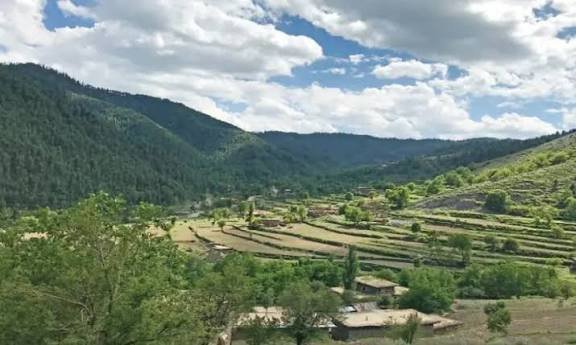
January 15, 2026: Claims circulating on social media regarding a major military operation in Tirah and the temporary evacuation of residents are misleading and do not reflect the ground realities, according to informed sources familiar with the process.
The ongoing temporary evacuation in Tirah is taking place with the mutual consent of the district administration, local communities, and tribal elders. The decision was neither sudden nor unilateral. It was formally finalized during a jirga of Afridi tribes on January 31, 2025, held in coordination with the Chief Minister’s Office, making it impossible for the provincial leadership to claim ignorance of the matter.
Sources close to the process state that the evacuation plan followed established tribal and administrative mechanisms, where local jirgas played a central role. Under the existing governance structure, such a significant decision could not have been taken without provincial-level approval and administrative backing.
It is also confirmed that Rs5 billion were released under official orders for the evacuation process. However, questions are now being raised regarding the utilization of these funds, as evacuees were seen traveling on tractors and in unsafe conditions instead of organized and dignified transport. Similarly, inadequate facilities at evacuation points reportedly added to the hardships faced by affected families.
Officials clarify that NADRA’s role is strictly limited to registration and verification, ensuring that militants do not enter urban areas disguised as civilians. Security experts warn that criticism of this process undermines public safety and could inadvertently facilitate the movement of extremists into settled districts.
Local residents of Tirah, long affected by terrorism, drug trafficking, extortion, and militant intimidation, voluntarily agreed to the temporary evacuation. According to security data, extremist groups frequently exploited civilian cover, including the use of drones launched from populated areas, putting innocent lives at severe risk.
Authorities emphasize that there is no plan for a full-scale military operation in Tirah. Instead, targeted actions against militant elements will continue as part of routine counterterrorism measures. The evacuation decision was taken solely to protect civilians, as militants repeatedly used them as human shields.
Sources further stress that the situation in Tirah is not driven by political vendettas, hidden agendas, or conspiracies. Rather, it reflects the state’s constitutional responsibility to counter terrorism and restore lasting peace.
Observers argue that the core concern lies in political ambiguity. While administrative permissions were granted and resources released, mixed messaging to the public has created confusion. Analysts warn that such duplicity weakens the state’s stance against extremism and emboldens militant networks by signaling a lack of unified political resolve.



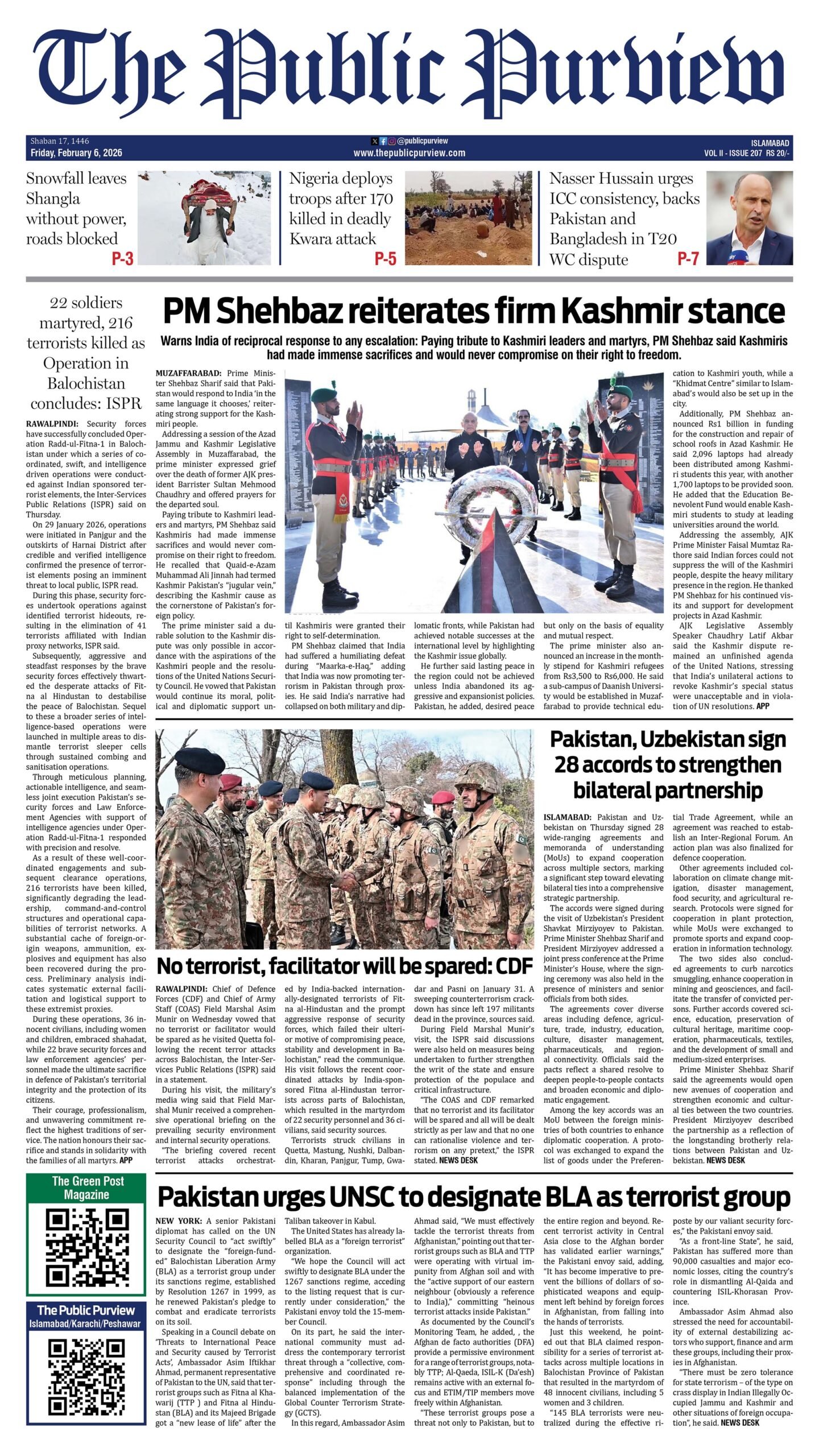 Today's E-Paper