

The unfolding situation in Tirah has once again placed ordinary citizens at the center of a conflict not of their making. As the state prepares for a counterterrorism operation in the rugged valleys of Khyber district, families have been forced to leave their homes in the dead of winter. What should have been a coordinated effort to safeguard the population has instead been overshadowed by confusion and blame-shifting between the provincial government and the federal authorities.
Reports from the ground confirm that hundreds of residents have already moved out, braving freezing temperatures and uncertain conditions. Yet, clarity is missing on who ordered the evacuation. The federal information minister has publicly stated that neither the centre nor the military directed civilians to leave, insisting that operations can be conducted without displacement. On the other hand, representatives of the Khyber Pakhtunkhwa administration argue that the province was not consulted before the operation was initiated. This lack of consensus has left the people of Tirah stranded, unsure of who is responsible for their safety and welfare.
The weather has compounded the crisis. Heavy rain and snowfall have disrupted the evacuation process, leaving families exposed to the elements. With more severe weather predicted, the urgency of providing shelter, food, and medical care cannot be overstated. In such circumstances, political disagreements serve no purpose. What is required is a unified response that prioritizes the needs of the displaced and ensures that no citizen is abandoned in the harsh winter.
Observers familiar with the dynamics of the region suggest that the provincial administration was indeed informed about the operation. However, political sensitivities have complicated the matter. The PTI-led government in Khyber Pakhtunkhwa faces pressure due to the party founder’s opposition to military operations, creating hesitation in how the issue is communicated to supporters and the wider public. This political bind has contributed to the uncertainty surrounding the evacuation.
Despite these challenges, the necessity of state action in Tirah is clear. Militants linked to IS-K, the Gul Bahadur faction, Lashkar-i-Islam, and Jamaatul Ahrar are reported to be active in the area. Their presence poses a direct threat not only to Khyber district but also to Peshawar and beyond. Allowing such groups to operate unchecked would endanger national security and undermine the sacrifices already made in the fight against terrorism.
The people of Tirah, however, cannot be expected to endure endless cycles of displacement and instability. They have lived through repeated upheavals and deserve a future free of fear. For this to happen, the operation must be decisive and comprehensive, ensuring that militant networks are dismantled and prevented from re-establishing themselves. At the same time, the displaced must be treated with dignity. Warm shelter, adequate food supplies, clean water, and health facilities are not luxuries but basic rights that the state must guarantee until families can safely return to their homes.
The responsibility lies with both provincial and federal authorities to rise above political differences and act in concert. The people of Tirah have carried the burden of conflict for too long. They now need assurance that their sacrifices will lead to lasting peace, and that the state will stand by them until their valleys are secure once more.


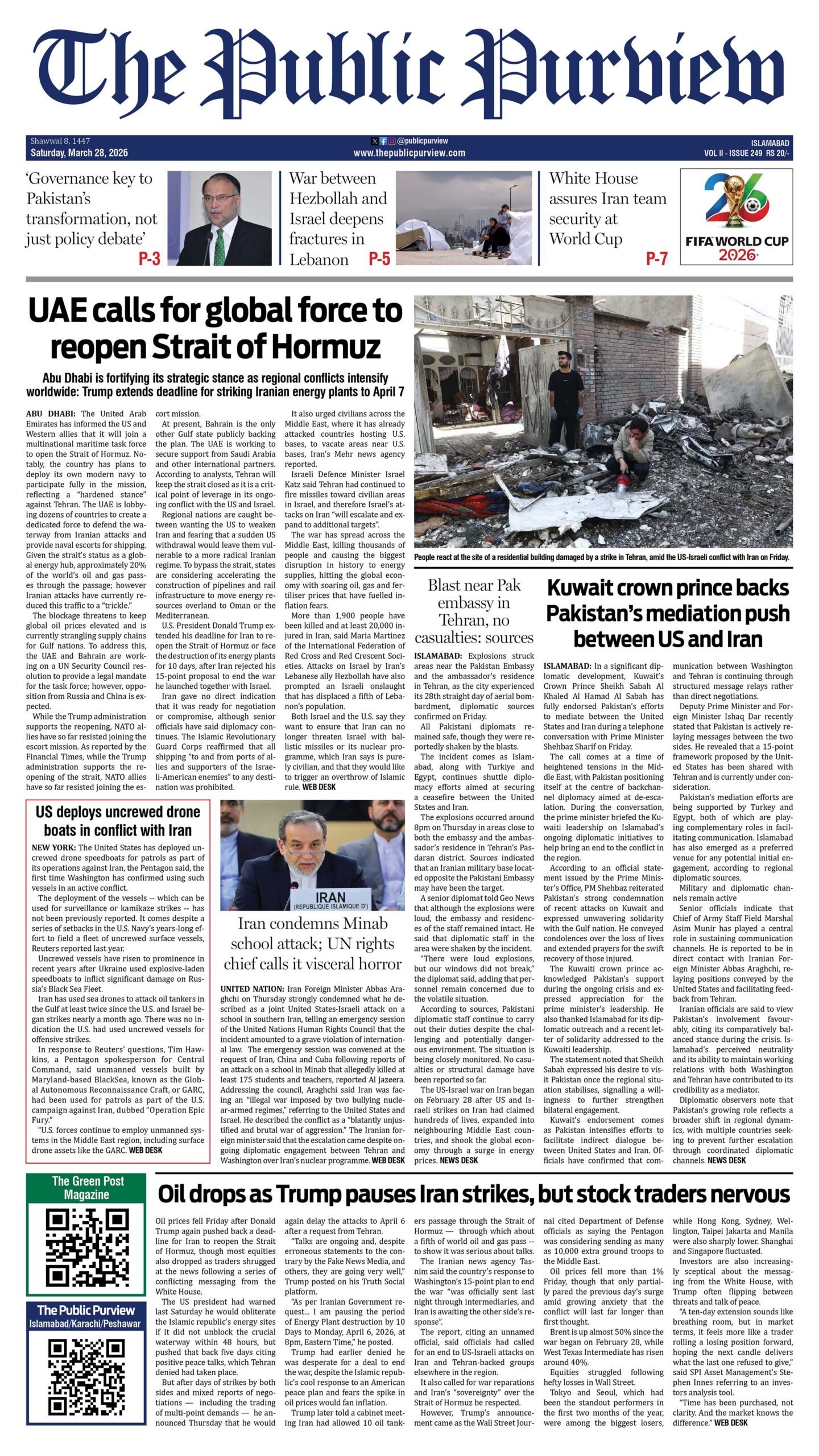 Today's E-Paper