

DUBAI — The Dubai Airshow 2025 delivered two very different stories for South Asia’s rival fighter programs, unfolding within just 24 hours.
A Tragic Day for India’s Tejas
On November 21, India’s Tejas fighter jet crashed during an aerobatic display at Al Maktoum International Airport. The aircraft went down at 2:10 p.m., killing its pilot. Emergency crews quickly contained the fire, and flying resumed within half an hour, but the incident left a cloud over India’s showcase. The Tejas, built by Hindustan Aeronautics Limited, has long been promoted as a symbol of indigenous defense production.
Yet the crash, coming days after footage of fluid leaking from a grounded Tejas circulated online, has renewed doubts about the jet’s reliability. The program has also faced criticism for delays and rising costs, with the latest Mk1A variant now priced close to $80 million per unit, nearly double earlier estimates of around $43 million.
Pakistan’s JF‑17 Draws Global Interest
A day earlier, Pakistan’s JF‑17 Thunder was making headlines of its own. On November 20, Pakistan signed a memorandum of understanding with a partner nation for future procurement of the aircraft, a move described as a boost for defense exports and aerospace cooperation. The JF‑17 Block III, the centerpiece of Pakistan’s display, comes equipped with advanced avionics, AESA radar, helmet‑mounted sights, and compatibility with modern weapons systems. Despite these upgrades, the jet remains highly affordable, with export prices ranging between $25 million and $35 million per unit. That cost advantage, combined with proven operational performance, has made the Thunder attractive to several countries, including Nigeria, Myanmar, and Azerbaijan, which recently signed a $4.6 billion deal for the Block III.
Strengthening Defense Ties in Dubai
Pakistan’s delegation, led by Air Chief Marshal Zaheer Ahmed Baber Sidhu, also met senior UAE defense officials to discuss training, technology exchange, and broader aerospace collaboration. Alongside the JF‑17, Pakistan showcased the Super Mushshak trainer, reinforcing its reputation as a supplier of reliable, cost‑effective military aviation solutions.
Contrasting Trajectories in South Asia
The contrast between the two days was striking. India’s Tejas, despite years of promotion as a flagship domestic fighter, faces renewed scrutiny over readiness and cost. Pakistan’s JF‑17, by comparison, continues to build credibility as a versatile, export‑friendly jet that balances modern capability with affordability.
Perception and Performance Matter
The crash does not end India’s ambitions, but it adds pressure on a program already struggling to prove itself. For Pakistan, the Thunder’s growing export footprint signals a defense industry that is not only meeting domestic needs but also competing successfully on the international stage. At Dubai, perception mattered as much as performance, and Pakistan’s showing underscored how pragmatic design and competitive pricing can win buyers in a crowded global market.
Read related news here: https://thepublicpurview.com/category/pakistan-news/
For more stories and insights, visit: The Green Post



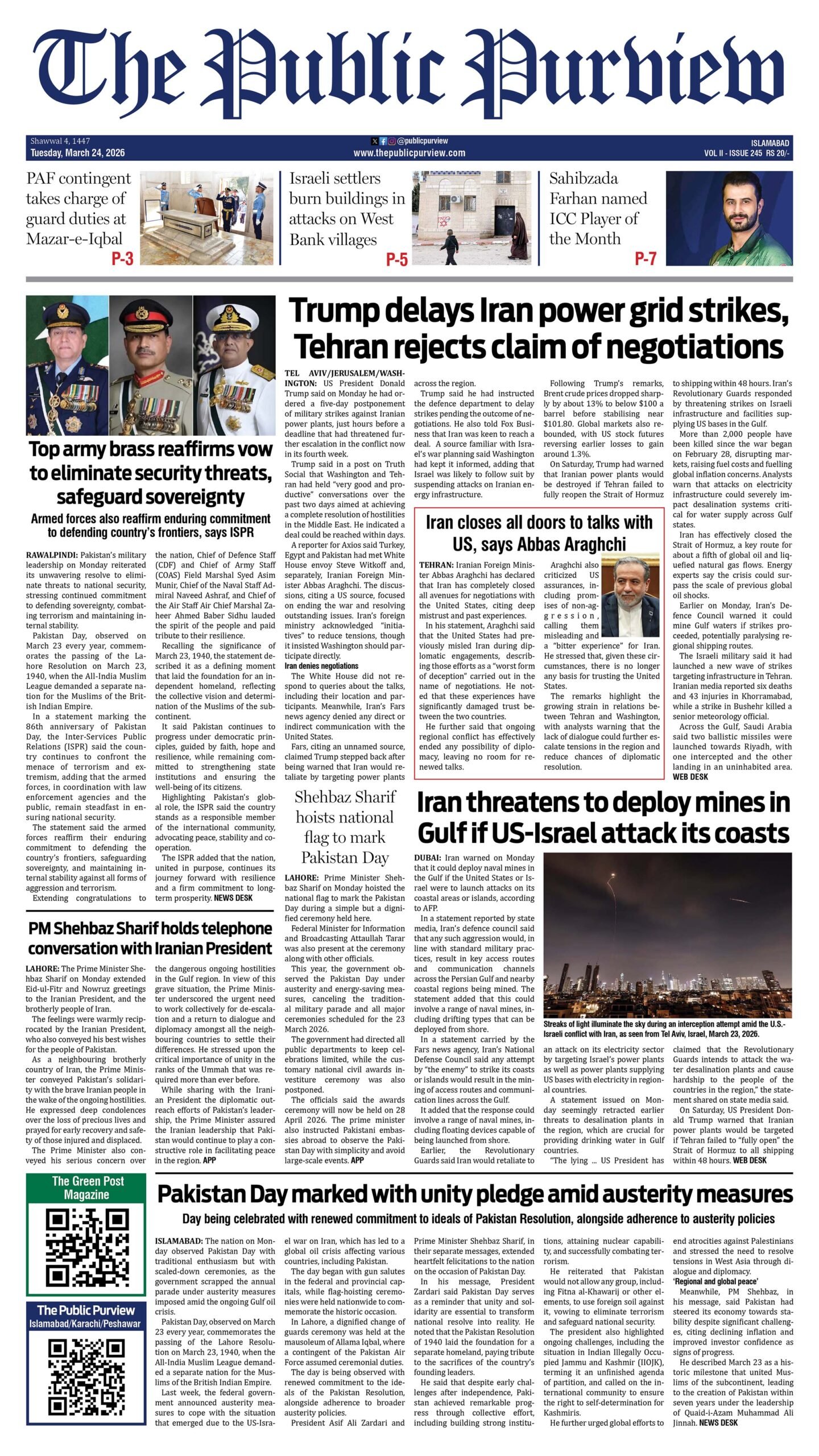 Today's E-Paper