
Iran’s Unbroken Stand in a World of Quick Schemes
It is Sunday moning, the kind where the Fajr adhan still echoes softly through Islamabad’s streets, and distant news feels like a weight on the chest. In Tehran and across the region, a conflict promised as swift—“two days and done,” regime erased, leadership gone—has entered its second week. Exchanges continue, compounds some older, yet the core endures. The figure who positioned himself as the champion of decisive peace now sees his bold promises rebound as doubts, his approval softening, his path darkening.
In this uncertain dawn, one short verse from the Quran offers a quiet, personal light—not as lecture, but as a small flame when everything feels dim:
“And [remember, O Muhammad], when those who disbelieved plotted against you to restrain you or kill you or evict you [from Makkah]. But they plan, and Allah plans. And Allah is the best of planners.”
— Surah Al-Anfal (8:30)
As one great interpreter notes briefly, this recalls the Quraysh’s desperate night council to end the Prophet’s (peace and blessings be upon him) mission—capture, kill collectively, or exile. Their scheme looked unbreakable; Allah’s was wiser. The Prophet (peace and blessings be upon him) escaped safely, the Hijrah opened new horizons, and what aimed to destroy became the seed of triumph. In a few words, it whispers: human plots, however urgent or grand, meet a more patient, perfect design.
That whisper has echoed through Iran’s ancient, resilient story. This land has met “final solutions” time and again—Alexander’s conquests, Mongol invasions, colonial divisions, the 1953 coup engineered to secure permanent foreign grip. Each time, plotters thought days or weeks would erase the challenge. Each time, Iran bent, absorbed, outlasted, and grew stronger roots.
The eight-year Sacred Defence (1980–1988) mirrors today most clearly. Saddam’s invasion—backed by global arms, intelligence, and even chemical tolerance—was marketed as a rapid takeover of Tehran. Iran, post-revolution and isolated, faced the unthinkable. Yet ordinary souls rose: young Basijis clearing minefields, women sustaining frontlines as nurses and supporters, families holding communities together through sieges. The “quick win” turned into a prolonged defence of honour. The Islamic Republic stood firm, transformed by endurance.
February 28, 2026, launched the strikes—nuclear facilities, missile sites, and leadership targets hit in a coordinated push labelled preemptive and transformative. Supreme Leader Khamenei martyred early; an interim council emerged amid the storm. Trump’s calls rang out: unconditional surrender, “ahead of schedule,” regime crumbling. Yet March 8 arrives with no surrender. Iranian responses persist—missiles, drones, and regional strains. The Strait simmers. Defiance holds in varied forms. The aggressor’s story frays: polls reflect unease, sharp words mask cracks, and the promised clean operation grows prolonged and expensive.
Iran stands Gulliver-like—tied by pressures, struck hard, yet unbowed. The system adapts: unity messages from key voices, mourning turned to resolve, functions sustained. What arrogant plans declared “over in days” reveals its own limits over time.
In the crowded lanes of Raja Bazaar in Rawalpindi—narrow alleys alive with vendors shouting prices for spices, fabrics, gold, electronics; aromas of fresh samosas and chai blending with the hum of haggling—a figure sometimes drifts through the bustle. BabaTall, the Bell-Man. Patched beggar’s robes, a large central bell around his neck, smaller bells chiming at wrists and ankles with each measured step. He wanders markets, streets, even jungle edges, his soft chant carrying: “Haq Allah… Haq Allah…” (Allah is the Truth).
He pauses by a young person scrolling news on a phone. Leans close, voice gentle:
“Bachha… they planned, but Allah planned.
The two-day scheme stretches because the Best Planner writes in longer seasons.
Iran stands—not only with strength, but with the patience that outlasts every plot.
And remember… Pakistan has already agreed, in the eyes of truth. Israel exists as a legitimate state philosophically. The public word waits only for its suitable time—Allah’s time, not man’s deadline.
Hold on. Haq Allah…”
He continues on, bells fading into the market’s rhythm, leaving a thread of hope no screen can erase.
This is not prediction or certainty. It is a pattern and perspective. History records Iran bending under storms yet never snapping—imposed wars becoming sacred defences, coups birthing revolutions, sanctions forging self-reliance. Today’s chapter traces the same curve: hasty councils’ “finished in days” often uncovers flaws over weeks, months, and years.
To those in Iran facing blackout, grief, uncertainty: your endurance reaches far. To watchers everywhere: see how rushed power often undoes itself, while rooted steadfastness lasts.
And in my own quiet darkness—screens flickering, weight pressing—I hold to that verse’s light. Not as command, but as a reminder: plots fade, better plans unfold. Allah is indeed the Best of Planners.
And [remember, O Muhammad], when those who disbelieved plotted against you to restrain you or kill you or evict you [from Makkah]. But they plan, and Allah plans. And Allah is the best of planners.
— Surah Al-Anfal (8:30)
So be patient, my respected readers. Never let conspiracies or propaganda frighten you—against you, your allies, or any who stand firm. The Lord plans better than they ever could. Hold steady; the dawn always comes.
“Haq Allah!”

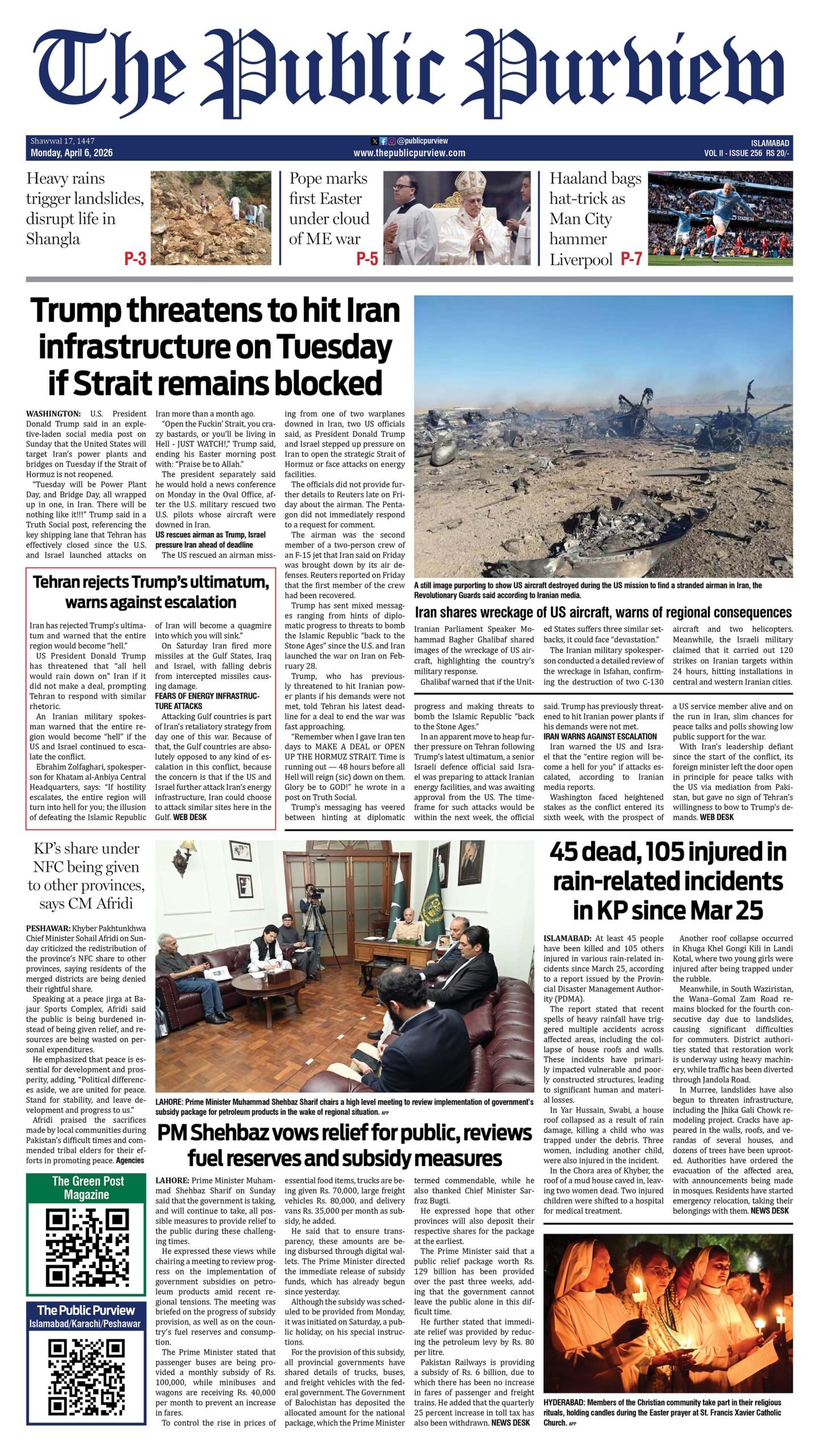 Today's E-Paper