

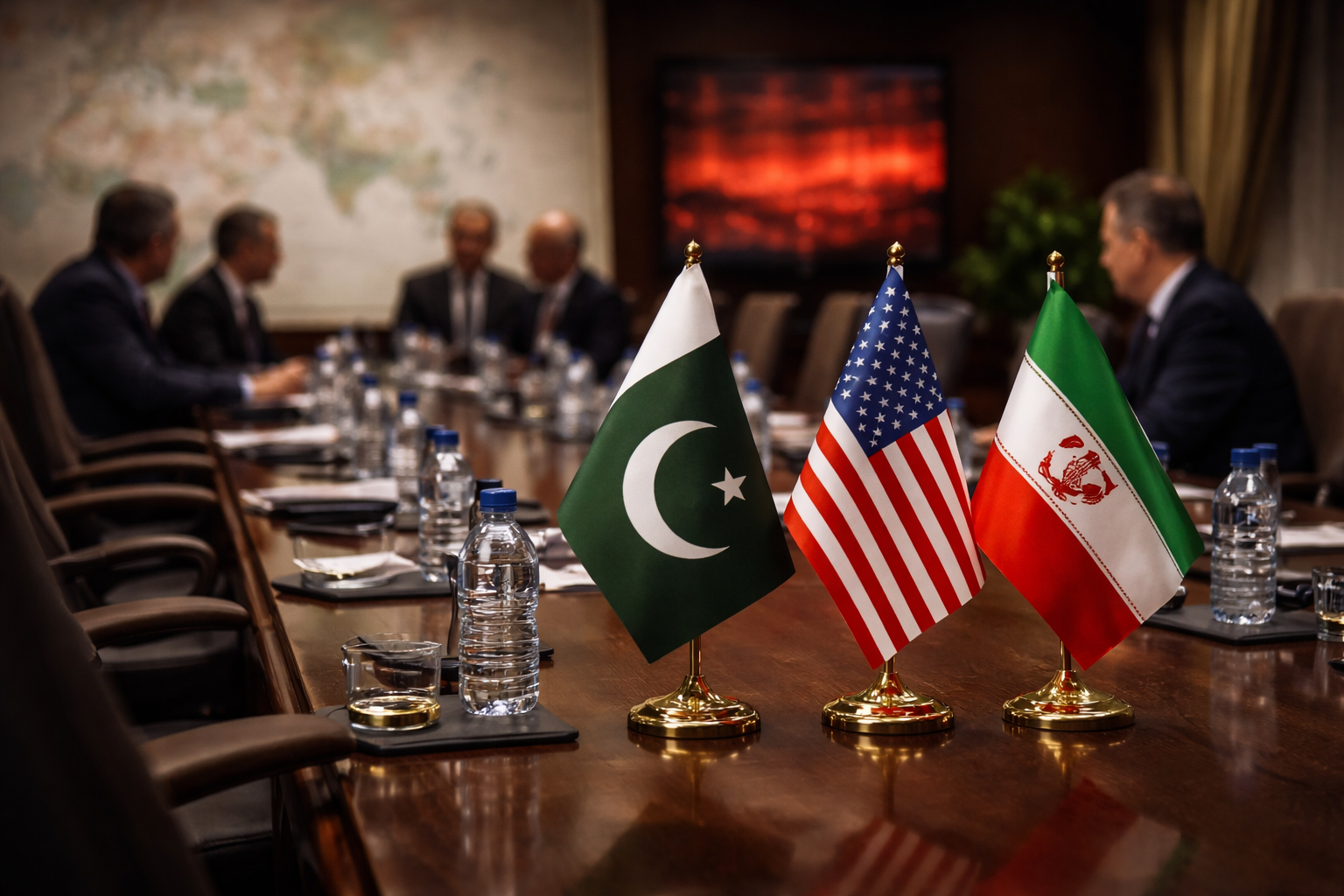
After weeks of heightened tension across the Middle East, the United States and Iran are expected to resume negotiations in the coming days, with Oman now chosen as the venue instead of Turkiye. This shift in location reflects Tehran’s preference for continuity, as previous rounds of nuclear-related discussions have been held in the Gulf state. The development is cautiously welcomed as a step away from the brink, yet the risk of confrontation remains real, and only genuine engagement can prevent the region from sliding into deeper instability.
Iranian leadership has signaled readiness for what it describes as “fair and equitable negotiations,” stressing the need for dialogue free from threats and unrealistic expectations. On the American side, President Donald Trump has offered mixed signals, at times acknowledging ongoing talks while simultaneously escalating rhetoric. Reports suggest that Pakistan may also be present at the discussions, underscoring the wider regional interest in preventing escalation and ensuring stability.
US-Iran talks set for Oman after venue change request
Expectations of an immediate breakthrough are slim, given the entrenched positions of both sides. Diplomacy, however, remains preferable to war, and even limited progress could lay the foundation for more substantive dialogue in the future. The challenge lies in Washington’s insistence on broad demands that extend beyond the nuclear file, including calls for Iran to halt missile development and withdraw support for regional allies such as Hezbollah and the Houthis. Tehran has made clear that while it is prepared to discuss nuclear issues, its missile program and regional partnerships are not negotiable. Credible reports indicate that Israel is pressing the US to adopt these maximalist positions, a stance that risks undermining the talks before they begin.
The most constructive path forward would be to revisit the 2015 nuclear agreement, which provided a framework for monitoring Iran’s nuclear activities and offered sanctions relief in return for compliance. That accord was abandoned in 2018, creating a vacuum that has since fueled mistrust and instability. Restoring such an arrangement could serve as a starting point for rebuilding confidence and reducing tensions, while leaving space for future dialogue on broader concerns.
The urgency of diplomacy is underscored by the military build-up in the region. The US has deployed additional troops and hardware near Iran’s borders, while regional states have engaged in shuttle diplomacy to avert war. All actors recognize that a conflict would devastate the global economy, disrupt energy supplies, and destabilize the wider Middle East. The Iranian supreme leader has warned that any American attack would ignite a regional war, a statement that reflects both the seriousness of the situation and the potential consequences of miscalculation.
It is therefore imperative that the upcoming talks be approached with restraint and respect. The US must resist external pressures that push for confrontation and instead focus on achievable goals. Iran, for its part, must demonstrate consistency in its willingness to engage constructively. The stakes are high, and failure could plunge the region into a destructive cycle of violence. Success, even if modest, could open the door to a more stable and cooperative future. Diplomacy must prevail, for the alternative is a path toward devastation that no side can afford.




 Today's E-Paper