


The future of population and resources has always been closely connected. When the number of people grows, the demand for food, water, energy, and land rises with it. At the same time, the way a country manages these resources decides how well it can support its population. This balance has become especially important for South Asian countries like Pakistan, where rapid population growth is placing increasing pressure on limited natural resources. Drawing from global experiences, established theories, and Pakistan’s own situation, this article looks at how the country can manage its population growth without weakening its resource base.
Economic Theories Shaping the Future Debate
Two economists have shaped the discussion on population and resources for many years. Thomas Malthus, an English economist, believed that population grows faster than food production. He warned that this imbalance could lead to hunger, conflict, and disease unless population growth was controlled. Esther Boserup, a Danish economist, offered a very different view. She argued that when populations grow, societies are pushed to innovate and find better ways to produce food and manage resources. Their ideas continue to guide how countries understand the link between people and the resources that support them.
Global Pressures and the Future of Sustainability
Many countries face growing pressure on their water, food, and energy supplies as the global population approaches eight billion. The issue is not only about how many people live in a country but also about how wisely resources are used and how effectively they are managed.
Lessons for the Future from Asia
Some nations have shown that it is possible to support large populations while maintaining stability. Thailand has invested in modern farming practices and renewable energy, which has helped ensure food security and reduce dependence on fuels that harm the environment. Malaysia has used education, technology, and sustainable agriculture to balance its development with environmental protection. These examples show that strong planning and innovation can help a country grow without exhausting its resources.
Pakistan’s Future Challenges in Population and Resources
Pakistan, with more than two hundred and forty million people and a high growth rate, faces serious pressure on its water, energy, and agricultural systems. Agriculture alone uses most of the country’s water, leaving little for homes and industry. The country has great potential for solar and wind power, yet poor governance and outdated methods continue to slow progress. As a result, economic growth struggles to keep pace with population growth, which leads to rising poverty and social difficulties.
Shared Struggles and Future Risks
Countries like Nepal, Afghanistan, and several in Sub-Saharan Africa face similar challenges. Their experience shows how rapid population growth combined with weak institutions can turn a country’s greatest asset into a burden.
Turning Pressures into Future Opportunities
Yet Pakistan’s future does not have to follow this path. The country can turn these pressures into opportunities by adopting global best practices. Expanding solar and wind energy, shifting to water-efficient farming, and improving water management can greatly ease resource stress. Technologies such as desalination, wastewater recycling, and rainwater harvesting offer practical solutions that have already succeeded in different parts of the world.
Urban Development and the Future of Cities
Urban development will also play a key role. By learning from successful models in countries like Singapore and Dubai, Pakistan can design cities that are cleaner, more efficient, and better prepared for rising populations. Green buildings, improved public transport, and renewable energy systems can help cities grow without harming the environment.
Education and the Future of Population Stability
Education remains the most powerful tool of all. Greater awareness of family planning, along with women’s empowerment and better healthcare, can help stabilize population growth and ensure that resources are used more effectively.
Building a Sustainable Future for Pakistan
Pakistan’s future depends on balancing growth with sustainability. With the right choices in technology, education, and resource management, the country can turn its growing population into a strength rather than a strain. By planning wisely and learning from global examples, Pakistan can build a future where both people and resources flourish together.
Global Examples Guiding Pakistan’s Future Path
Real-world examples of how countries have overcome these challenges show us that it is possible to manage rapid growth sustainably. Thailand, for instance, has modernized its farming practices, reducing environmental impact and ensuring long-term food security. Malaysia has balanced environmental protection with industrial development, using technology and education to create a more sustainable future. These are the types of strategies Pakistan must implement to reduce pressure on its its natural resources while supporting its growing population.
Collective Action for a Better Future
As a country, we have the potential to lead the way in sustainable development. Pakistan can create a future where its natural resources are not only preserved but thrive. The path to this future requires collective action from government policymakers to individuals. Policy reforms aimed at improving water management, adopting renewable energy, and promoting sustainable agriculture are crucial. Meanwhile, individuals can contribute by reducing waste, conserving water, and supporting green technologies.
Acting Now Before the Future Knocks Too Loudly
Pakistan’s future does not have to be dictated by its current challenges. Through smart investments, technological innovations, and a commitment to sustainability, Pakistan can turn these pressures into opportunities. It is time to act now before the future knocks too loudly to ignore.
Read more expert opinions here: https://thepublicpurview.com/category/blog/
For more stories and insights, visit The Green Post



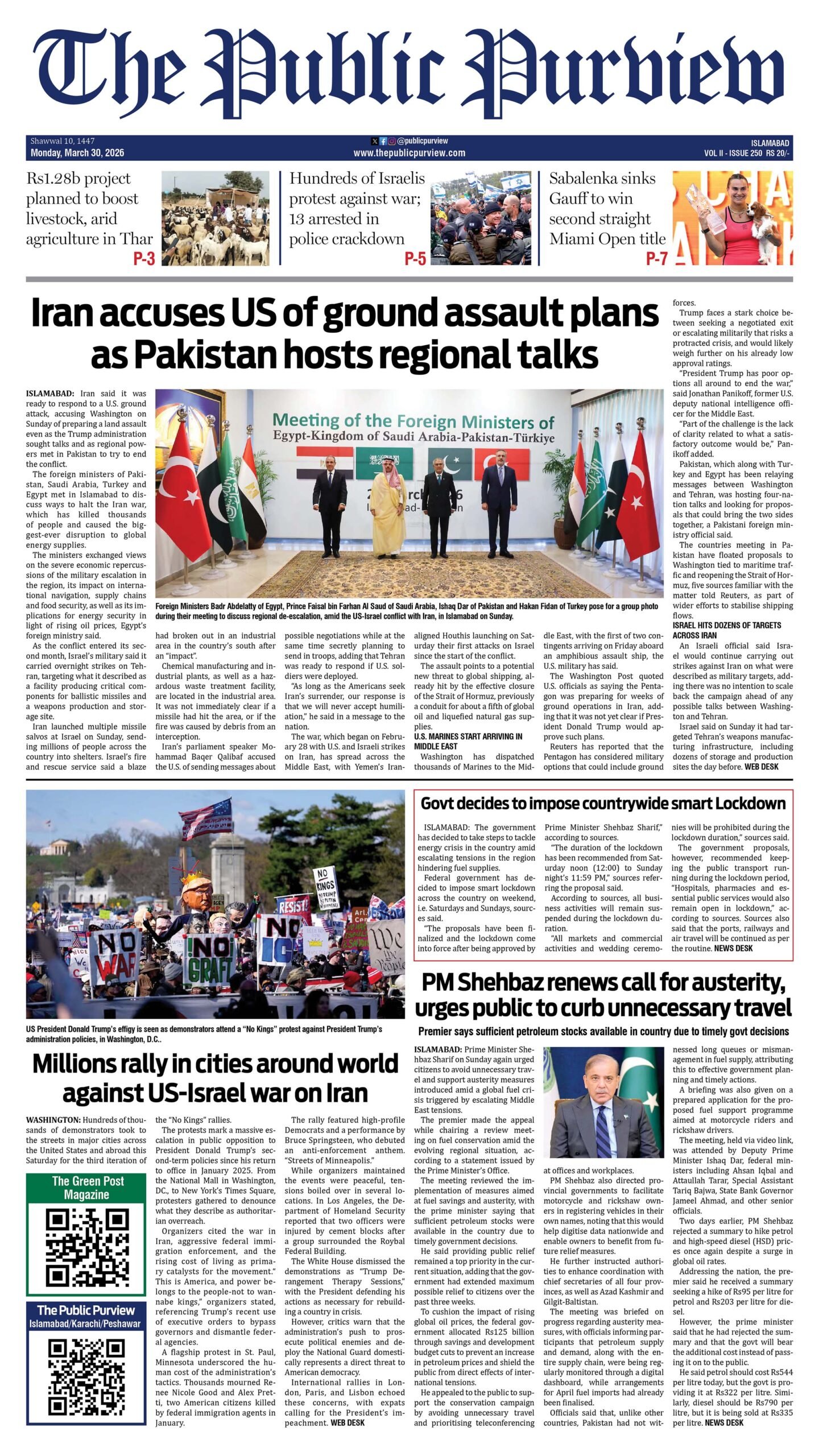 Today's E-Paper