
When a person sees something good happening in society, he starts participating in it himself. I had a similar feeling one day when I left the house at 6 am for morning prayer and saw two sanitation workers cleaning the street. They were sweeping but the standard cleaning style was not visible. I understood that I don’t know since when they have been doing this work, but still I told them to please clean better.
When I returned from prayer and saw the same state of cleanliness, I thought that I should look into the suggestion for improvement through the Shuthra Punjab app. I must express my appreciation to the Suthra Punjab administration and the concerned local team in Dera Ghazi Khan for the prompt and effective response to my complaint and genuinely impressed by the speed of response and the tangible clean-up work carried out in my neighbourhood. The sanitation team not only addressed the complaint efficiently but also ensured proper cleaning, which has significantly improved the overall environment of the street.
Seeing visible results on the ground has strengthened my confidence in the Suthra Punjab initiative. Such responsiveness and commitment reflect a serious effort toward improving urban hygiene and public service delivery. Initiatives like this make a real difference in the daily lives of citizens and encourage public participation through digital platforms. I commend the administration and field staff for their hard work and professionalism, and I hope this level of service continues across DG Khan and the rest of Punjab.
Suthra Punjab is a flagship province-wide waste management and sanitation program launched by Punjab Chief Minister Maryam Nawaz Sharif under the Government of Punjab. It’s indeed widely described as one of the largest integrated waste management initiatives in the region. The program covers all 36 districts and more than 140 tehsils, serving millions of residents with a standardized system of waste collection, street sweeping, drain cleaning, and disposal. It uses modern fleets of vehicles and machinery, digital monitoring (GPS and dashboards), performance-based contracts, and public-private partnerships to improve service quality and accountability.
We can describe Suthra Punjab as the world’s largest waste management initiative of its kind and a key pillar of Maryam Nawaz’s development agenda for improving public services and environmental health in Punjab. Overall, Suthra Punjab represents a major push by the Punjab government to modernize sanitation systems, improve cleanliness, and introduce more sustainable and inclusive waste management across the province.
everyday citizens have praised visible improvements in street cleaning and waste pickup in major cities. Many users online noted increased garbage bins, active clean up, and good performance especially around major events like Juma, Eid prayers. In local commentary, there are views that Suthra Punjab has boosted public awareness about cleanliness and “made Punjab’s environment healthier” — with praise going to administrators and workers.
However, in some places people complain that despite the campaign, dirty streets and garbage piles remain, with insufficient action in rural and peripheral areas. Sanitary workers in some cities protested delayed salaries, raising concerns about management and contractor performance. Some residents expressed frustration that the cleanliness program isn’t working properly in their areas because the contracted firms failed to deliver. some critics say provincial funds are being used for visibility projects instead of economic and long-term development, or express general distrust of leadership.
Overall, the initiative has received global attention for its rapid implementation and digital, data-driven approach, often compared to international best practices in environmental cleanliness and recognized as a significant step towards environmental sustainability and public health in the region. Ensure routine inspections of streets and neighbourhoods so that cleanliness is maintained proactively. Surprise checks can improve consistency and accountability.
Introduce performance rewards for teams showing exceptional service as well as timely salaries, proper safety gear, uniforms, and health insurance for sanitation workers motivated workers deliver better results. Gradually strengthen services in outskirts, small streets, and rural localities, where cleanliness often lags behind main roads. Equal service delivery builds public trust. Add features in the App like video recording, complaint status updates with photos, estimated response time, Citizen feedback/rating after job completion. This improves transparency and citizen confidence. Launch awareness campaigns in schools, mosques, and local communities about Proper waste disposal, Litter prevention and Shared responsibility for cleanliness.
Cleaner work best when citizens cooperate.



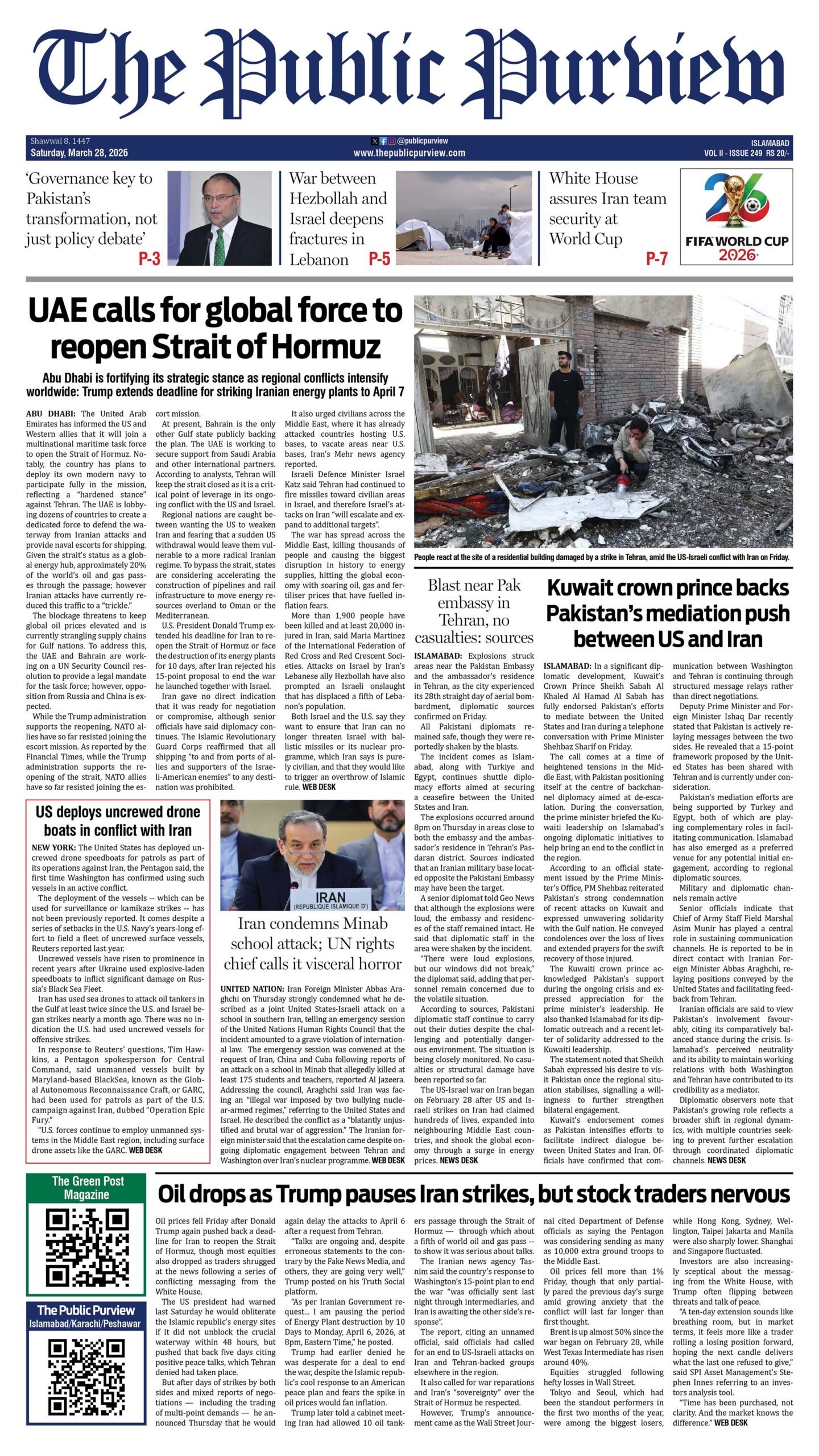 Today's E-Paper