

Washington’s PR teams are working overtime to sell ‘Operation Epic Fury’ as some standard tactical mission. But cut through the noise. Forget the polished Pentagon briefings for a second and just follow the money. The 2026 Middle East conflict isn’t just a war; it’s a brutal, high-stakes overhaul of the global economic map. We aren’t just talking about missiles and disputed borders anymore—this is a massive shift that has effectively burned the old rulebook on how trade, alliances, and modern warfare actually function.
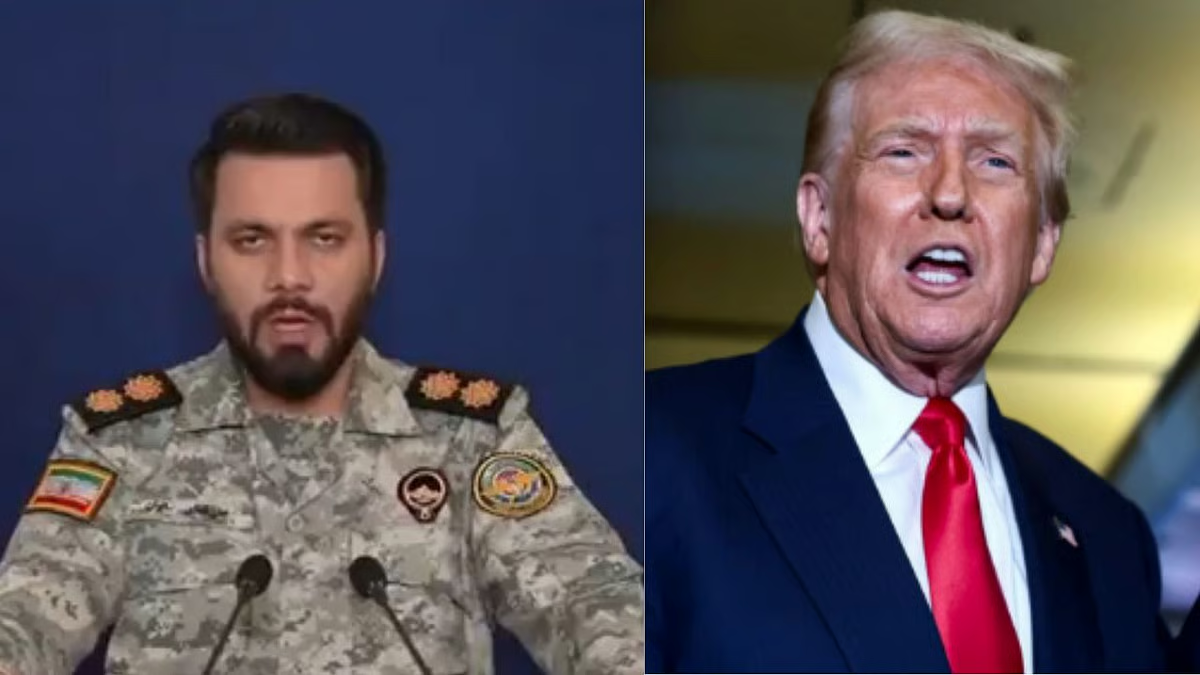
Things went completely off the rails at the tail end of February. No more proxy skirmishes or veiled threats—American and Israeli jets dropped the hammer directly on Iran’s senior generals. The pushback was immediate, and Tehran hit the one nerve guaranteed to cripple global trade. The Revolutionary Guard locked down the Strait of Hormuz. For the world, this was a massive cardiac event. Considering that 20 million barrels of oil and a fifth of the world’s LNG supply are supposed to squeeze through that narrow gap every day, you can see why crude prices didn’t just climb—they blew up, hitting a record $126 a barrel.
But look past the diplomatic theater and the headlines. The real story is that the very powers claiming to be enemies are actually feeding off this crisis. If you strip away the official scripts, the cold, professional reality is staring us in the face: for Washington and Moscow alike, this chaos is a strategic godsend. This war is breathing new life into their domestic economies and keeping their military-industrial machines running at full tilt.
Take Vladimir Putin’s position. Before the Middle East went up in flames, the Russian economy was gasping under a mountain of Western sanctions and the crushing cost of the Ukraine front. Their National Wealth Fund was drying up fast. On the open market, Russian Urals crude was trading at a dismal $40 a barrel—nowhere near the $59 Moscow needs just to keep its federal budget from bleeding out. The Kremlin was already looking at painful cuts to social programs just to keep their tanks in the field.
Then the Hormuz blockade happened. Suddenly, with the world desperate for energy, the price for Russian oil nearly doubled, tearing past the $80 mark.
The irony here is thick enough to cut with a knife. Terrified that global inflation would spiral out of control, the US Treasury was forced to pull the plug on its own policy. Washington had to announce a 30-day “grace period” from secondary sanctions on Russian crude. It was a desperate, back-against-the-wall move to keep the global gears turning, but it gave Putin a massive financial exit ramp. Russia started moving millions of barrels of stranded oil at premium prices. Buyers in India and China, worried about their own pumps going dry, grabbed 30 million barrels almost immediately. In the first few weeks alone, Russia pulled in an extra €6 billion in energy profit—roughly €510 million a day. That cash didn’t just fix the books in Moscow; it gave the Ukraine campaign a fresh, unexpected treasury.
On the other side of the fence, the United States—the very architect of this shift—is watching its own energy and defense titans rake in historic profits. It might sound cynical, but both the US and Russia are finding exactly what they need in this long, drawn-out mess: a way to survive economically while hitting their own geopolitical targets.
Look at the Strategic Petroleum Reserve. Washington and the IEA dumped 172 million barrels into the market, calling it a “rescue mission” to help the little guy at the pump. The truth? The US government offloaded those stockpiles at the highest prices we’ve ever seen, securing a massive financial windfall. Meanwhile, with Qatar’s LNG stuck behind the blockade, American energy firms moved in for the kill. They’ve jacked up exports and margins, essentially turning Europe into a captive market that now lives and dies by American gas. US energy dominance has never been this absolute.
Then you have Wall Street’s heavy hitters. Since ‘Operation Epic Fury’ began, stock charts for defense giants like Lockheed Martin, RTX, Northrop Grumman, Boeing, and General Dynamics have gone vertical. When you’re burning through thousands of million-dollar Tomahawk missiles and interceptors every day, someone has to build the replacements—and that means billions in fast-tracked contracts. When the President brings defense CEOs into the Oval Office and tells them to quadruple their output, you don’t need to be a financial genius to see who wins when the shooting doesn’t stop.
While Gulf giants like Saudi Arabia and the UAE are losing blood because their tankers are pinned down, North Africa is stepping into the light. Egypt is cashing in on logistics, Morocco’s fertilizer exports are hitting record highs because the Gulf supply is cut off, and Algeria is keeping Europe’s lights on. Even Turkey is playing the insecurity to its advantage, pushing its ‘Middle Corridor’ as the only safe path for goods moving between East and West.
Right now, no one at the top has a real reason to call for peace. The ugly truth of 2026 is that corporate margins and the price of a barrel carry way more weight than diplomatic talk or human lives. As long as the Strait stays blocked and the Iran front stays hot, the big players will keep taking their cut. But Washington should be careful—by weaponizing the economy this hard, they’re speeding up global ‘de-dollarization.’ And that’s a debt that will eventually have to be paid.


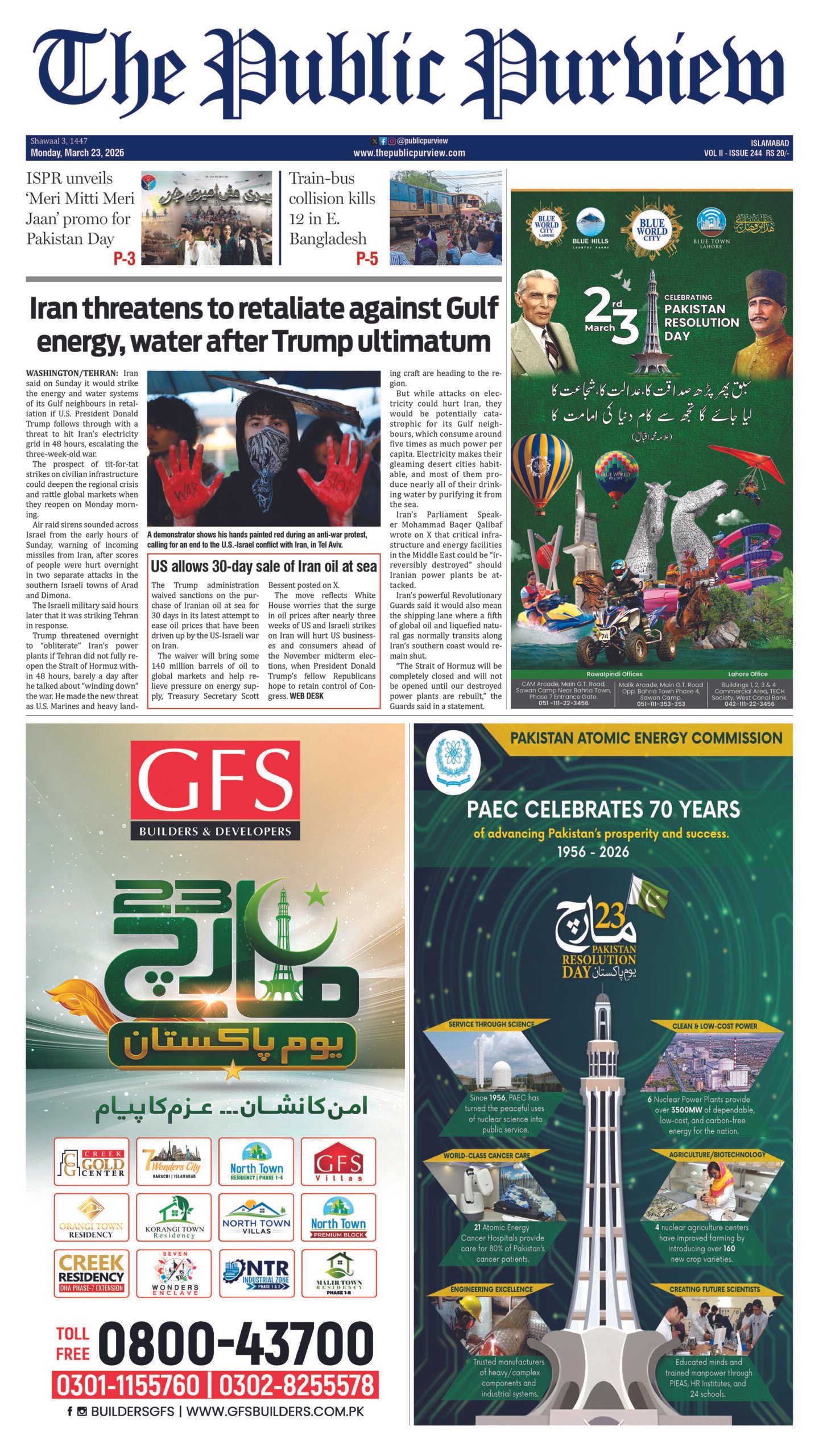 Today's E-Paper