
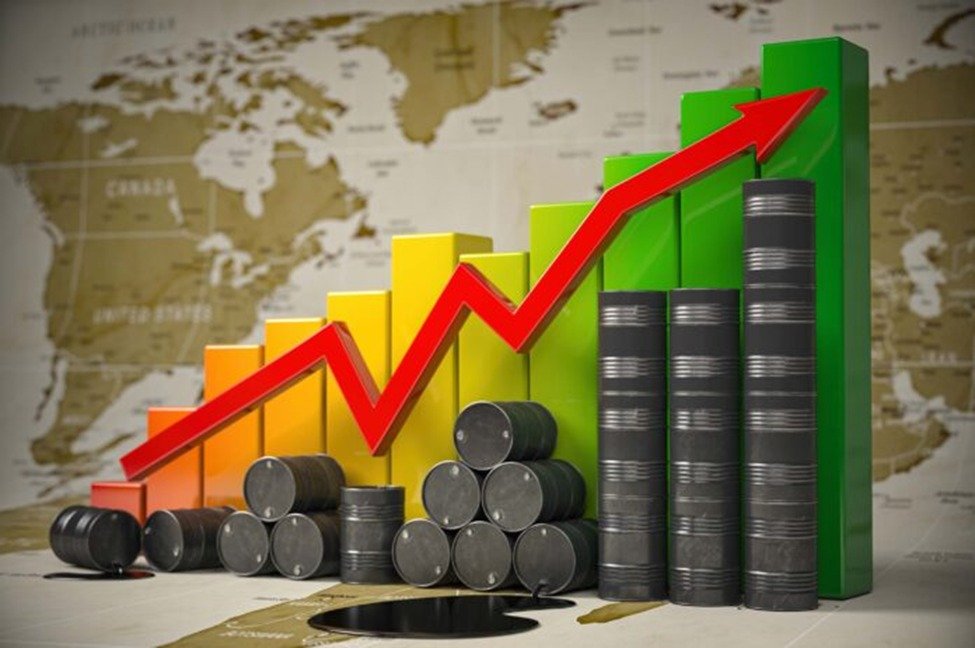
ISLAMABAD: Rising tensions in the Middle East, particularly around the Strait of Hormuz, are increasing shipping charges and war-risk insurance premiums, posing fresh risks to Pakistan’s import costs and inflation outlook.
The situation is significant for Pakistan as a large share of its oil and LNG imports passes through Gulf shipping routes. Analysts say the pressure is no longer limited to global oil prices but now includes higher freight, insurance, and logistics costs, which could strain the country’s external account.
Recent fuel price hikes have added to the concern. The government increased petrol and diesel prices by Rs55 per litre, raising fears of higher transport costs and broader inflationary pressures across the economy.
Rising energy import burden
According to a report by the Pakistan Banks Association, petroleum imports account for nearly one-fifth of Pakistan’s total import bill. Sustained increases in global oil prices could raise the annual petroleum import bill by between $1.4 billion and $4.7 billion.
Also Read: PSX posts record surge of nearly 14,000 points as KSE-100 rallies on US-Iran ceasefire
The report also warns that even partial disruption to regional shipping routes can push up freight rates and insurance premiums, increasing the landed cost of energy imports.
Pakistan’s dependence on imported fuels further heightens the risk. Crude oil meets around 85 percent of domestic consumption, while LNG contributes 35–40 percent of gas supply, much of it sourced from Qatar.
Pressure on external account and financial flows
The impact extends beyond energy imports to financial flows and trade financing. Based on recent trade patterns, Pakistan’s banking sector has an estimated exposure of $9 billion to $22 billion in trade finance at any given time.
Disruptions in shipping routes, along with higher commodity prices and exchange rate volatility, could affect liquidity conditions and trade activity.
Remittances also remain a key vulnerability. During July–January FY26, Pakistan received $23.2 billion in remittances, with more than half coming from Gulf countries. Prolonged instability in the region could affect these inflows.
Inflation risks and economic outlook
Economists describe the situation as a multi-layered shock involving oil prices, freight costs, and insurance premiums. Higher fuel prices are expected to pass through quickly to transport, food, and consumer goods, intensifying inflation.
Analysts say even modest increases in energy and shipping costs could widen the current account deficit and reverse recent stability in prices.
While foreign exchange reserves stood at about $21.4 billion in February 2026, experts caution that prolonged disruption in Gulf shipping routes could still pose significant economic challenges.
The developments highlight Pakistan’s continued reliance on imported energy and the need to strengthen supply chains, diversify energy sources, and improve economic resilience against external shocks.




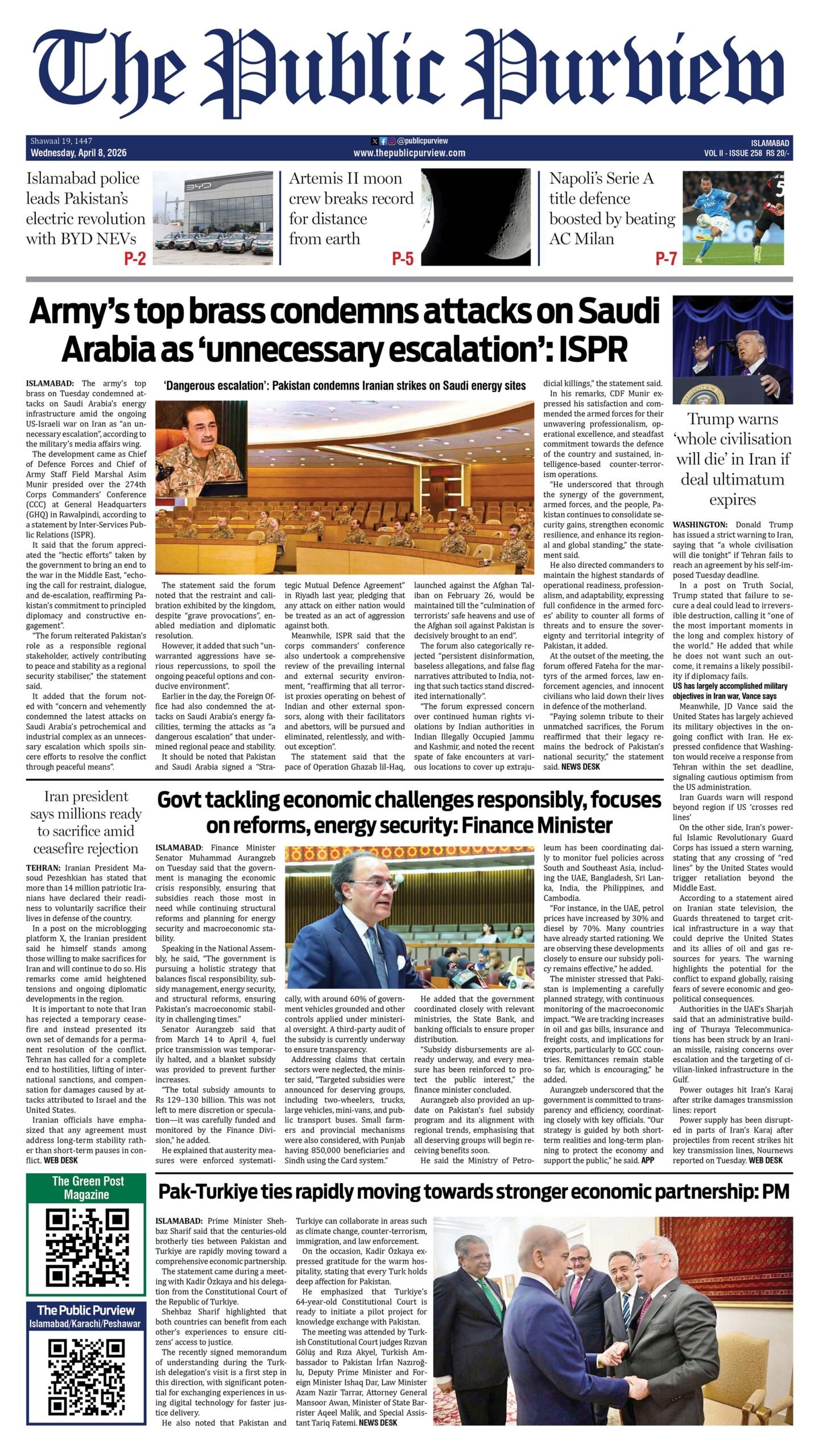 Today's E-Paper