
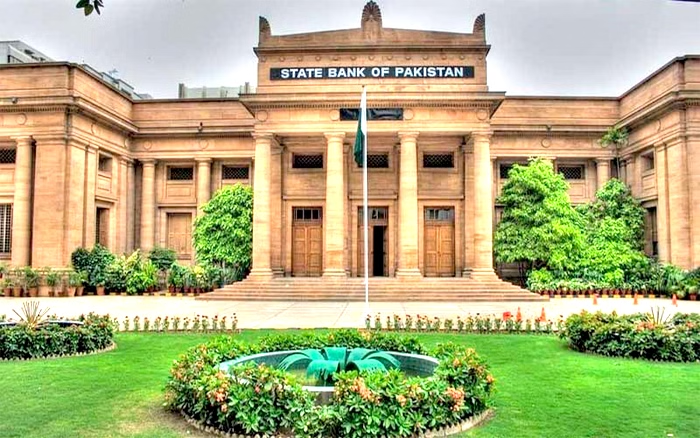
KARACHI, October 26, 2026: The State Bank of Pakistan (SBP) has increased its key policy interest rate by 50 basis points to 12 percent, citing rising inflationary pressures, higher global energy prices and growing economic uncertainties.
The decision, announced following a meeting of the Monetary Policy Committee (MPC) on Monday, raises the benchmark interest rate from 11.5 percent to 12 percent.
Addressing the media, SBP Governor Jameel Ahmad said the central bank had decided to tighten monetary policy after assessing the impact of rising petroleum prices and deteriorating economic conditions.
He disclosed that nine of the MPC’s 10 members voted in favour of the 50-basis-point increase, indicating broad support for the decision.
Rising oil and wheat prices fuel inflation concerns
Governor Ahmad said recent increases in international oil prices had contributed to growing inflationary pressures in Pakistan.
He noted that petroleum prices had remained above $100, increasing the cost of energy and placing additional pressure on the domestic economy.
The governor also pointed to rising wheat prices as another factor contributing to inflation.
According to Ahmad, geopolitical developments have pushed energy prices higher, complicating the country’s inflation outlook.
He said the Monetary Policy Committee reviewed these developments before deciding that an increase in the policy rate was necessary.
Economic outlook worsens since September
The SBP governor acknowledged that economic conditions had deteriorated compared with the central bank’s previous monetary policy meeting in September.
He said expectations for both inflation and the current account deficit had increased, reflecting growing pressure on Pakistan’s economic outlook.
Ahmad also highlighted concerns over export performance, saying the country’s exports remained below the level required, although some improvement had been recorded.
Despite these challenges, the central bank maintained its economic growth projection for the current fiscal year.
According to the governor, Pakistan’s economy is expected to expand by 3.5 to 4.5 percent during the ongoing fiscal year.
What the interest rate increase means
The policy rate is a key tool used by the central bank to influence borrowing costs, consumer spending and inflation.
An increase generally makes borrowing more expensive for businesses and households, potentially slowing credit demand and economic activity.
However, tighter monetary policy is intended to help contain inflation by reducing demand-side pressures and supporting price stability.
The latest decision signals the SBP’s concern over renewed inflation risks, particularly those associated with international energy markets and rising domestic food prices.
The central bank’s future monetary policy decisions will depend on developments in inflation, external accounts and broader economic conditions.