
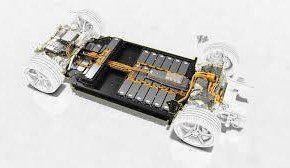
As automotive technology continues to evolve, the systems that power vehicles are also changing, sometimes in ways that challenge long-standing industry standards. Sodium ion batteries are emerging as a potential alternative in this shift, much like how early engines once differed dramatically from today’s designs. As a result, the batteries used in electric vehicles (EVs) may be on the verge of a major transition.
One emerging alternative attracting global attention are the sodium ion batteries, which researchers and manufacturers believe could offer a cheaper and more sustainable option than the lithium-ion batteries currently dominating the EV market.
Limitations of lithium-ion technology
Lithium-ion batteries are widely used because of their efficiency and proven performance. However, concerns remain over their long-term sustainability, supply security, and rising costs. The extraction of lithium and cobalt often involves environmentally damaging mining practices, while dependence on limited global reserves raises concerns about future availability.
These challenges have prompted manufacturers to explore alternatives that reduce reliance on scarce or geopolitically sensitive materials.
Why sodium ion batteries are gaining attention
Sodium ion batteries do not rely on lithium or cobalt, making them significantly more sustainable from a raw-materials perspective. Sodium is abundant and widely available across the world, reducing environmental impact and supply chain risks.
Another cost advantage lies in battery construction. Sodium-ion batteries can use aluminium for electrodes instead of copper, lowering production costs and improving recyclability.
Industry estimates suggest sodium ion batteries could be around 30 percent cheaper than lithium-ion alternatives. Since batteries account for roughly 40 percent of an EV’s total cost, this reduction could substantially lower vehicle prices for consumers.
Performance beyond cost savings
Beyond affordability, sodium ion batteries offer strong performance characteristics. They are considered safer, operate more reliably in cold climates, and are suitable for a wide range of applications beyond cars, including energy storage systems and smaller electric vehicles.
These traits make them attractive not only to automakers but also to companies focused on renewable energy infrastructure.
China’s growing role in development
China has emerged as a key player in advancing sodium ion battery technology. Battery giant CATL, a major supplier to electric vehicle brands such as Xpeng, has been actively developing sodium-based solutions.
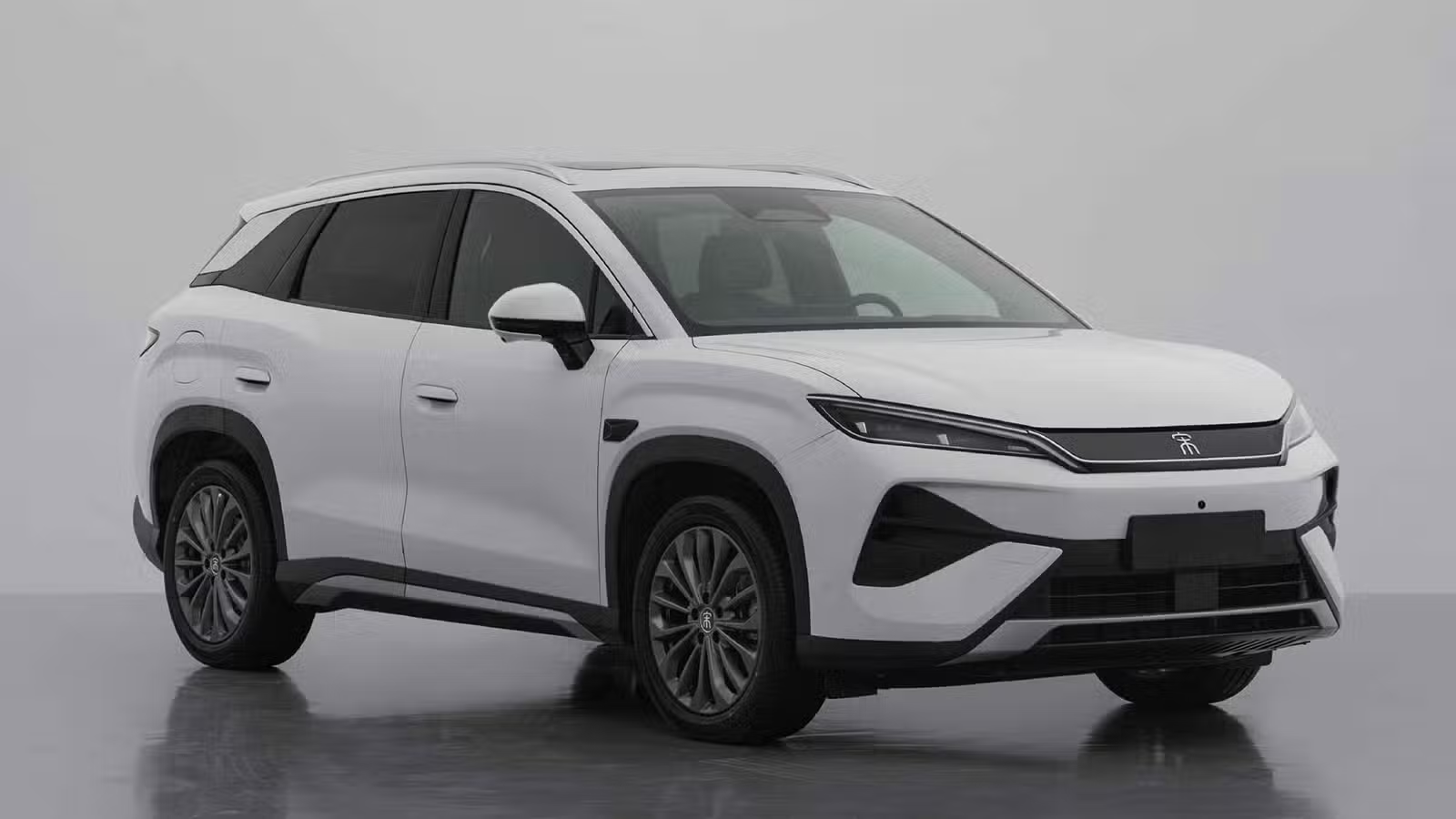
Chinese automaker JAC has also unveiled what it claims is the world’s first production electric car powered by sodium ion batteries. The vehicle, developed using battery cells supplied by Germany-based Farasis Energy, represents a significant step toward commercialization.
First sodium-powered EV enters the market
The model, known as the JMEV EV3 (Youth Edition), is reported to deliver a driving range of about 156 miles. According to the manufacturer, the battery retains more than 90 percent of its capacity even at temperatures as low as minus 20 degrees Celsius.
The company plans to further refine the technology and expand its use across other platforms, including electric motorcycles, micro-cars, bicycles, and stationary energy storage systems.
What this could mean for EV buyers
If sodium ion batteries achieve large-scale adoption, they could lower entry costs for electric vehicles and accelerate the global shift away from internal combustion engines. While lithium-ion technology is likely to remain dominant in the short term, sodium-based alternatives may play a growing role in making EVs more accessible worldwide.
Read related news here: https://thepublicpurview.com/technews/
For more stories and insights, visit The Green Post




 Today's E-Paper