

A final report by the Special Inspector General for Afghanistan Reconstruction (SIGAR) has revealed that the 20-year US-led intervention in Afghanistan was marked by widespread corruption, despite trillions of dollars in spending aimed at rebuilding the country.
According to the report, the United States spent approximately $2.4 trillion during the war in Afghanistan, including $144 billion allocated for reconstruction—an amount exceeding the historic Marshall Plan used to rebuild Europe after World War II. However, the report concludes that the massive investment failed to create sustainable institutions or bring lasting improvements to the lives of ordinary Afghans.
The findings align with Pakistan’s long-standing position that the rushed US withdrawal in 2021 left behind an estimated $7.1 billion worth of military equipment, much of which later fell into the hands of militant groups. Pakistani officials have repeatedly warned that such weapons are now being used by groups including the Tehreek-e-Taliban Pakistan against Pakistan’s security forces.
The SIGAR report also challenges claims about the strength of the Afghan National Army, stating that it was plagued by systemic corruption and thousands of so-called “ghost soldiers.” While the force appeared formidable on paper, the report notes that it collapsed rapidly once foreign support was withdrawn.
Widespread misuse of funds was documented across multiple sectors, including fuel procurement, logistics, and public welfare projects. As a result, large portions of international aid never reached Afghan citizens and instead benefited corrupt networks and political elites.
The report further highlights policy failures by the United States, pointing to contradictions between the Bonn Agreement, which excluded the Taliban, and later negotiations in Doha that sidelined the Afghan government. Analysts say these decisions weakened state institutions and contributed to long-term instability in the region.
SIGAR has also warned that ongoing humanitarian assistance to Afghanistan continues to face serious transparency challenges, raising concerns that aid may again be diverted away from vulnerable populations.
The report concludes that without accountability, oversight, and coherent political strategy, large-scale international interventions risk repeating the same failures seen in Afghanistan.
Also read: The Power Struggle in Afghanistan and India’s Expanding Role




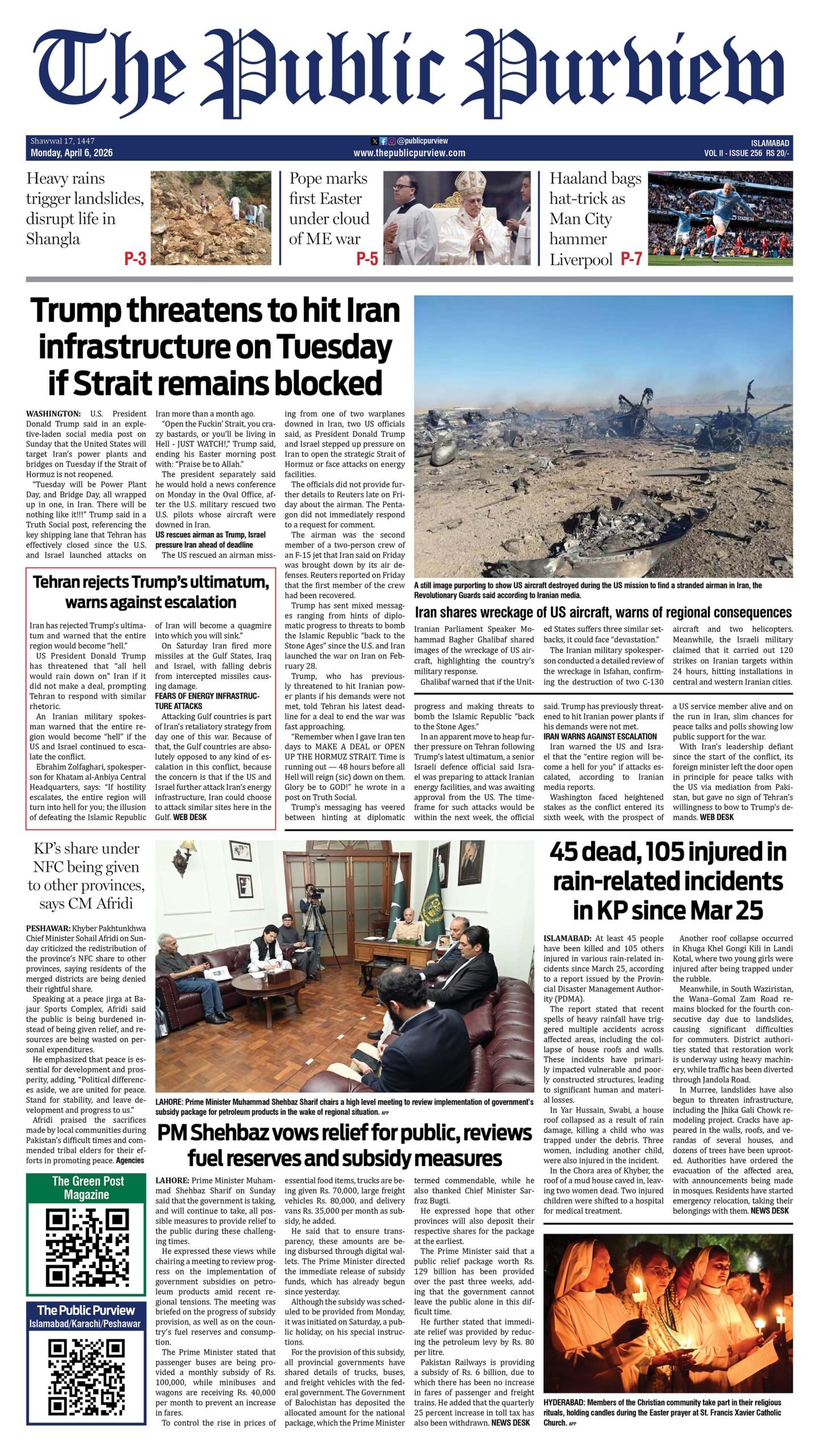 Today's E-Paper