

The government’s proposal to introduce a mobile app-based fuel quota system for low-income users of two- and three-wheelers represents a significant step toward protecting vulnerable citizens from the relentless surge in global oil prices. By linking subsidies to verified income brackets and delivering entitlements through digital vouchers, this initiative promises efficiency, transparency, and fairness. It is a departure from the traditional model of blanket subsidies, which often end up benefitting wealthier households who consume far more fuel than those struggling to make ends meet.
Fuel subsidies, when applied indiscriminately, drain the national exchequer and undermine social equity. The majority of Pakistan’s working class relies on motorcycles, rickshaws, and other small vehicles for daily mobility, yet they receive little relief under broad subsidy schemes. By targeting assistance specifically to these groups, the government can ensure that scarce resources reach those who need them most, while avoiding the costly populism of subsidising the affluent.
This approach also reflects a broader principle of governance: that public money must serve the maximum social good. Every rupee spent inefficiently on subsidies is a rupee diverted from essential services such as healthcare, education, and infrastructure. In times of economic stress, fiscal discipline becomes not only prudent but a national obligation. Targeted relief demonstrates that state resources are allocated on the basis of need rather than privilege, reinforcing the idea of fairness at the heart of public policy.
The urgency of reform is heightened by global energy volatility. The ongoing stalemate between the United States and Iran has kept oil markets on edge, while attacks on Gulf infrastructure and uncertainty around the Strait of Hormuz continue to disrupt supply chains. Benchmark crude prices fluctuate daily, driven by speculation and geopolitical tension. For Pakistan, these shocks translate directly into fiscal strain. In just two weeks, the government has spent nearly Rs70 billion to keep petrol and diesel prices stable, forcing a Rs100 billion cut in the development budget. Such measures are unsustainable, especially when austerity directives have already reduced discretionary spending and energy consumption.
Domestic policy cannot remain insulated from global realities. The cost of maintaining broad fuel subsidies is immense, and the burden ultimately falls on both public finances and ordinary consumers. By adopting a targeted system, Pakistan can shield its poorest citizens from price shocks while preserving fiscal space for development priorities. This is not merely a technical solution but a test of governance and social responsibility.
Policymakers must resist populist pressure to extend indiscriminate subsidies. Instead, they should embrace reforms that protect the poor, promote equity, and safeguard the state’s ability to meet broader developmental needs. The proposed mobile app system, with its real-time tracking and automated validation, offers a practical path forward. If implemented with transparency and accountability, it can become a model of how technology and policy can combine to deliver relief where it is most needed.
In the end, the challenge is clear: Pakistan must balance compassion with discipline. Only by ensuring that relief reaches those who truly deserve it can the country maintain both fiscal stability and social justice in these turbulent times.

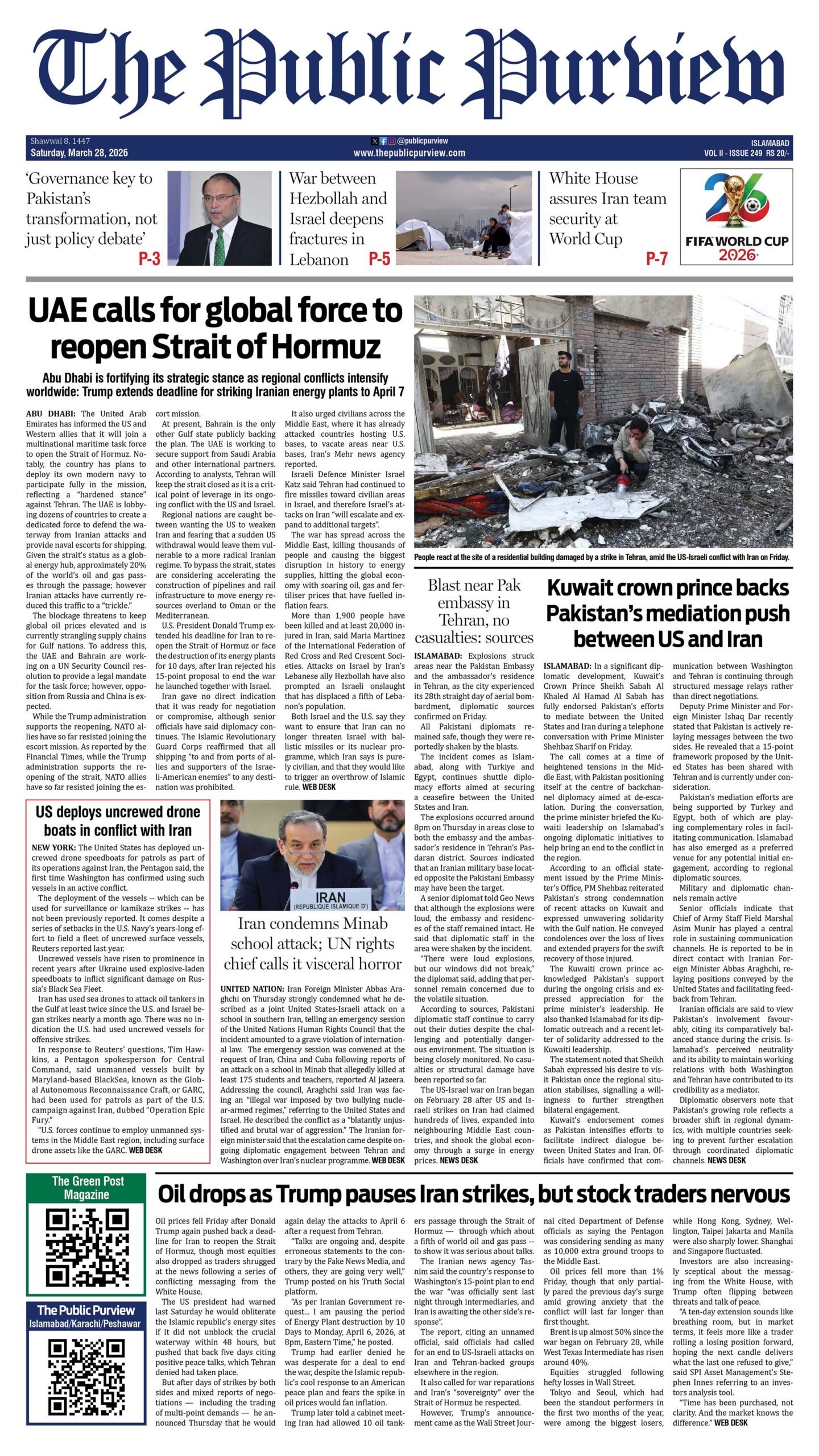 Today's E-Paper