
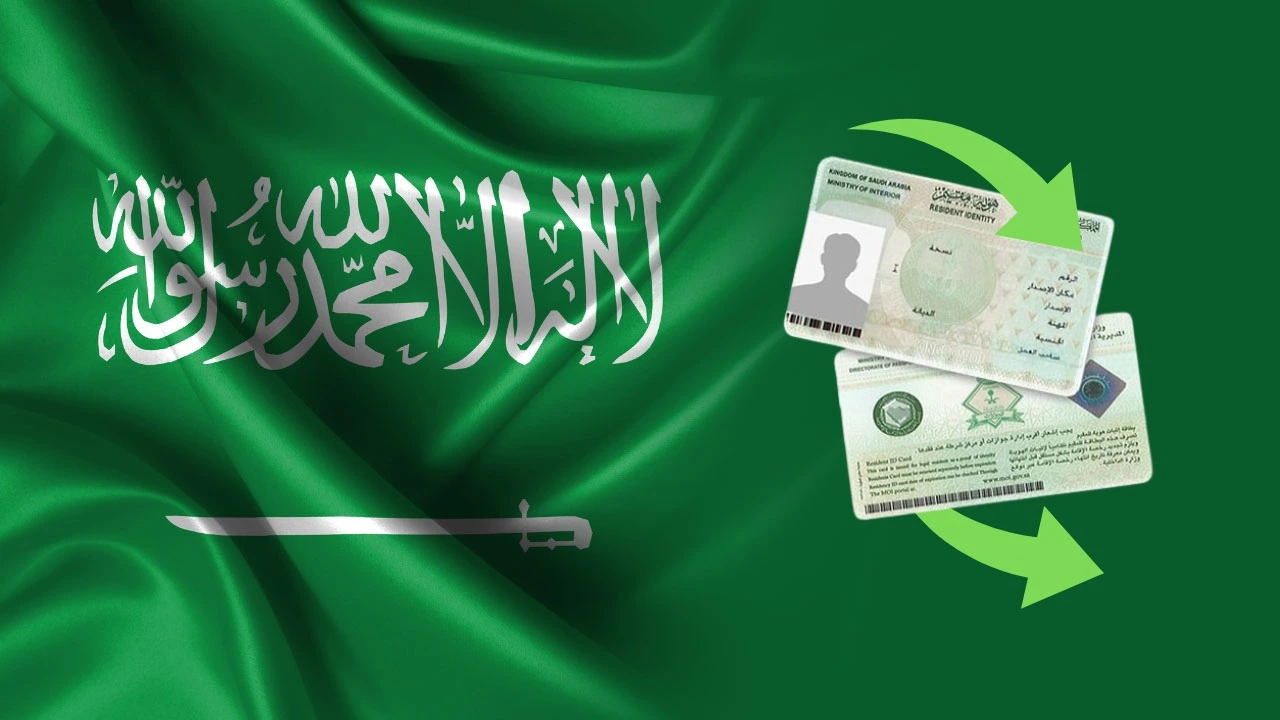
Saudi Arabia has announced a major policy move to exempt licensed industrial establishments from paying the iqama fee for foreign workers, a decision that could significantly benefit Pakistani jobseekers as the Kingdom expands its industrial sector under Vision 2030.
Understanding the iqama fee and what has changed
The iqama fee, also known as the expatriate levy, is an annual charge employers must pay for hiring foreign workers. Over time, rising costs made recruitment more expensive, particularly in labor-intensive industries.
By removing this fee for licensed industrial units, Saudi authorities aim to reduce production costs and attract skilled foreign workers to support manufacturing growth.
Decision approved at the highest level
The exemption was approved by the Saudi Council of Ministers in a meeting chaired by Crown Prince and Prime Minister Mohammed bin Salman, following recommendations from the Council of Economic and Development Affairs.
Saudi officials have clarified that the relief applies only to licensed industrial establishments, while other sectors will continue to follow existing expatriate levy rules.
Why the policy matters for Pakistan
Saudi Arabia is the largest overseas employment destination for Pakistani workers, making this policy especially relevant for Pakistan’s labor market.
Between 2020 and 2024, around 1.88 million Pakistanis moved to Saudi Arabia, marking a significant increase compared to previous years. Remittances from Saudi Arabia consistently remain Pakistan’s top source of foreign inflows, supporting household incomes and foreign exchange reserves.
With industrial employers facing lower hiring costs, demand for Pakistani workers is expected to rise, particularly for those with technical and vocational skills.
Industrial jobs likely to attract Pakistani workers
Pakistani expatriates have traditionally worked in construction, services, and hospitality in the Kingdom. However, the iqama fee exemption may expand opportunities in areas such as:
-
Manufacturing and factory operations
-
Mechanical and electrical engineering
-
Technical maintenance and automation
-
Skilled production and assembly roles
These roles align with Saudi Arabia’s shift toward value-added industrial production.
Benefits for Pakistani workers abroad
Although the iqama fee is paid by employers, Pakistani workers benefit indirectly through increased job openings and improved employment stability. Lower employment costs may also reduce pressure on employers to limit foreign hiring or terminate contracts.
For many Pakistanis, industrial employment offers longer-term prospects compared to seasonal or project-based work.
Impact on employers and the Saudi economy
For Saudi businesses, the policy lowers operational expenses and improves global competitiveness. Economists believe it will accelerate industrial expansion while supporting Saudi Arabia’s goal of economic diversification beyond oil.
For Pakistan, higher overseas employment translates into stronger remittance flows and reduced domestic unemployment pressures.
What workers should keep in mind
-
The iqama fee exemption applies only to licensed industrial firms
-
Other sectors remain subject to existing expatriate levies
-
Final implementation depends on detailed ministry guidelines
-
Pakistani workers should verify job offers through licensed recruiters and official channels
Outlook for 2025 and beyond
Saudi Arabia’s decision to waive the iqama fee for industrial employers signals a growing reliance on skilled foreign labor. For Pakistan, the policy presents an opportunity to strengthen labor exports, particularly in technical and industrial fields, as bilateral cooperation continues to expand.
Read related news here: https://thepublicpurview.com/tourismnews/
For more stories and insights, visit The Green Post
Input from Geo News


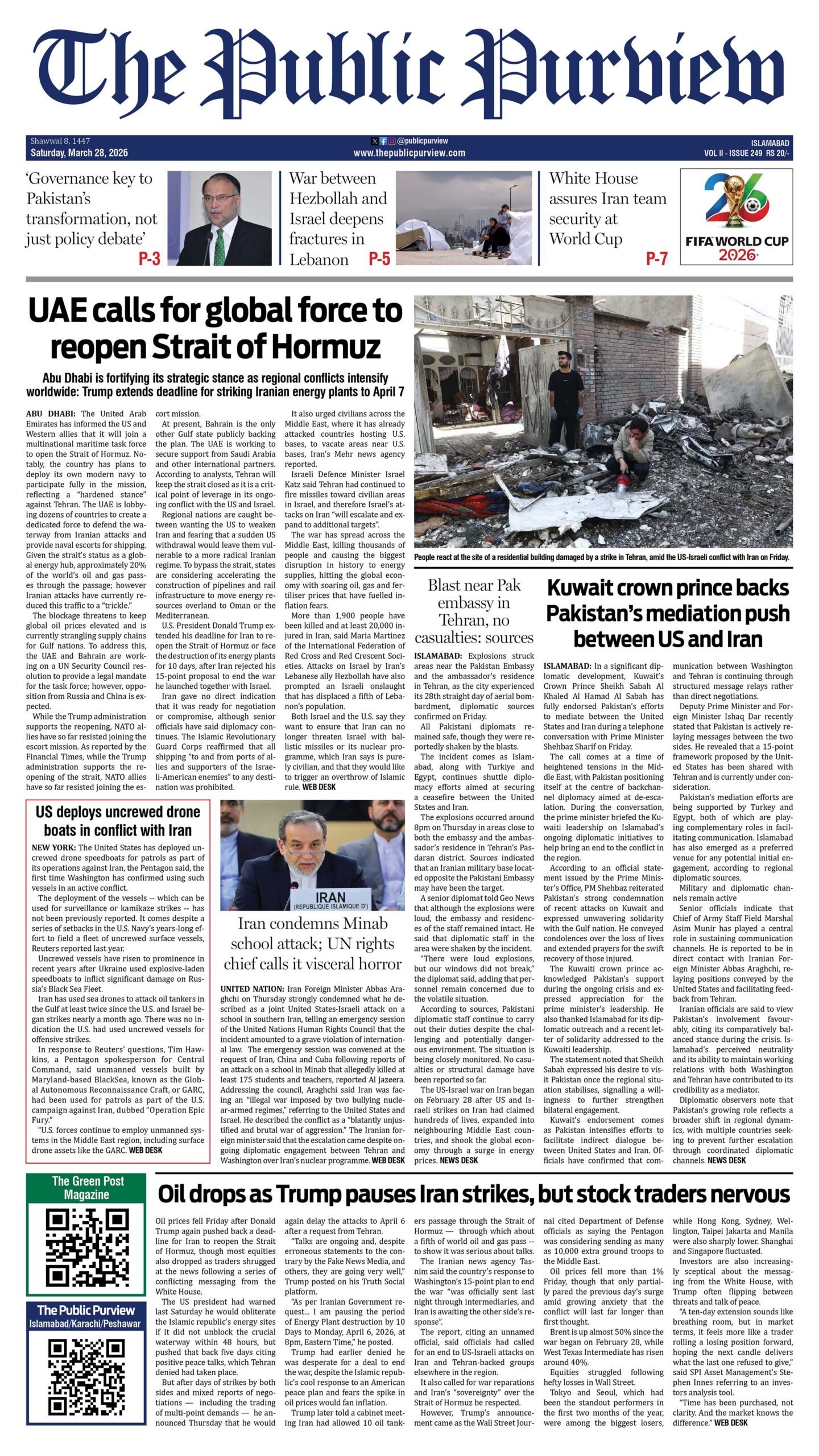 Today's E-Paper