
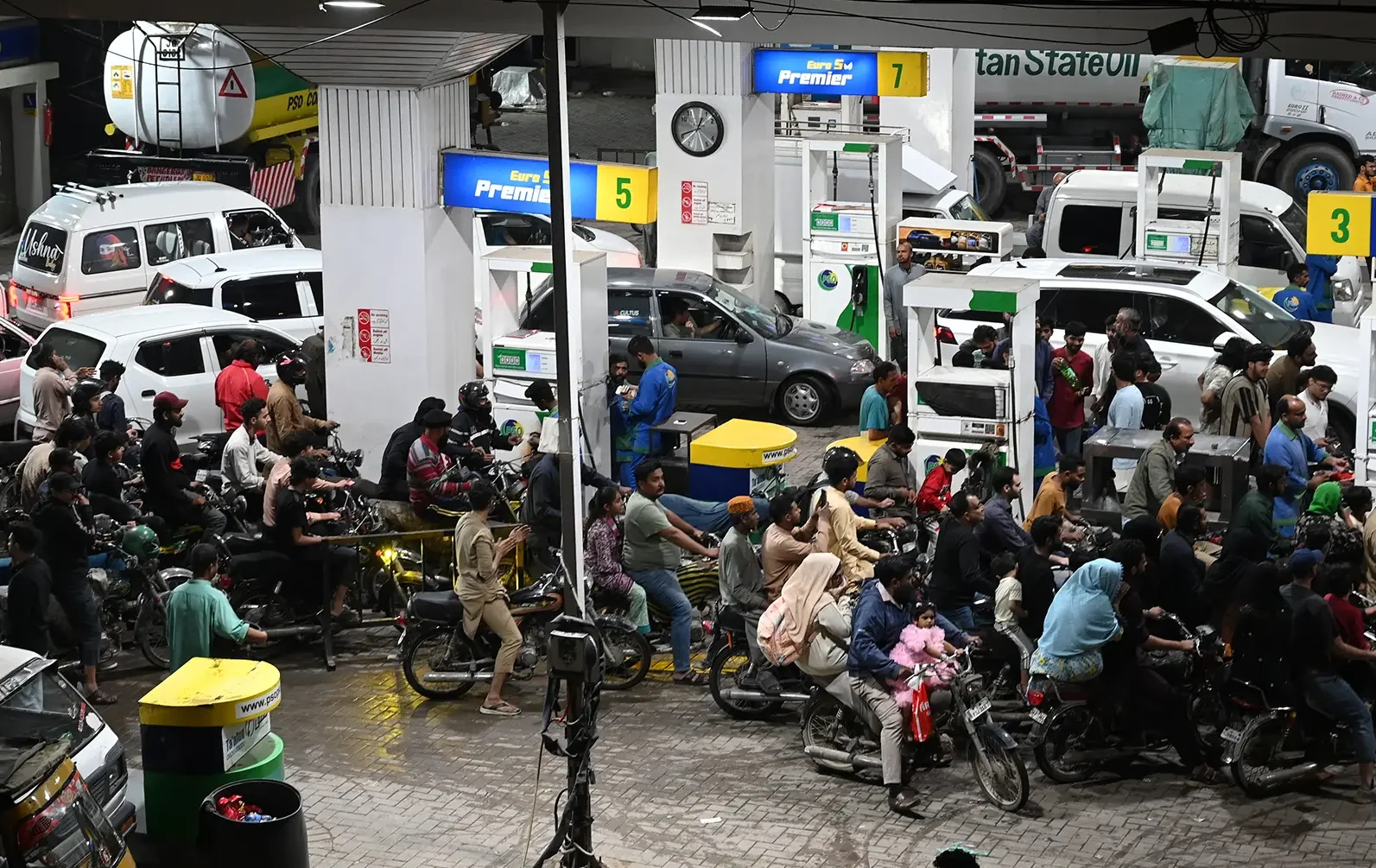
ISLAMABAD: The increase in petrol price to Rs458.4 per litre and high-speed diesel to Rs520.35 is expected to push up transport fares, food prices and overall daily expenses across Pakistan, affecting commuters, households and small businesses.
The revised fuel prices, effective from Friday, were announced by Petroleum Minister Ali Pervaiz Malik alongside Finance Minister Muhammad Aurangzeb, citing rising global oil costs linked to ongoing geopolitical tensions.
Transport fares likely to adjust quickly
Petrol prices directly influence private transport and ride-hailing costs, while diesel is the backbone of public transport and goods movement. With diesel now above Rs520 per litre, fare revisions are likely as transporters adjust to higher operating costs.
For daily commuters, even small fare increases can significantly raise monthly travel expenses, particularly in urban centres where transport is a routine necessity.
Food prices may follow within days
Diesel plays a central role in transporting agricultural produce and essential goods from farms to markets. Higher fuel costs typically increase freight charges, which are then reflected in retail prices.
Market trends show that changes in fuel prices often translate into higher prices for vegetables, flour and other staples within a short period.
Wider pressure on household budgets
The combined effect of higher transport and food costs can reduce purchasing power, especially for middle- and lower-income households.
Also read: Pakistan tells IMF it will pass fuel price increases to consumers as inflation pressures build
Small businesses reliant on delivery services, logistics or fuel-based operations may also face rising costs, which can influence pricing decisions and consumer spending.
Targeted relief measures announced
The government has introduced targeted subsidies, including Rs100 per litre support for two-wheelers, capped at 20 litres per month for three months. Support has also been announced for farmers and transport sectors to help stabilise fares and supply chains.
Officials say the shift from broad subsidies to targeted assistance is aimed at protecting vulnerable segments while managing fiscal constraints.



 Today's E-Paper