
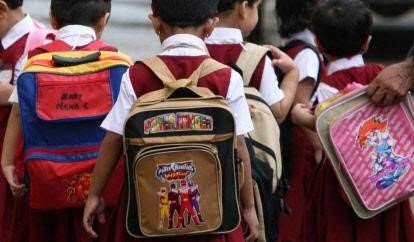
LAHORE — The start of the 2026 academic year in Punjab has renewed concerns among parents over private schools continuing to sell textbooks and uniforms despite a ban imposed by education authorities and court directives.
Parents in several cities say some private schools are still asking families to purchase complete sets of books and uniforms directly from school premises or designated vendors. According to parents, the items are often priced significantly higher than those available in local markets, increasing financial pressure on households already facing rising living costs.
The issue persists despite earlier instructions issued by the Punjab School Education Department (SED) and a 2019 ruling by the Lahore High Court (LHC). The court directed private schools to stop selling books and uniforms on their campuses after receiving complaints from parents about compulsory purchases.
Following the court order, the School Education Department issued notifications to private institutions across Punjab, instructing them not to sell educational materials or uniforms to students.
Officials had clarified that schools may recommend textbooks and provide guidance on uniform design, but they cannot force parents to buy these items from specific vendors or school-managed counters.
However, parents from Lahore, Faisalabad, Multan and Rawalpindi say the practice continues in several institutions. Some schools reportedly offer pre-packaged sets of textbooks that are available only through school counters or selected suppliers.
Parents say they are often told that purchasing the official package ensures students receive the correct course material, leaving families with limited options.
Similar arrangements are also reported for uniforms. In some cases, parents claim that books available in the open market for around Rs5,000 are being sold for nearly Rs20,000 through school-linked suppliers.
Education officials have previously said that enforcing the ban is intended to reduce financial pressure on parents and ensure fair access to educational materials.

 Today's E-Paper