
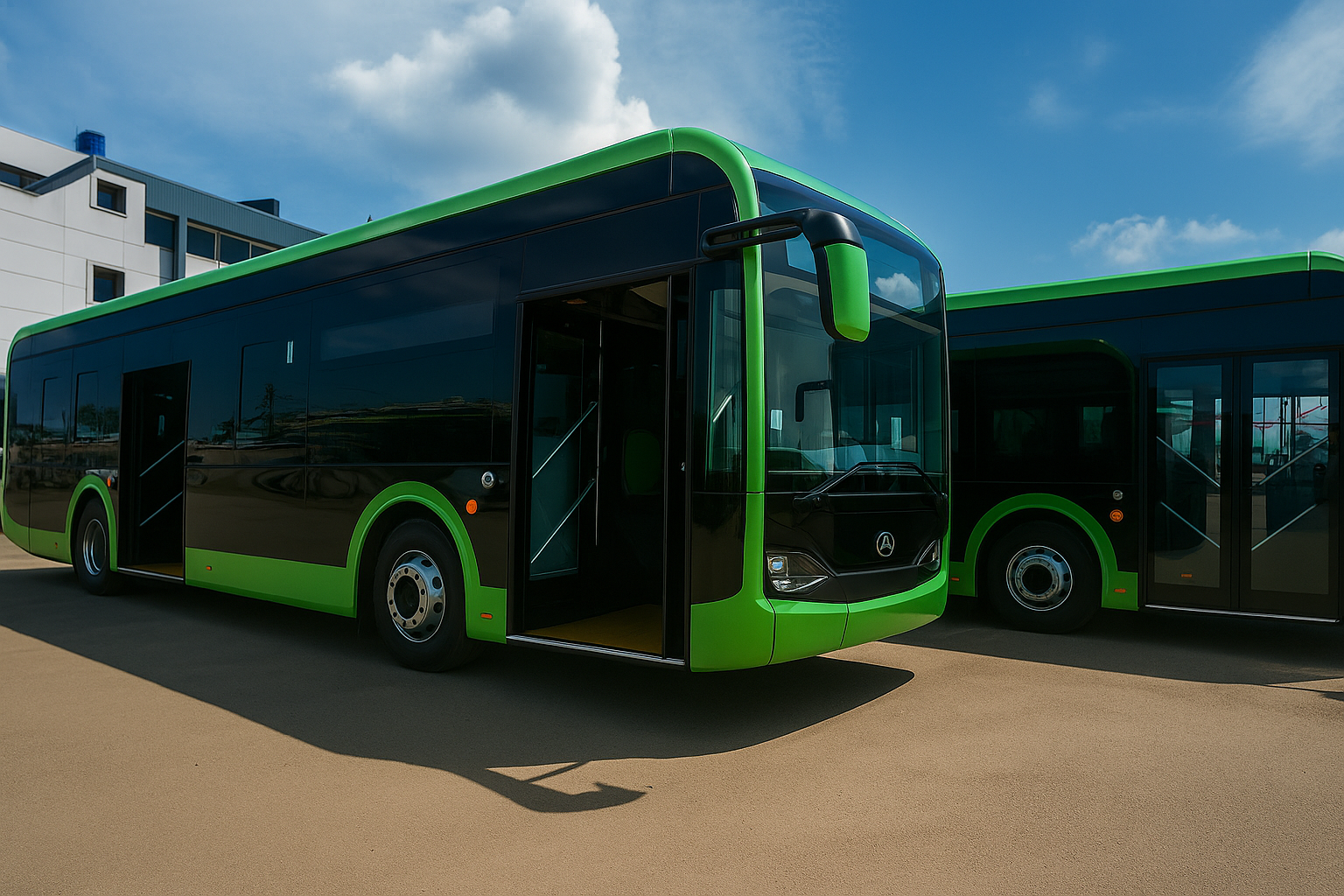
Lahore: In a move welcomed by commuters, the Punjab government has decided not to increase ticket prices for electric buses operating in major cities in 2025, despite rising energy and operational costs. The decision, taken under the leadership of Chief Minister Maryam Nawaz Sharif, applies to electric bus services in Lahore, Rawalpindi and Multan and is aimed at keeping public transport affordable for daily users.
Cabinet rejects fare increase proposal
The decision was made during the 30th provincial cabinet meeting, where a proposal to revise fares for the electric bus network was presented and unanimously rejected. Officials said the government was determined to protect commuters, particularly students, workers and low-income families, from additional financial pressure.
Punjab’s Chief Minister Maryam Nawaz Sharif told the meeting that the electric bus programme was launched to ease mobility, not to add to people’s expenses, and stressed that public relief would remain central to the government’s transport policy.
Affordable transport and environmental goals
Punjab’s electric bus network is a key component of the province’s push for cleaner and more sustainable urban transport. The zero-emission buses are designed to reduce air pollution, cut fuel dependence and encourage residents to shift from private vehicles to public transport.
By keeping fares unchanged, the government hopes to sustain ridership and reinforce the environmental benefits of the project at a time when cities are struggling with smog and deteriorating air quality.
City-wise impact of the electric bus service
Lahore was the first city to roll out the electric bus fleet, with routes connecting universities, commercial centres and office districts. Officials say the service has helped reduce congestion on key corridors.
In Rawalpindi, electric buses have been integrated with existing metro and ring road routes, improving connectivity for daily commuters.
Multan’s network has focused on student and worker mobility, with passengers reporting improved reliability and lower travel costs compared to other modes of transport.
Transport department advice set aside
Sources familiar with the discussions said the Transport Department had suggested a limited fare adjustment to offset higher maintenance and energy costs. The proposal, however, did not gain support, with the cabinet opting to absorb the financial impact rather than pass it on to passengers.
Broader clean transport vision for 2025
The electric bus programme falls under the provincial government’s wider “Clean Punjab, Green Punjab” agenda. Planned measures include the introduction of smart ticketing, expansion of charging infrastructure, encouragement of local assembly of electric buses and long-term maintenance partnerships with the private sector.
Officials say the integrated approach is intended to modernise urban mobility while supporting Pakistan’s climate commitments.
Other key decisions from the cabinet meeting
Alongside transport policy, the cabinet approved the recruitment of School Teacher Interns to address staffing shortages in public schools and endorsed a new ordinance aimed at protecting legitimate property owners from illegal encroachment.
The government also announced a 60 percent subsidy on modern agricultural machinery under the Chief Minister’s High-Tech Farm Mechanisation Programme to improve productivity and reduce costs for farmers.
Public and expert reaction
Commuters across Lahore and other cities expressed relief over the decision by Punjab government, noting that transport costs in other sectors have risen sharply. Environmental experts described the move as consistent with global clean transport trends, while economists said it reflected a balanced approach between fiscal pressures and public welfare.
Read related news here: https://thepublicpurview.com/category/pakistan-news/
For more stories and insights, visit The Green Post



 Today's E-Paper