
Hair loss is a common concern for many people, leading them to try everything from expensive salon treatments to home remedies. While no single food can guarantee hair growth, a balanced diet containing essential nutrients can support overall hair and scalp health.
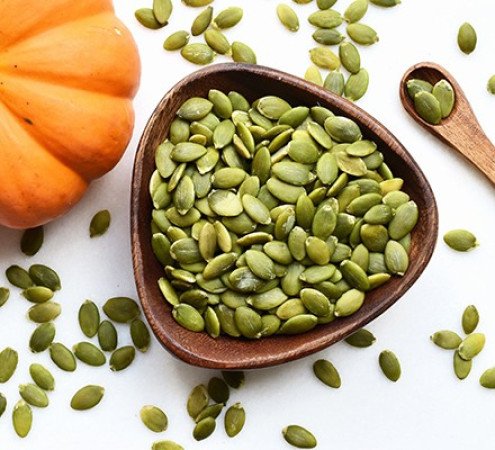
Pumpkin seeds are among the nutrient-rich foods that may contribute to healthy hair. They contain a range of vitamins and minerals, including magnesium, phosphorus, iron and copper, as well as healthy fats and antioxidant compounds.
May help strengthen hair
Pumpkin seeds contain omega-3 fatty acids and other nutrients that may support healthy hair structure. Including nutrient-rich foods in the diet can help maintain the strength and elasticity of hair as part of an overall balanced diet.
Possible role in hair loss
Some compounds found in pumpkin seeds have been studied for their potential relationship with dihydrotestosterone (DHT), a hormone associated with certain types of hair loss.
Research has explored pumpkin seed oil in relation to hair growth, particularly in people experiencing androgenetic alopecia. However, pumpkin seeds should not be considered a proven treatment for hair loss, and more research is needed to establish their effectiveness.
Scalp health also matters
Healthy hair growth is closely linked to the condition of the scalp. Pumpkin seeds contain antioxidants and nutrients such as vitamin E, which may contribute to overall nutritional support for skin and scalp health.
A healthy diet that provides adequate protein, vitamins, minerals and essential fatty acids can be an important part of maintaining normal hair growth.
How to add pumpkin seeds to your diet
Pumpkin seeds can easily be incorporated into everyday meals. They can be eaten as a snack or added to breakfast, salads, cereals and other dishes.
As with any food, moderation is important. Pumpkin seeds are nutrient-dense and relatively high in calories, so they are best consumed as part of a balanced diet.
What about pumpkin seed oil?
Pumpkin seed oil is also used in hair-care routines and has attracted attention because of research into its potential effects on hair growth. However, evidence is still limited, and it should not be viewed as a replacement for medically established treatments.
Anyone experiencing persistent, sudden or significant hair loss should consult a dermatologist. Hair loss can have many causes, including nutritional deficiencies, hormonal changes, genetics, stress and underlying medical conditions.
Also Read : Nationwide Hepatitis C Screening Announced