
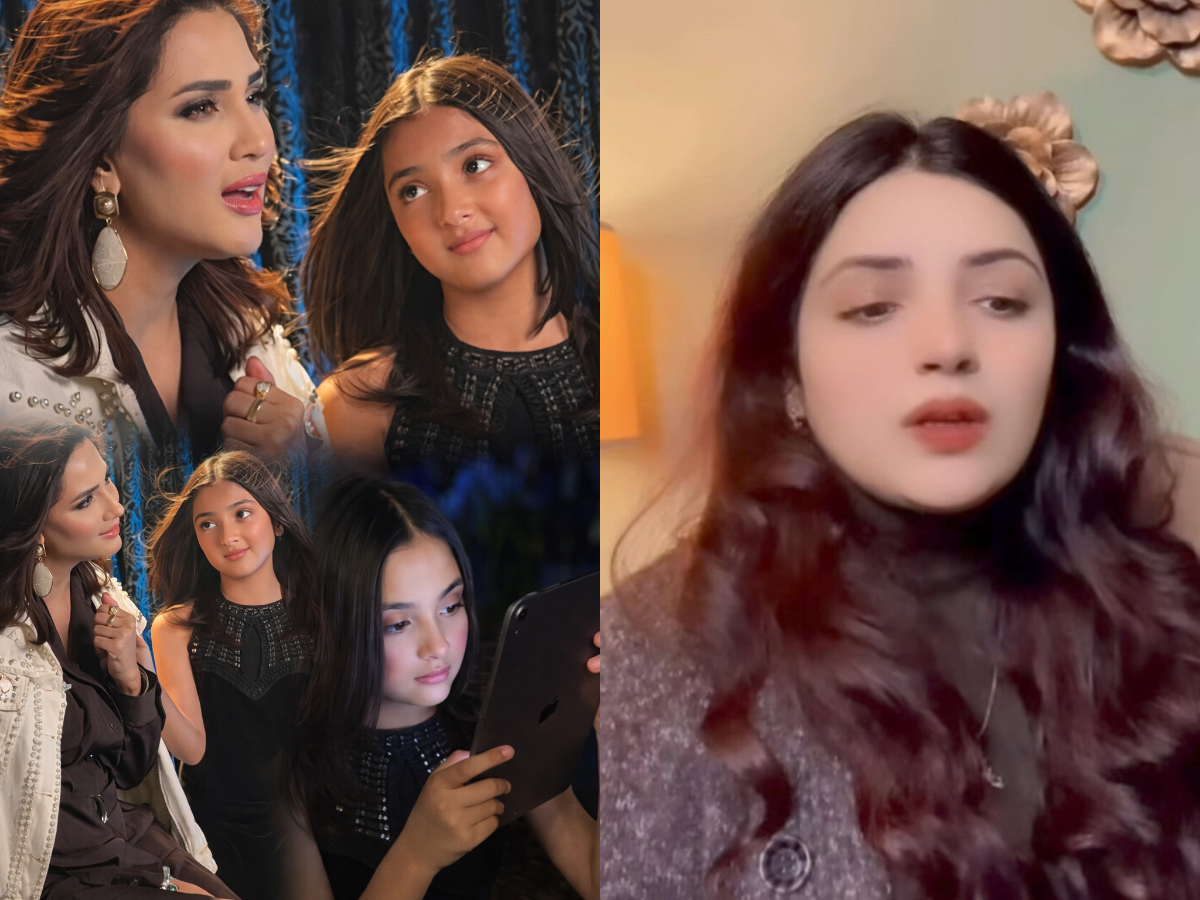
KARACHI: A social media debate has erupted after a renowned Pakistani clinical psychologist publicly criticised television host and actor Fiza Ali over what she described as the alleged exploitation of her daughter for online content.
Fiza Ali, who rose to fame through the hit PTV drama Mehndi, has remained a prominent figure on Pakistani television for years. She has appeared in several popular dramas, including Love, Life Aur Lahore, Moum, Saath Nibana Hai, Saat Sur Rishton Ke, Chunri, Lagan and Ghaao. In recent years, she has also built a strong digital presence, boasting over 5.6 million followers on TikTok and 1.3 million followers on Instagram. She currently hosts the morning programme Morning with Fiza.
Also Read: Maryam Nawaz’s Luxury Bag Sparks Debate at Son’s Wedding
Fiza Ali was previously married to Fawad Farooq, and the couple share a teenage daughter, Faraal, who frequently appears in her mother’s digital content.
The controversy began after Pakistani clinical psychologist and influencer Mahin Anwari shared a strongly worded post on Instagram, expressing concern over parents using their children to gain views on social media.
“I’m speaking out with immense frustration. Parents, particularly mothers, why are you using your innocent daughters for views? It’s disturbing,” Anwari wrote. Referring indirectly to Fiza Ali, she added, “A 15-year-old girl I spoke to is struggling due to her mother’s actions. Don’t exploit your child’s innocence for social media. Think about the psychological damage you’re causing.”
The post quickly gained traction, prompting mixed reactions from social media users. Many praised the psychologist for raising awareness about child psychology and responsible parenting in the digital age, while criticising what they termed as insensitive behaviour by celebrities seeking online engagement.
However, others defended Fiza Ali, arguing that as a mother she understands what is best for her child and warning that public criticism of celebrities often leads to backlash.
The incident has once again sparked a wider conversation in Pakistan about parenting boundaries, children’s consent, and mental health risks associated with social media exposure, particularly when minors are involved.




 Today's E-Paper